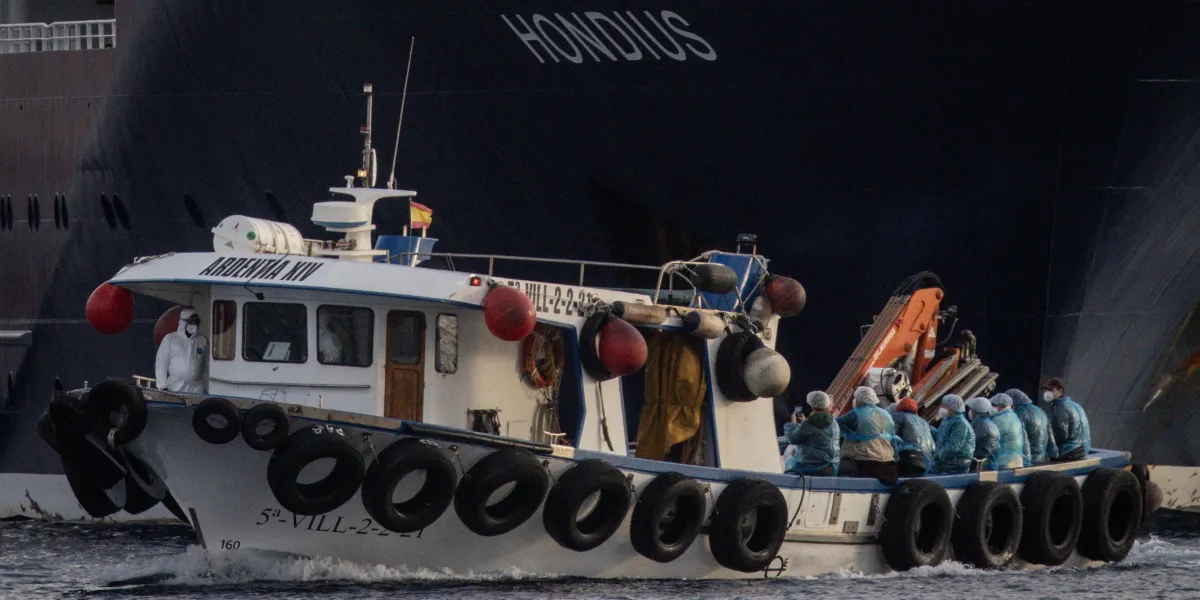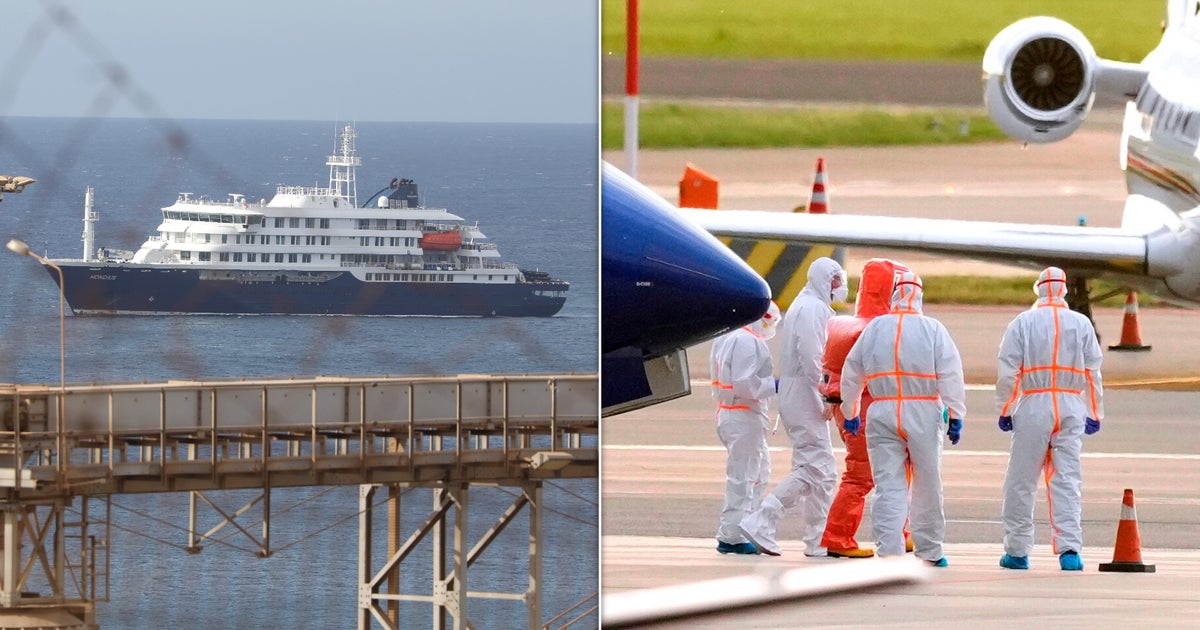
Even as hantavirus cases on a cruise ship continue to cause concern, about one-fourth of states are not fully prepared to manage a public health emergency if one should come their way, a report found.
"The nation faced the most severe flu season in nearly a decade, the highest annual measles case count since 1991, and devastating weather-related emergencies, even as federal public health funding, staffing, and operational support were destabilized," J. Nadine Gracia, MD, president and CEO of the Trust for America's Health (TFAH), which sponsored the report, said in a press release. "These challenges make clear that emergency preparedness cannot rely on a patchwork of limited and unpredictable resources. Effective readiness requires strong federal leadership, stable investment, and coordinated action across states and communities, especially as the United States prepares to host matches during the 2026 World Cup."
The 112-page annual report examined how prepared states are to safeguard residents during health emergencies. Factors considered in the analysis included healthcare workforce mobility, public health and emergency management accreditation, state public health funding, water system safety, paid sick leave access, vaccination coverage, hospital patient safety, laboratory surge capacity, and avoidable mortality.