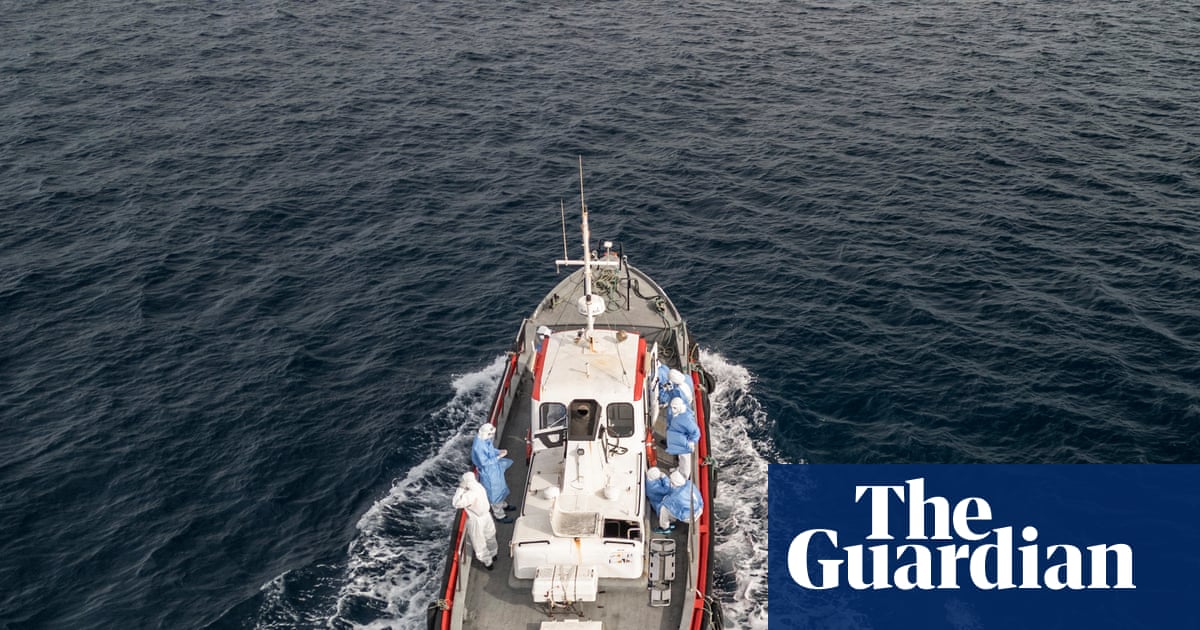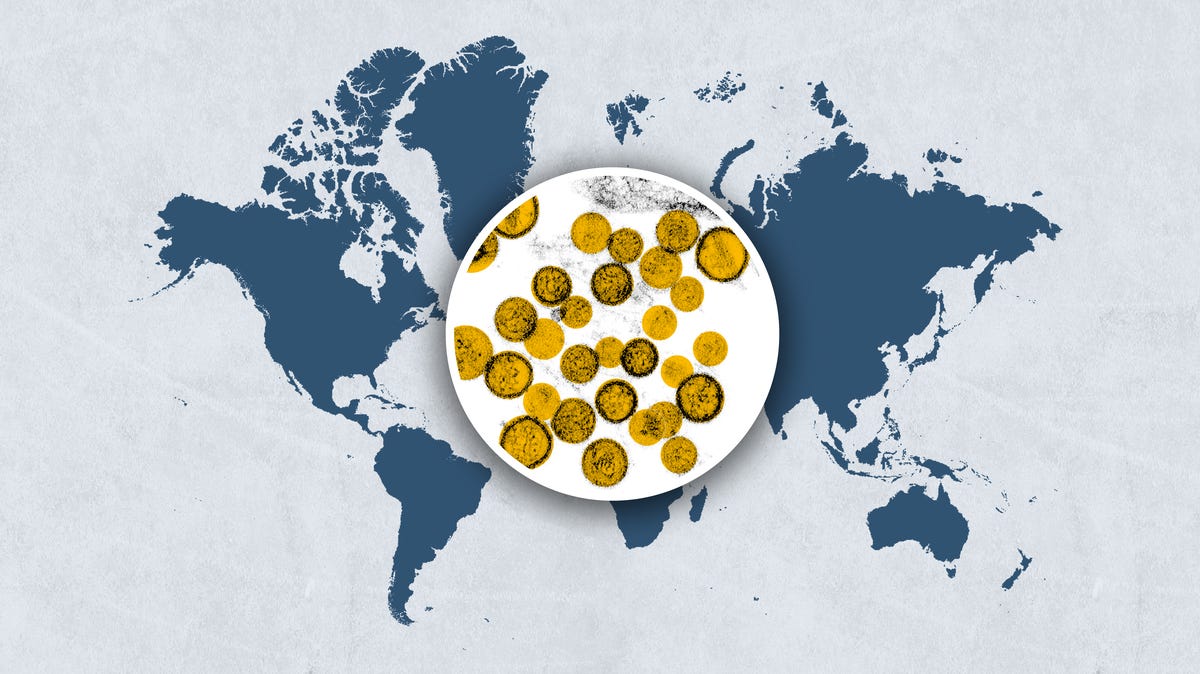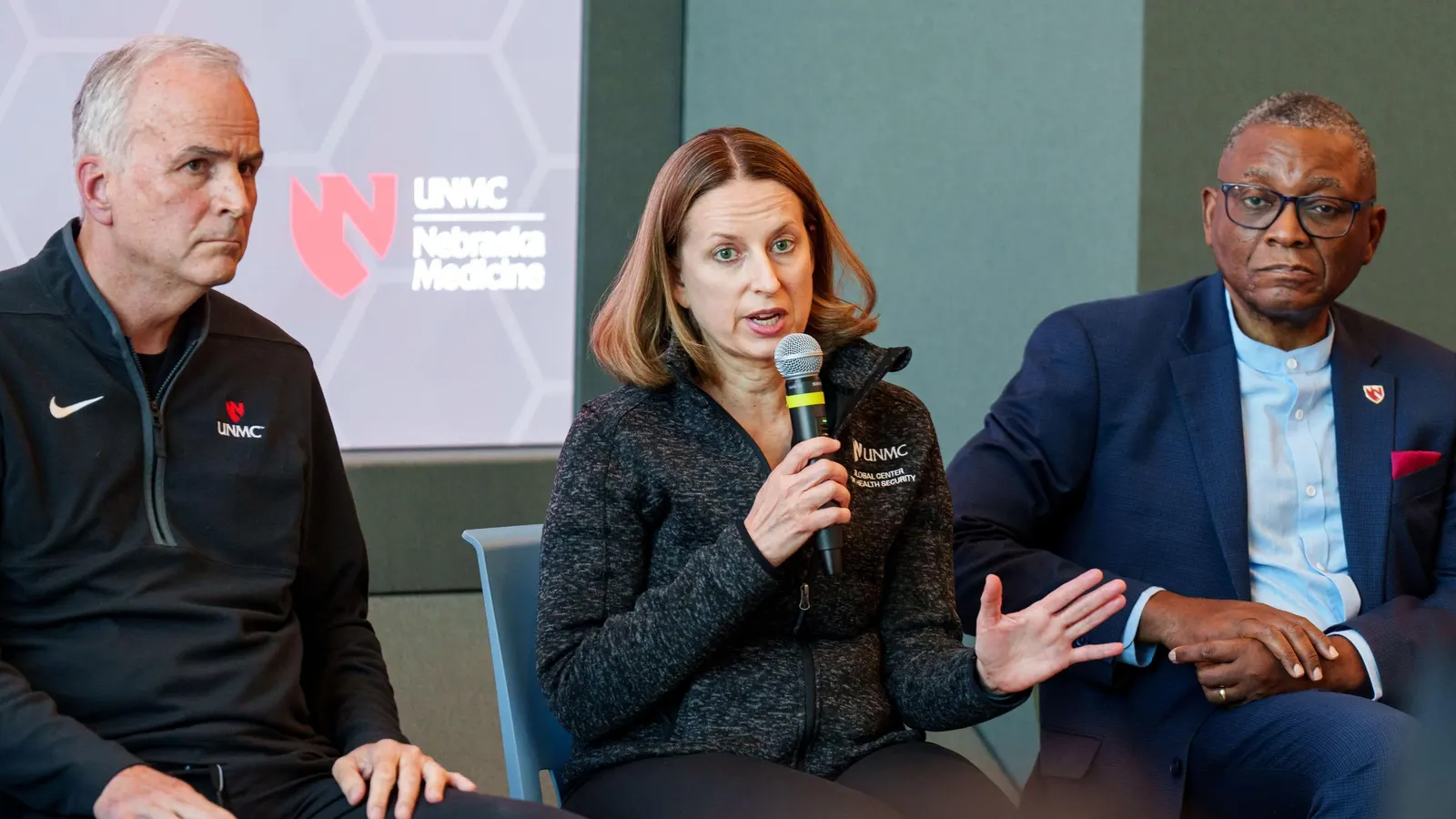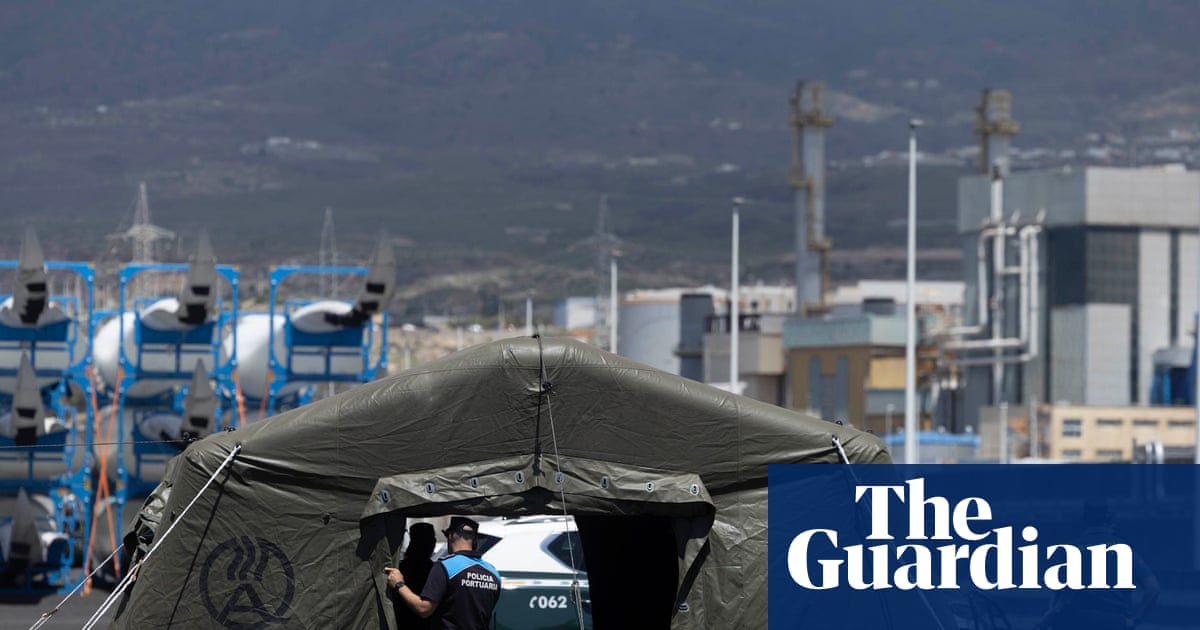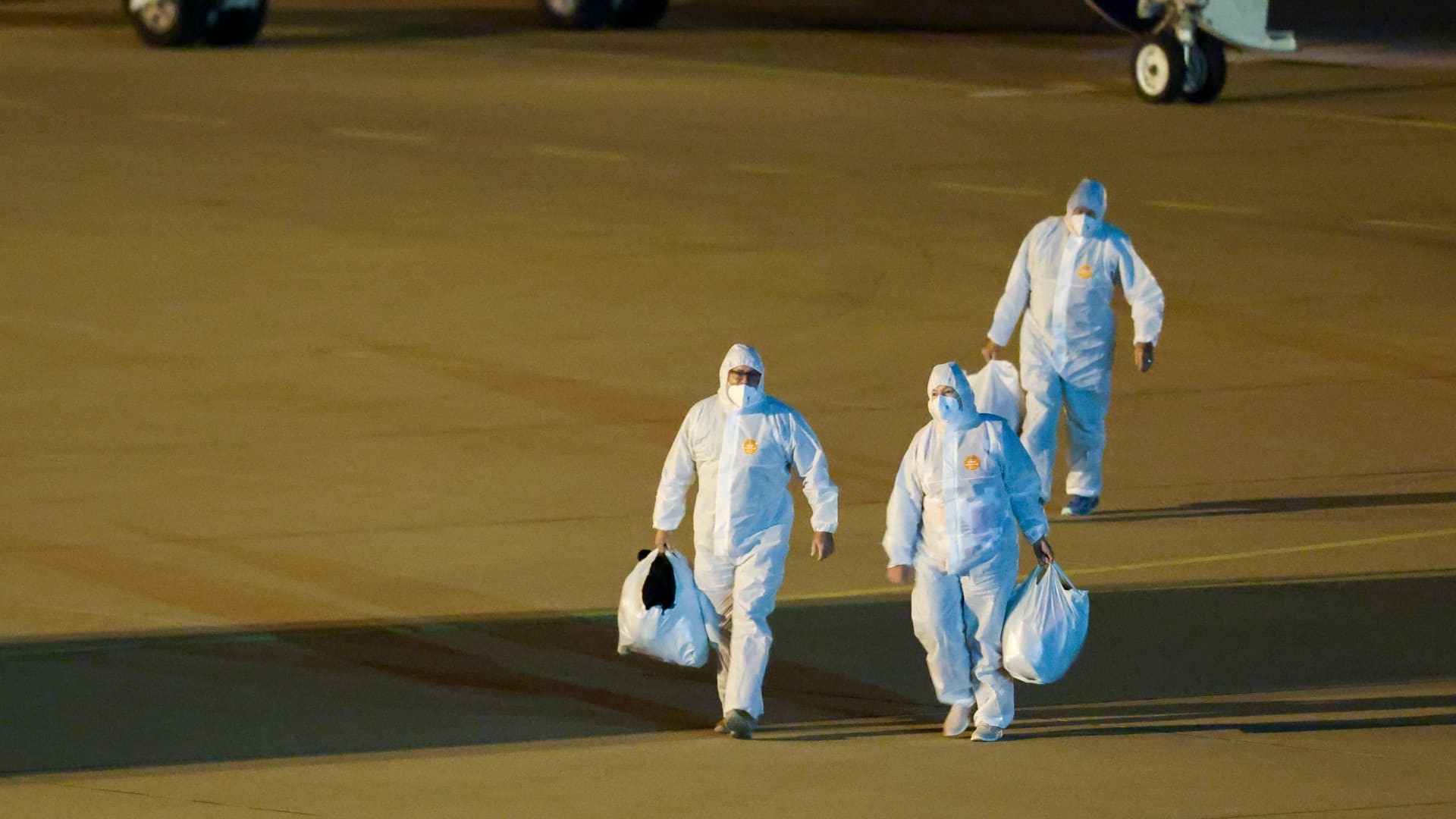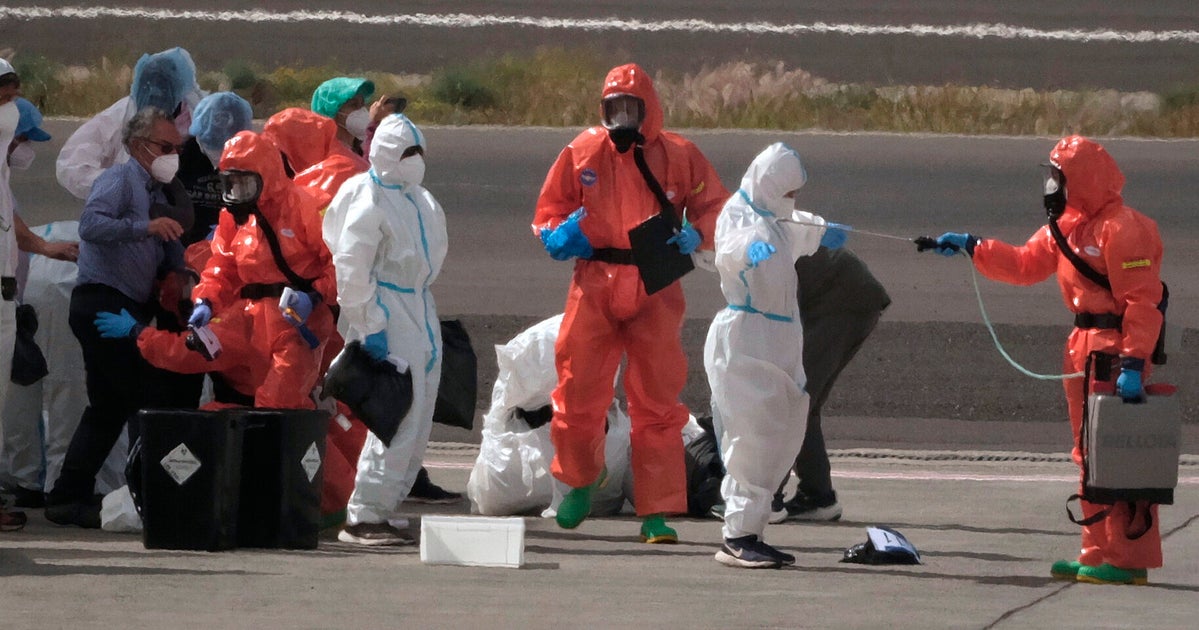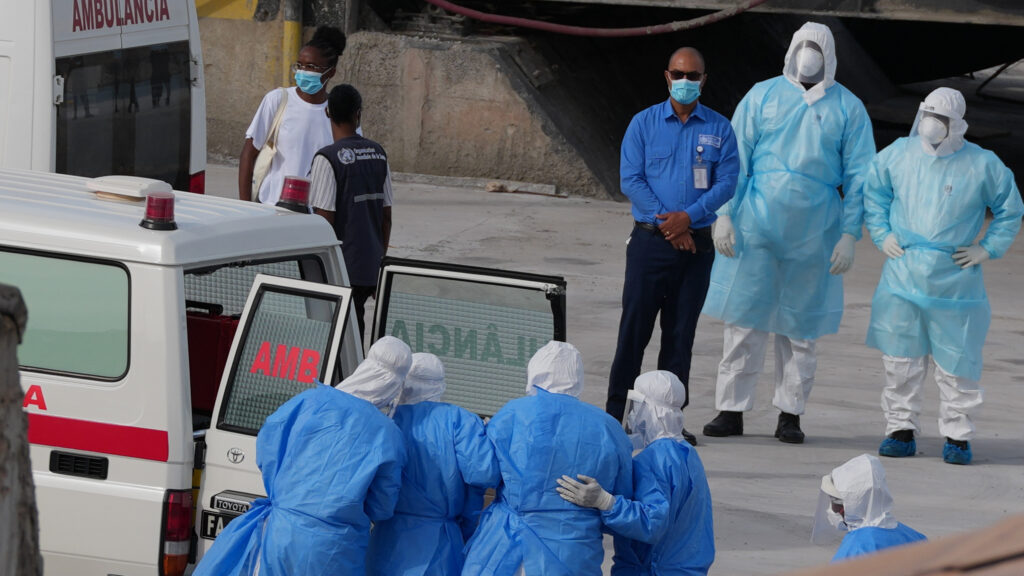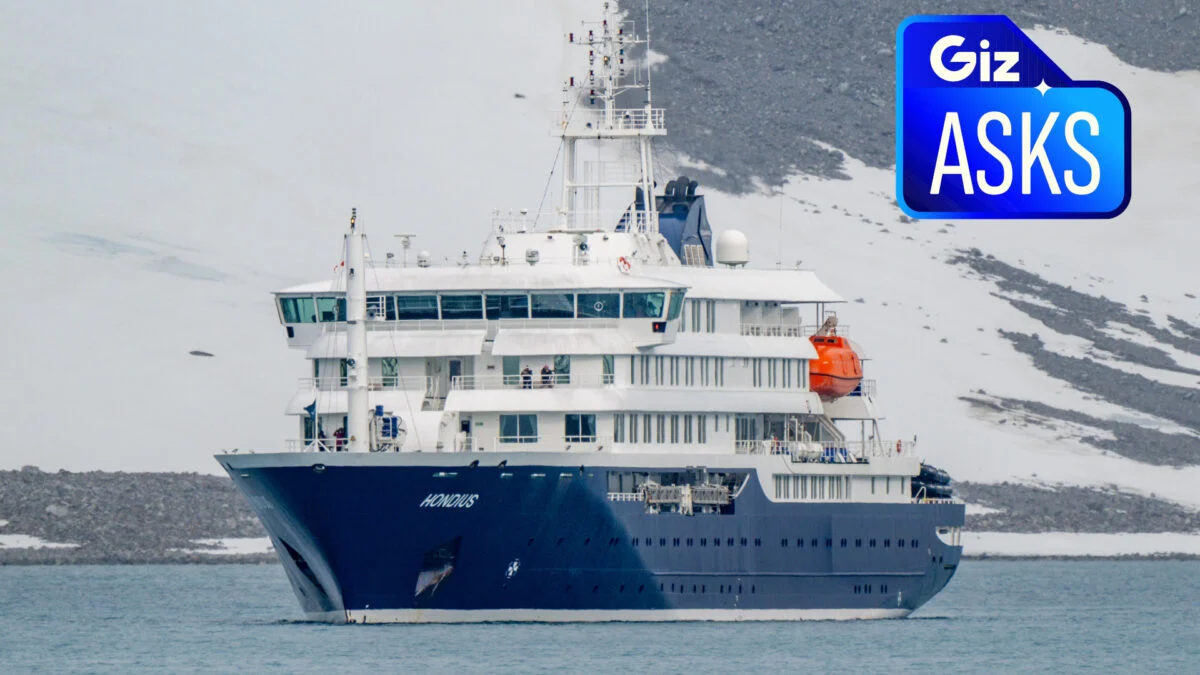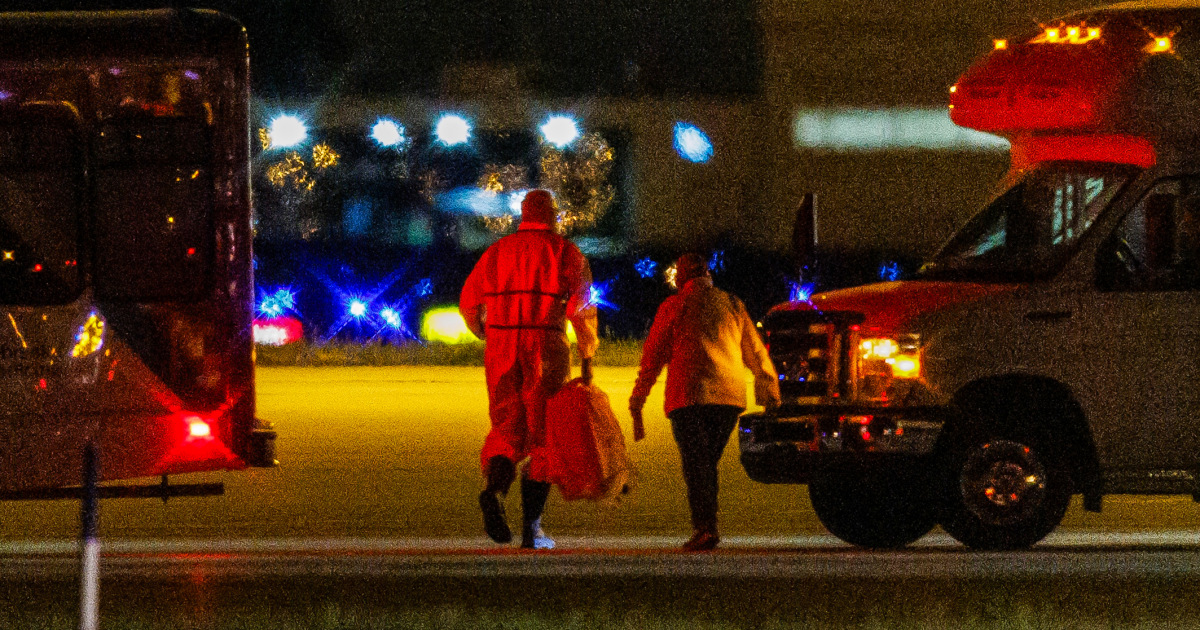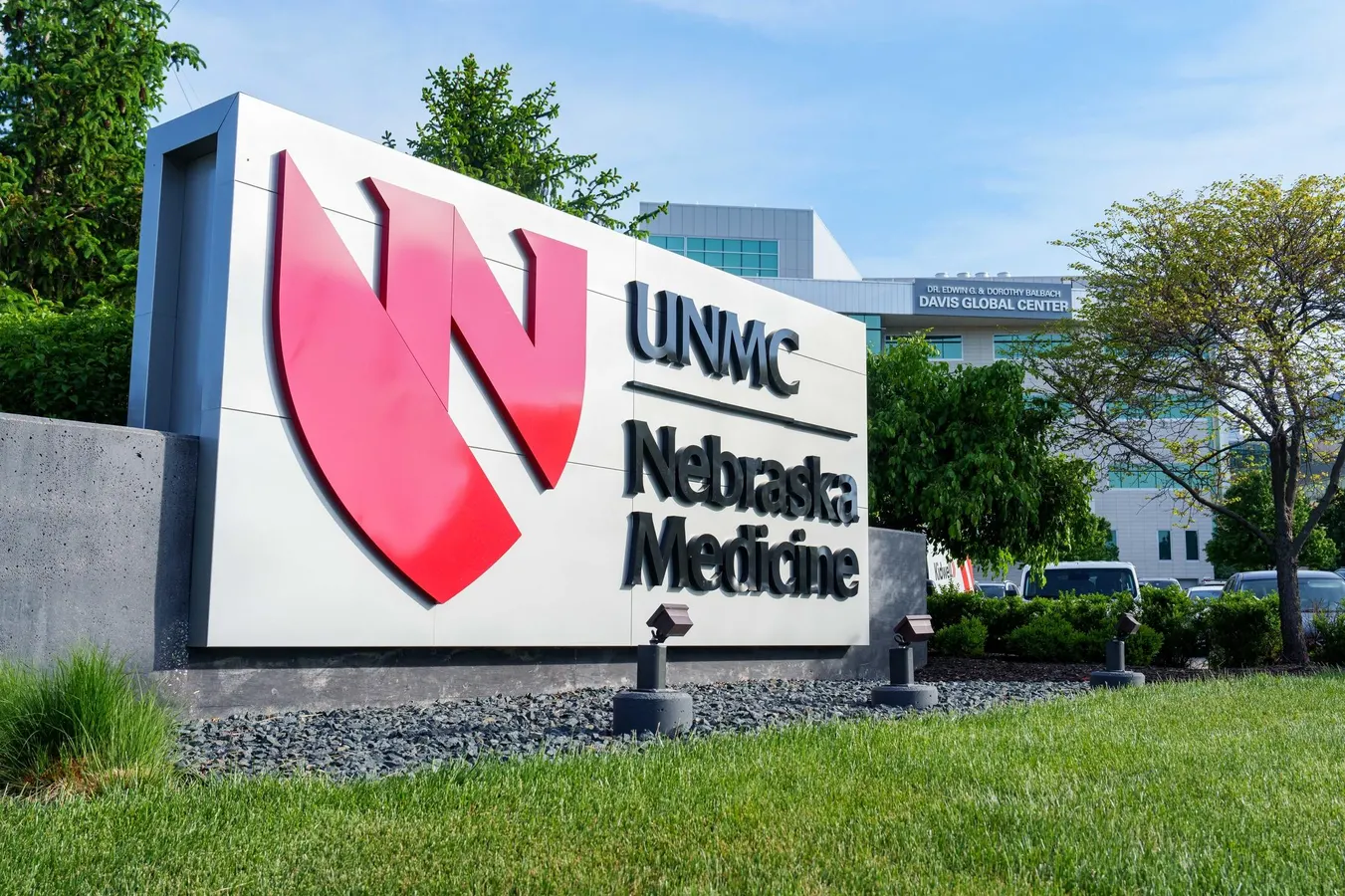
OMAHA, NEBRASKA - MAY 11: The Davis Global Center at the University of Nebraska Medical Center campus, which holds the National Quarantine Unit, is seen on May 11, 2026 in Omaha, Nebraska. The cruise ship MV Hondius, which had three passengers die from Hantavirus last month arrived on Sunday May 10 in Tenerife, part of the Canary Islands, Spain, where the remaining passengers were repatriated to their respective countries. 16 American passengers, none of whom were experiencing Hantavirus symptoms, were brought to the National Quarantine Unit at the Omaha-based University of Nebraska Medical Center to be isolated and monitored. (Photo by Dylan Widger/Getty Images)Getty ImagesThe United States may be facing a familiar public-health pattern; mistakes that should have been learned from the COVID-19 pandemic. While the current Andes hantavirus situation is far smaller and less concerning than COVID-19, several warning signs suggest the U.S. public health response is repeating familiar mistakes— slow diagnostic deployment, inconsistent containment strategies and fragmented public communication. The scale is much different, but the structural lessons feel strikingly similar.The Testing Gap: PCR AvailabilityOne of the most glaring failures of the early U.S. COVID-19 response was delayed and inadequate testing. In early 2020, testing bottlenecks blinded public health officials to community spread. While countries like South Korea began testing 10,000 individuals daily from January of 2020, the U.S. was slow to begin rolling out tests. Early testing is necessary to detect disease, understand the scope of cases as well as to implement precautions and possibly isolation measures to mitigate the spread of infection.The Andes strain of hantavirus can typically be tested by a lab test known as polymerase chain reaction (PCR), that detects the genetic material of the virus. This test is not even available to use on patients through the CDC and most states do not carry this test for clinical use. This test is available at only a select group of labs, including one in Nebraska where 16 of the 18 Americans who were on the MV Hondius cruise are being monitored for symptoms of hantavirus. Adequate testing matters because early symptoms of hantavirus resemble flu or gastrointestinal symptoms and can be mistaken for another illness. Inadequate testing can delay identification of cases, which will undoubtedly spread disease to more individuals. This would be problematic particularly if Americans outside of Nebraska and Atlanta (the two sites where the 18 Americans who were on the ship are being monitored) were suspected of contracting the virus. Limited testing fuels uncertainty and speculation amongst the American public. Self-Monitoring Vs. Universal QuarantineAnother parallel of the U.S. response involves containment policy. Following recent international hantavirus exposures linked to cruise travel, many potentially exposed individuals have been allowed to self-monitor at home rather than undergo centralized quarantine. This is true already for the seven individuals that disembarked the ship in April and returned to the United States before being alerted about the hantavirus outbreak that was confirmed in May.MORE FOR YOUAlthough this is a reasonable approach since the Andes hantavirus is thought to spread through prolonged close contact, it could be possible that the Andes virus could spread without prolonged contact but even minimal contact. In a 2018 outbreak, a person infected with the Andes virus was able to spread it to another person through just brief contact in passing en route to the bathroom. If that is the case with the current Andes outbreak, structured quarantine would prove useful to minimize the risk of spread to the general public.Self-monitoring relies heavily on individual compliance, while quarantine reduces risk regardless of behavior. With COVID-19, isolation and quarantine measures occurred too late, and the same mistake could be repeated if aggressive measures such as quarantine and close monitoring of contacts does not occur with the current outbreak of hantavirus. Communication BarriersThe most preventable but perhaps most concerning common mistake is the lack of effective public health messaging during both COVID-19 and the current hantavirus outbreak. The COVID-19 pandemic was filled with early contradictions and mixed messaging on masks, vaccines and testing eligibility. Fragmented communication led to widespread mistrust and frustration with respect to leaders communicating about health.To date, there has not been a concerted effort by the federal government to educate the public on risks, alerts or what to watch during the hantavirus Andes outbreak. As an example, the department of Health and Human Services has yet to lead a national press debriefing on the matter. Public health can only succeed when communication is clear, consistent and transparent.The current hantavirus situation is not a pandemic, nor is it likely to become one under present conditions. The United States must proactively learn from the mistakes made from COVID-19, because the consequences could be far more dire in a future different outbreak.
How The U.S. Is Making The Same Mistakes With Hantavirus As It Did With COVID-19
A public health expert explains why the United States is repeating the same mistake with the Hantavirus response as with COVID-19, particularly with communication and testing.
788 words~4 min read