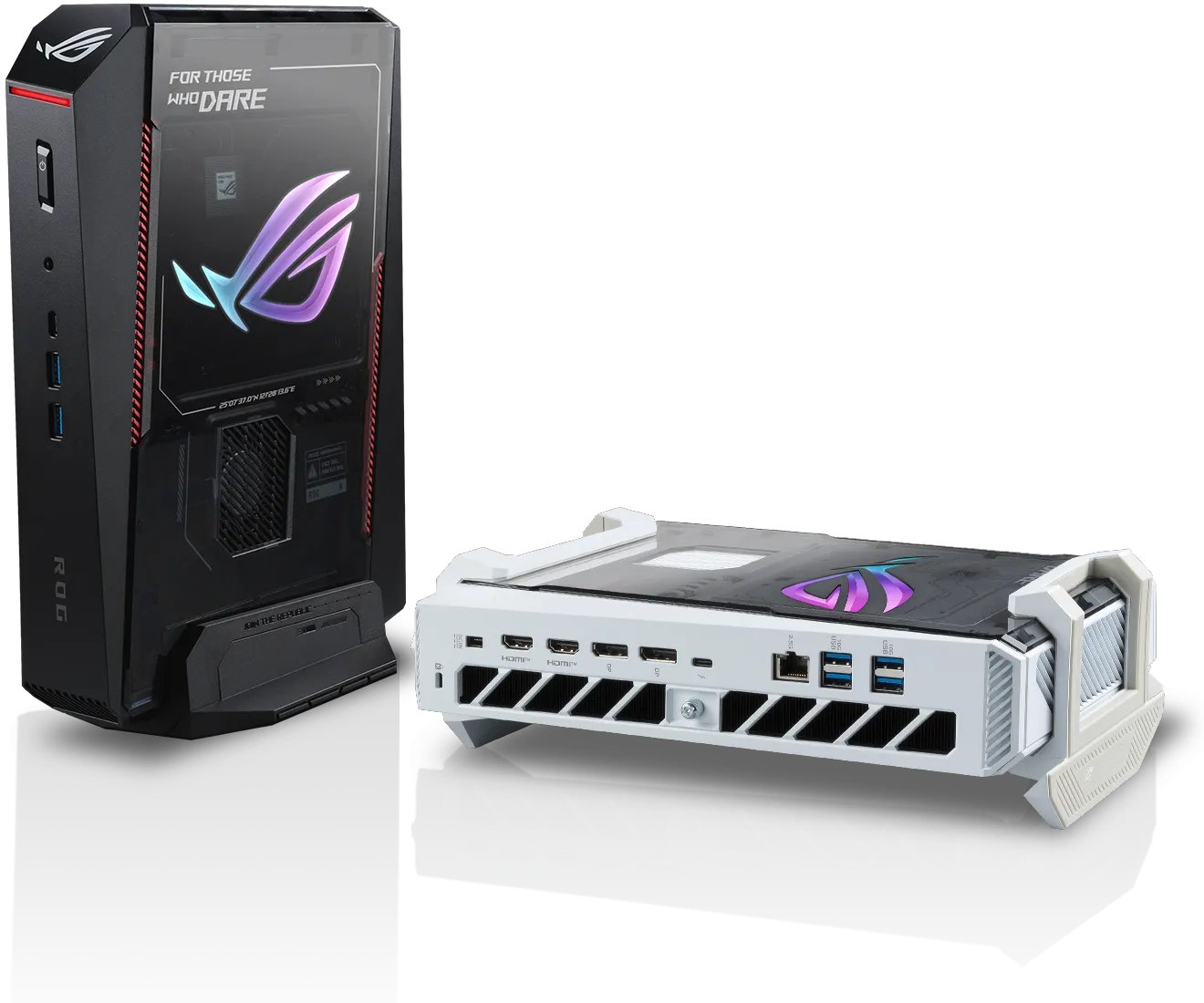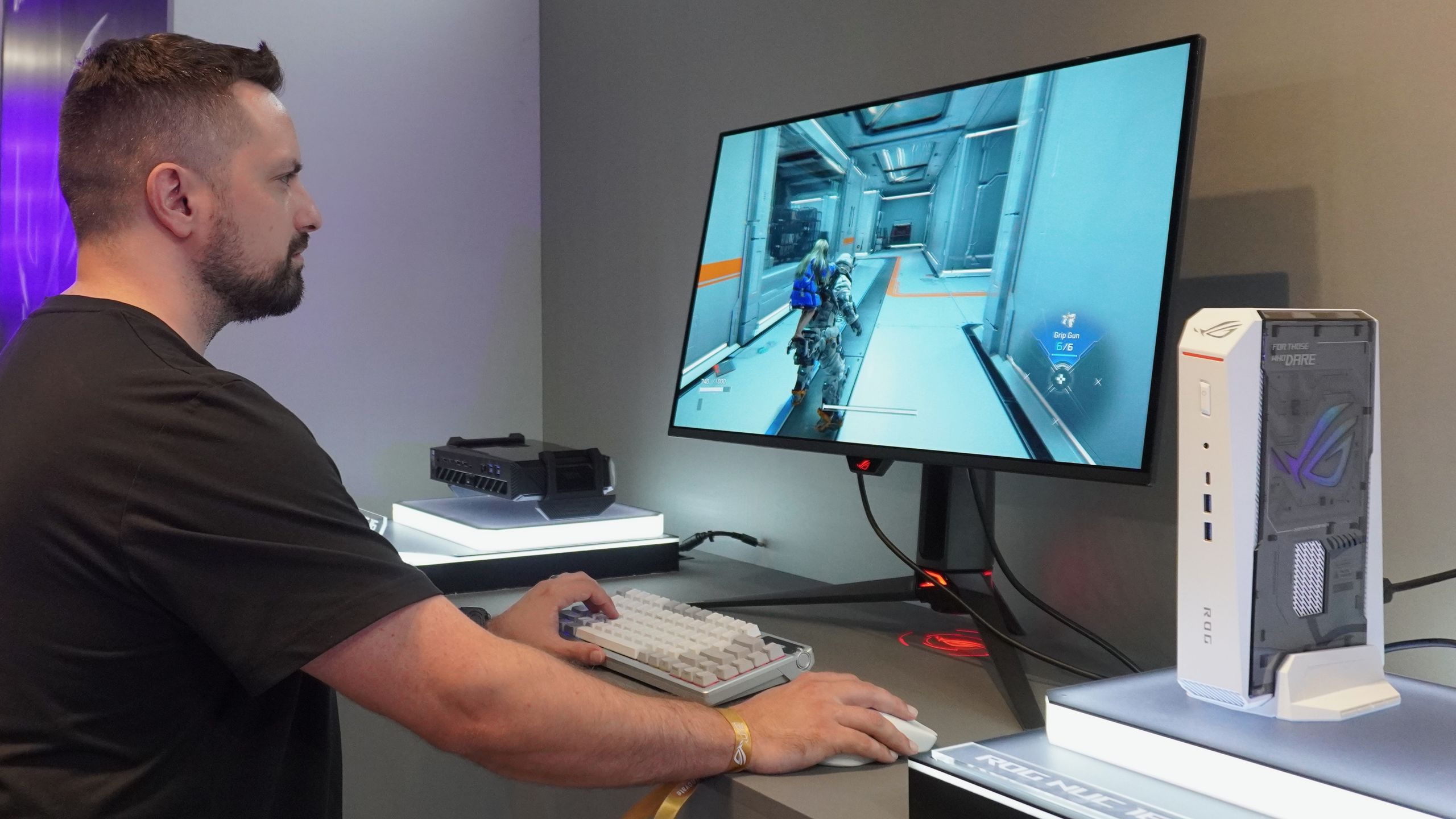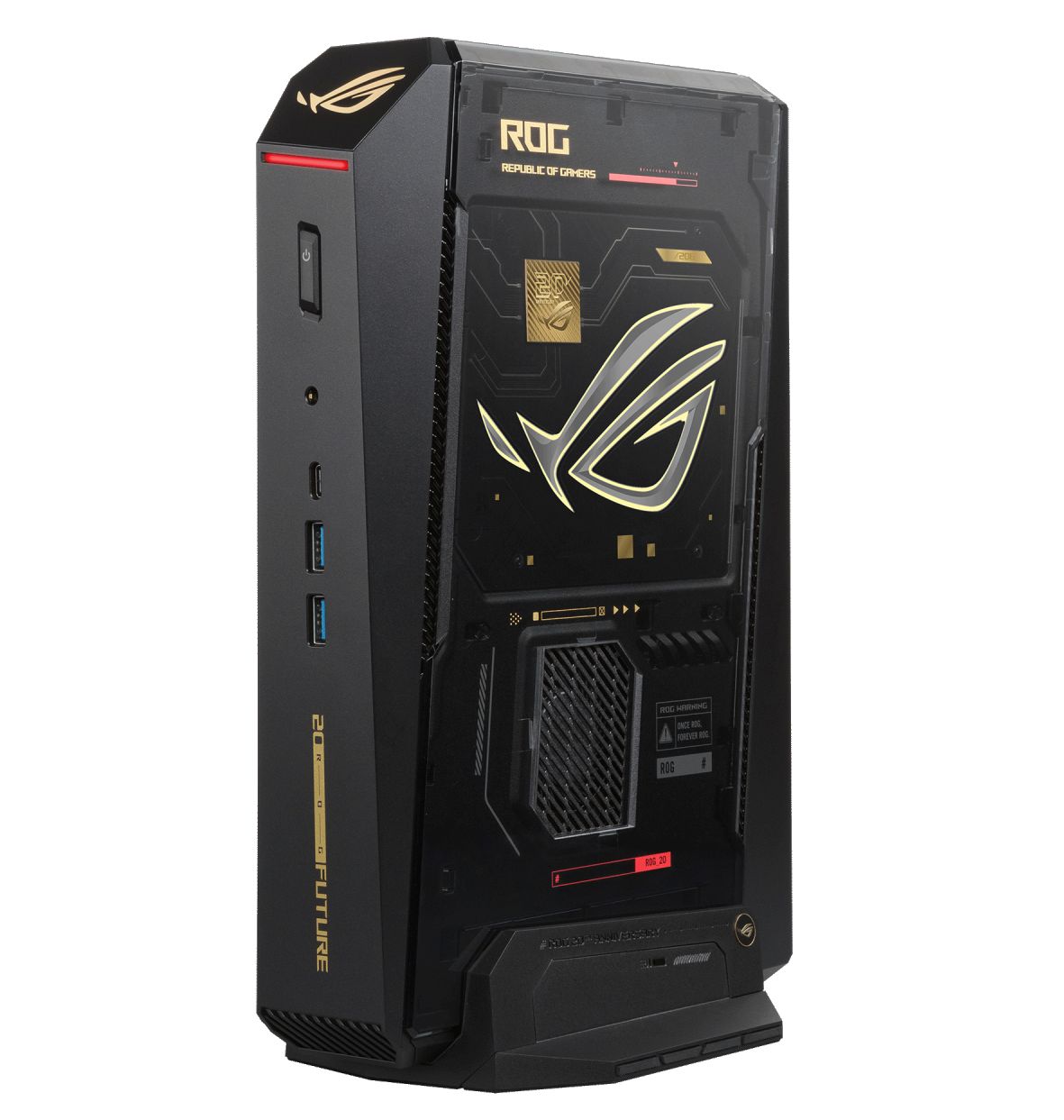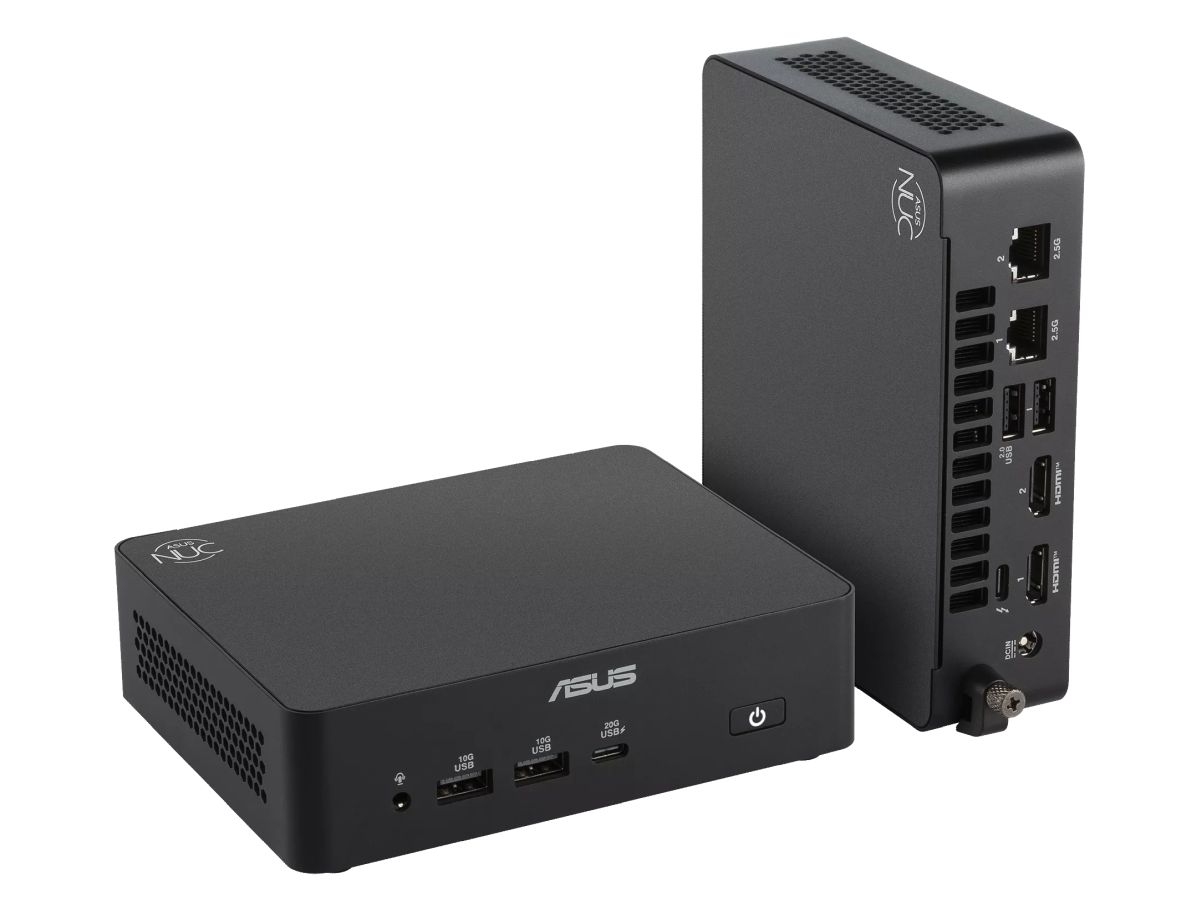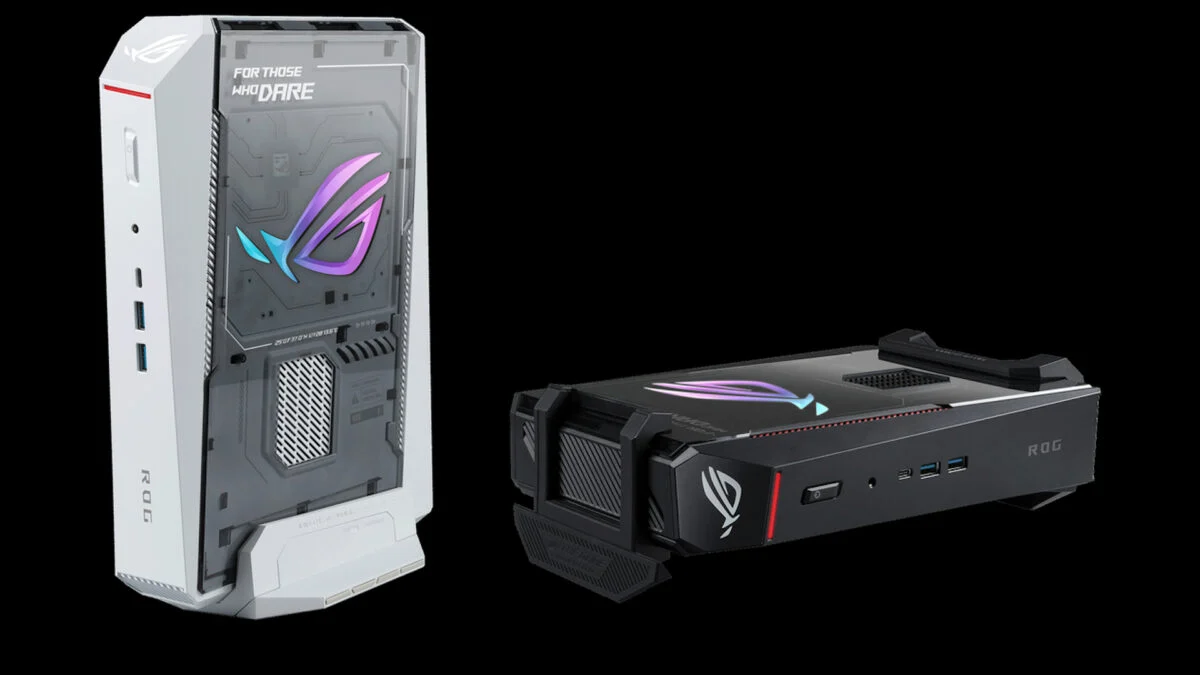
Asus is coming back with what’s likely its most appealing, most excessive gaming-ready mini PC yet, the ROG NUC 16. It will likely come with an accompanying price that’s likely to make your wallet cry out in anguish. Intel’s NUCs, short for “Next Unit of Computing” PC, were supposed to offer pint-sized PCs with desktop-level customizability inside of a premium chassis. But a combination of limited customization options and expensive pricing pretty much doomed NUCs like the Intel NUC 9 Extreme (“Ghost Canyon”). So Intel handed off the NUC design to Asus in 2023. Since then, the ROG NUCs have proved especially appealing to mostly gamers with limited desk space.
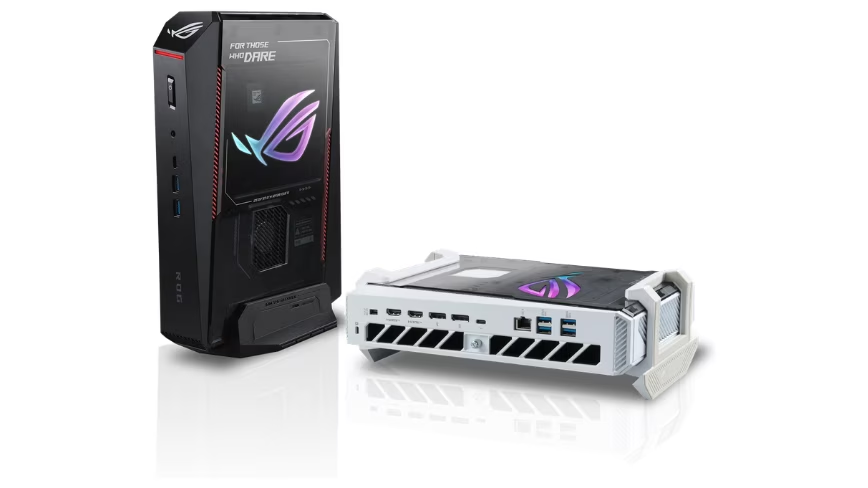
The ROG NUC 16 is the most powerful and most console-like of the NUCs Asus has produced so far. It maintains the same basic shell as the previous NUC 15, but it now includes Intel’s refreshed Arrow Lake CPU, the Intel Core Ultra 9 290HX. It’s packing up to an Nvidia GeForce RTX 5080 laptop GPU (so not the larger desktop version that eats up an enormous 360W of power just by itself), and it can be configured with up to 128GB of RAM. There are plenty of HDMI and USB ports, though you’ll only have one Thunderbolt 4 port on the rear. © Asus And if you were wondering how and where you can get one, Asus hasn’t indicated U.S. pricing details. The mini PC will start at 29,999 Chinese yuan, which roughly comes out to $4,420. The new “Moonlight” white version costs even more, closer to $4,490 in U.S. dollars. Asus promised that the Black version will be out this month, while the white won’t arrive until June. Neither version has a precise launch date. The previous ROG NUC 15 currently starts at $3,400 with a lower-end Intel Core Ultra 7 255HX CPU, an RTX 5060 GPU, and 16GB of RAM. It costs close to $5,300 for a version with a higher-end Arrow Lake CPU, the RTX 5080, and just 16GB of on-device RAM. With the Intel Core Ultra 9 290HX, the ROG NUC 16 promises better performance than the ROG NUC 15 with the same RTX 5080 GPU. However, Asus’ own site shows that benchmarks like 3DMark’s “Time Spy” equaled only a 3% uplift compared to the last generation. How much better performance you get will depend on the game.