By Pauline Ongaji
On April 24, at the Kasarani grounds of the Kenya Institute of Special Education (KISE), tech leaders and disability advocates came together for conversations around enhancing the availability of tech-enabled assistive devices for persons with disabilities. The focus was on assessing progress since the initiation of these conversations in 2024.
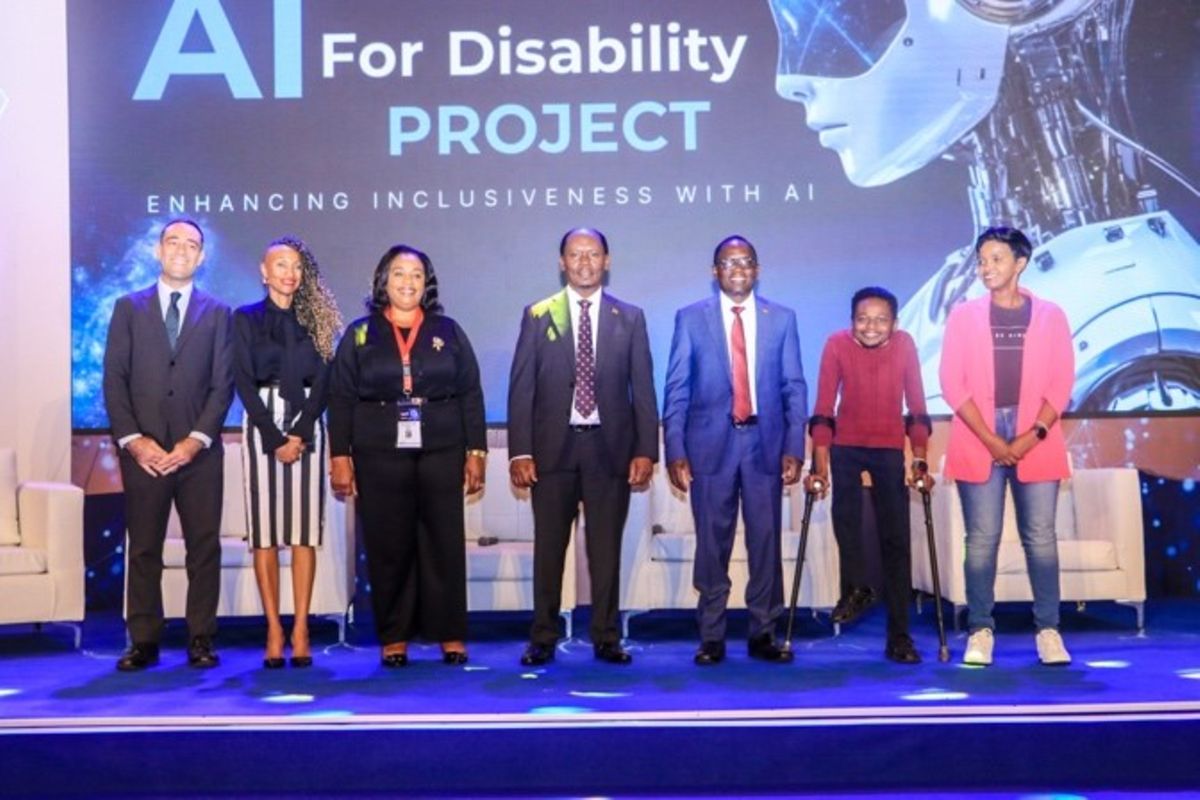
Two years down the line, there is hope at the end of the tunnel. During the Closing Ceremony of the 15th Connected Africa Summit 2026 held at the Edge Convention Centre in Nairobi on April 27-30, Kenya’s Ministry of Information, Communications and the Digital Economy (MICDE), in partnership with KISE, UNESCO, Qhala, inABLE, Assistive Technologies for Disability Trust (AT4D), and Huawei, officially launched the Kenya AI for Disability Project.
This was a culmination of a conversation that began with a shared vision and purpose: To rethink how technology can expand access to education, employment, and economic participation for Persons with Disabilities via homegrown solutions and products.
The AI for Disability Project is informed by the various partner skills and strengths, and reflects the intent of the Persons with Disabilities Act 2025 (Act No. 4 of 2025), which calls for accessibility to assistive technologies.