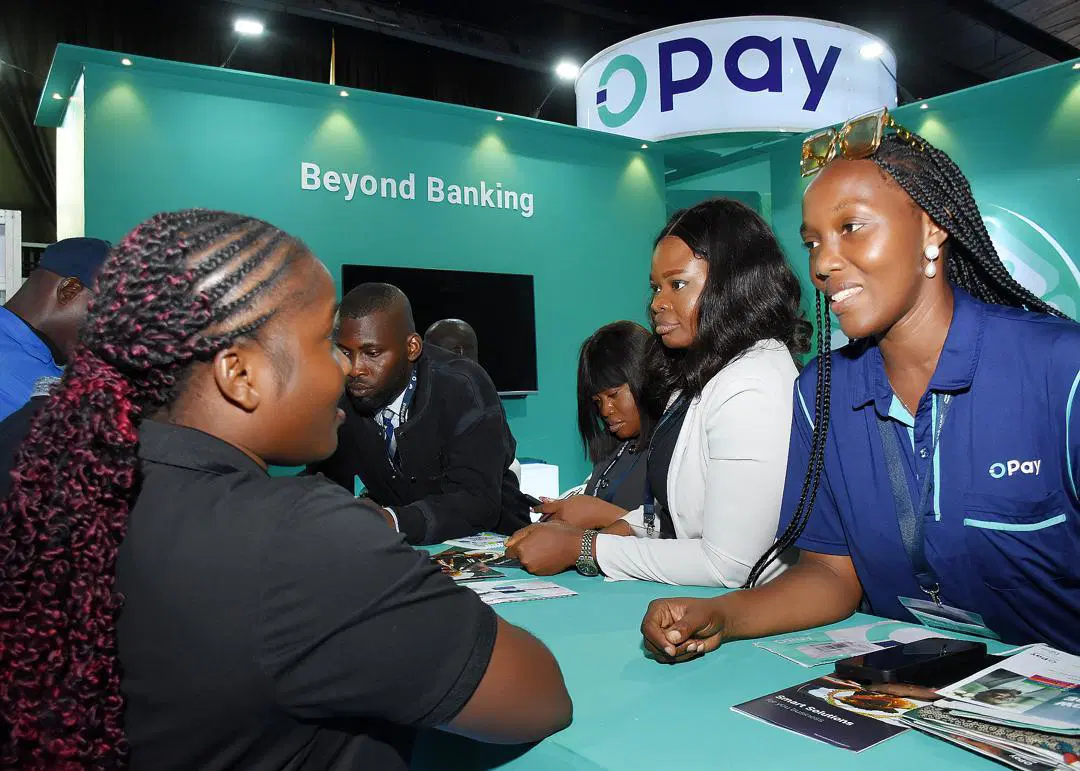
In early 2025, Peace*, a research assistant at Covenant University, Ogun State, Southwestern Nigeria, had a health emergency and was short on cash. So, she did the first thing that came to mind: open the OPay app to take a loan. She navigated to EaseMoni, a loan product offered through OPay’s lending arm, reviewed the repayment terms, and took some loans. It was ₦6,000 ($4.21) the first time. Then subsequently, ₦24,000 ($16.85).Peace told TechCabal she repaid the loan before the one-month deadline, closed the app, and moved on. The app, however, did not.Image source: Chima David/TechCabalImage source: Chima David/TechCabalA few days later, the calls began: an automated and relentless stream of reminders about loan discounts and improved offers. Click below to answer or decline the call.
Why do Nigerians keep getting spam calls?
TechCabal spoke to 20 OPay customers across Lagos, Ogun, Abuja, and Plateau states. Their accounts reveal a consistent pattern: a high-frequency calling model that persists regardless of loan status, often utilising a rotation of mobile numbers to bypass blocks and filters.
126 words~1 min read