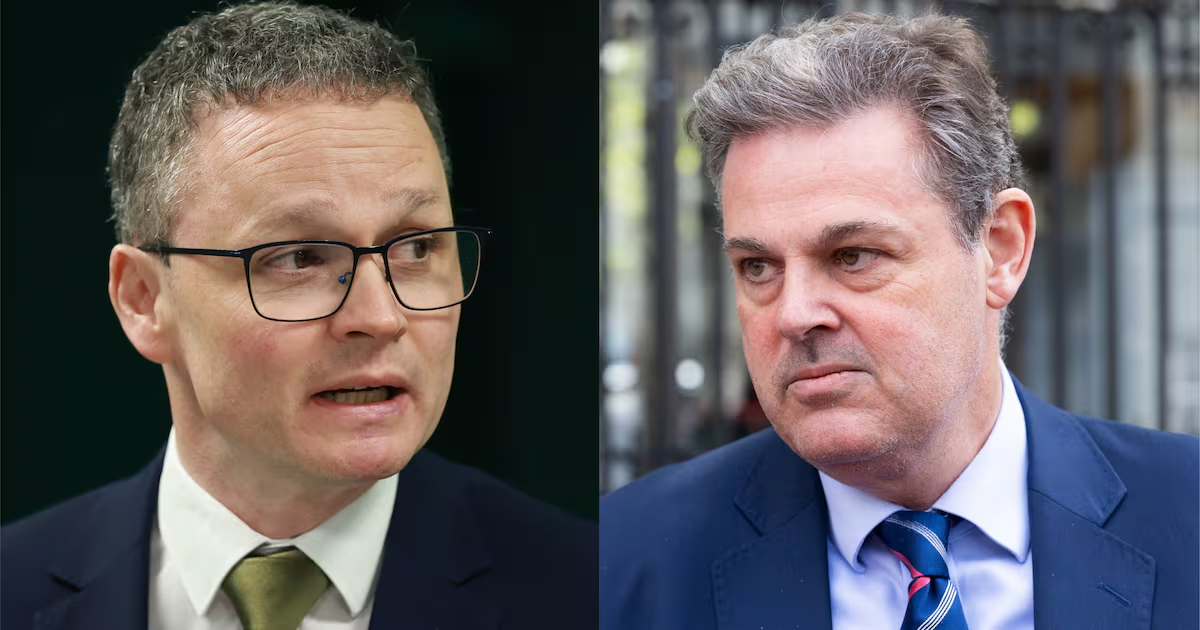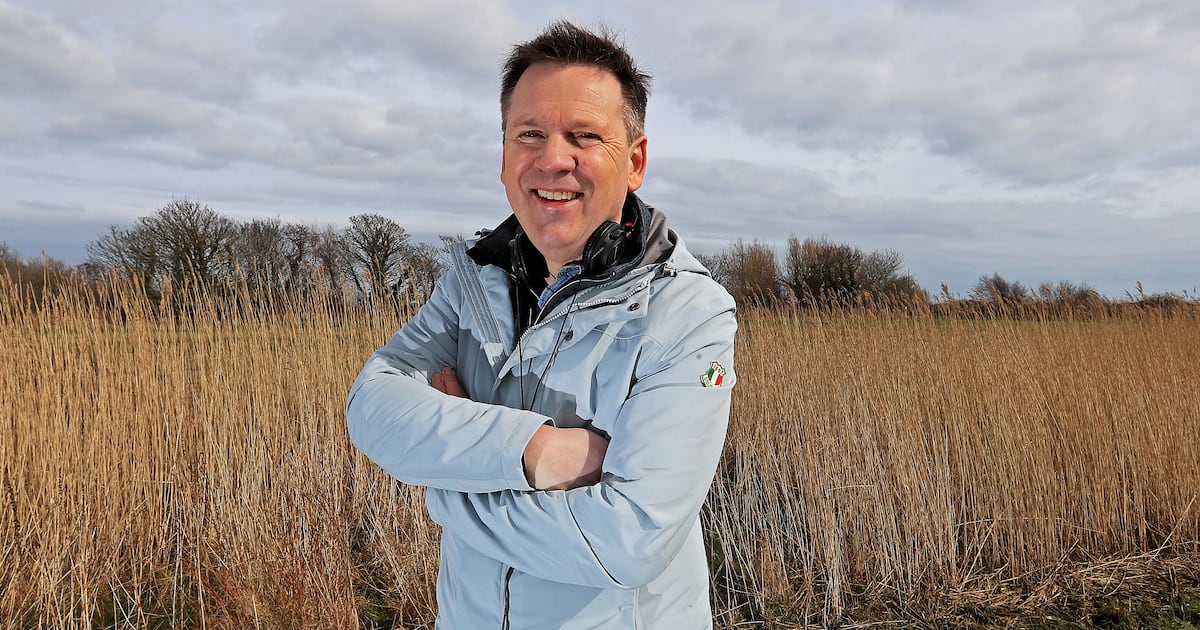
When is a radio presenter not a radio presenter? For RTÉ, apparently, it’s when you designate a presenter as a producer for the purposes of compiling a list of your best-paid broadcasters, as occurred with Derek Mooney. Alternatively, it can be when you continue to pay a presenter even after they’ve ceased broadcasting, as happened with Claire Byrne and Ray D’Arcy after they departed RTÉ Radio 1 last year. Whatever the reason, the latest revelations about payments to RTÉ figures has thrust the embattled network back into the firing line, reigniting questions about fiscal practices and public trust that previously raged during the Ryan Tubridy secret payment scandal of 2023.It’s unsurprising that Mooney’s inclusion among RTÉ’s top-earning presenters should have raised eyebrows. Best known as the host of RTÉ Radio 1’s weekly nature show Mooney Goes Wild, he is a well-regarded nature broadcaster. But, as his Monday night slot attests, he’s hardly one of the network’s big hitters, though he had a higher profile, helming Radio 1’s weekday afternoon slot to moderate ratings until Ray D’Arcy took over his spot in 2015.So Mooney’s sudden appearance on the list of highest-paid presenters was unexpected to say the least; he is eighth on an updated 2024 list, with earnings of €197,151, and seventh on the 2025 list, with a salary of €202,000. The reason for this, according to RTÉ, is that he was previously categorised as an executive producer, a post he was appointed to shortly after D’Arcy’s arrival; indeed, the network has disclosed that had Mooney been classified as a presenter earlier, he would have been in the top 10 earners from 2020. As if this wasn’t bad enough for RTÉ, the news that Byrne and D’Arcy were paid about €100,000 after they left their roles at Radio 1 last year has compounded the impression of a network that is cack-handed with payments at best, or using sleight of hand at worst. The revelations couldn’t come at a worse time, with Minister for Culture Patrick O’Donovan, already viewed as hostile to the network, describing the most recent developments as “Groundhog Day” in advance of a meeting with RTÉ director general Kevin Bakhurst on Tuesday.But while the affair has revived arguments about RTÉ’s fiscal competence and viability, even greater damage may be inflicted on trust in the network, both among its own staff and the wider public. Certainly, the Mooney payment switcheroo will do little to inspire confidence in management among demoralised RTÉ staff, which has endured pay cuts and redundancy schemes since the Tubridy debacle. Some 89 per cent of Siptu and National Union of Journalists members voted no confidence in the executive’s New Direction strategy.It’s also another blow to public trust in the national broadcaster, which has never recovered since the payments scandal of 2023, when payment of licence fees fell catastrophically, necessitating a Government bailout. Taken in isolation, Mooney’s recategorised salary might be seen as an overly clever accounting move. But coming on the back of years of turmoil, both in terms of staff turnover and cash troubles, it adds to the impression of an institution rife with favouritism and dysfunction.[ RTÉ confirms Derek Mooney’s pay was incorrectly listed in public recordsOpens in new window ]It doesn’t help that the news of Mooney’s payment broke on the same day that the latest JNLR listener survey showed a dip in ratings across Radio 1’s revamped weekday schedule. RTÉ management put a brave face on the reduced audience figures, saying the new schedule is still bedding in. But, coming on the heels of a station-wide sonic rebranding that saw the instantly recognisable theme tunes of shows such as Morning Ireland and Sunday Miscellany replaced by bland jingles, it again compounds the notion that RTÉ is losing its grip both on the public it is supposed to serve and the people who make it work.
Derek Mooney pay controversy compounds image of dysfunction and distrust at RTÉ
Wildlife presenter’s sudden inclusion among top 10 earners is the latest blow to the embattled network
643 words~3 min read