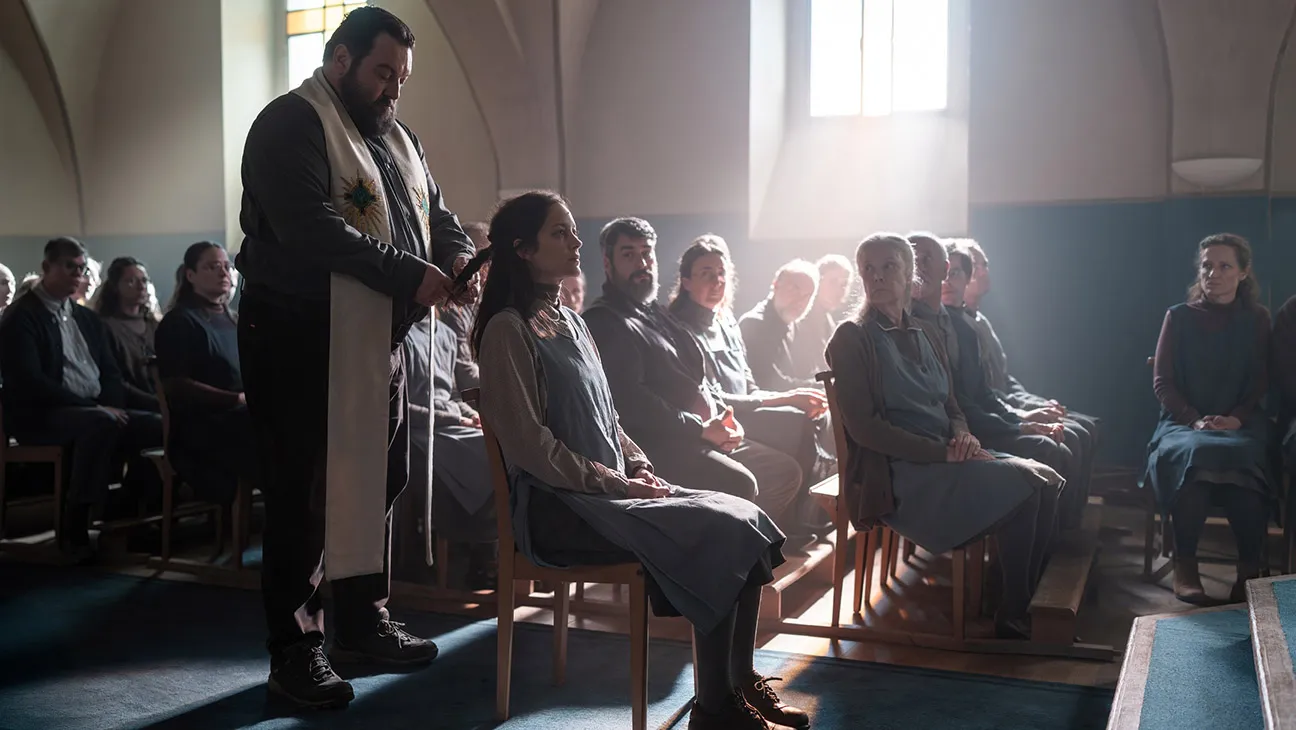
For a brief, enticing stretch of Guillaume Canet’s Karma, it appears to be a film in which Canet’s ex-wife Marion Cotillard plays an alcoholic employed at a Spanish sardine factory. We haven’t seen Cotillard do exactly that before, so that would be a novelty, and it might be nice to watch her in another working-class social drama, all these years after her Oscar-nominated turn in Two Days, One Night. But something about Karma’s sinister music tells us that Canet, who also co-wrote the film, has grimmer matters in mind. We only see the sardine factory once before the film’s true plot kicks in.
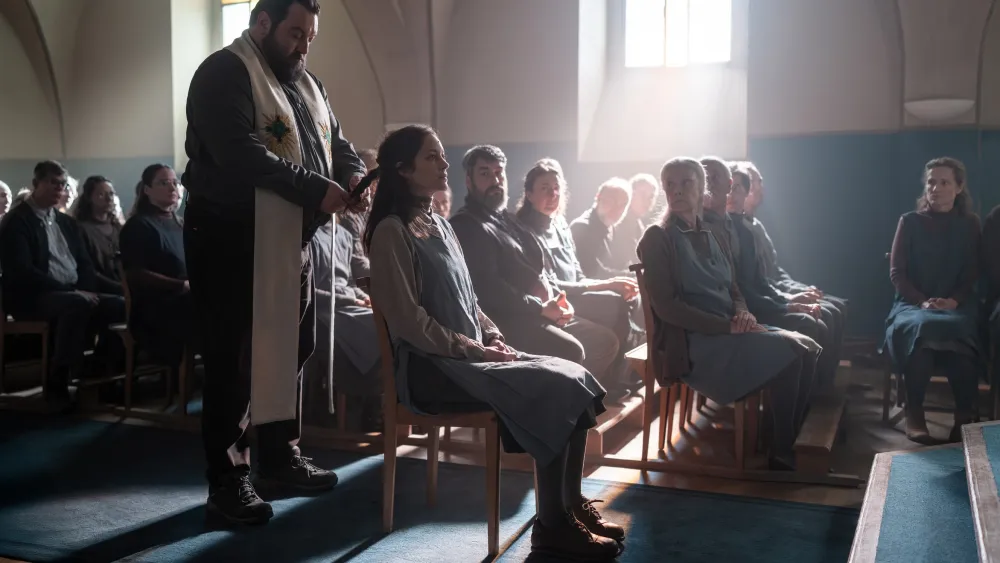
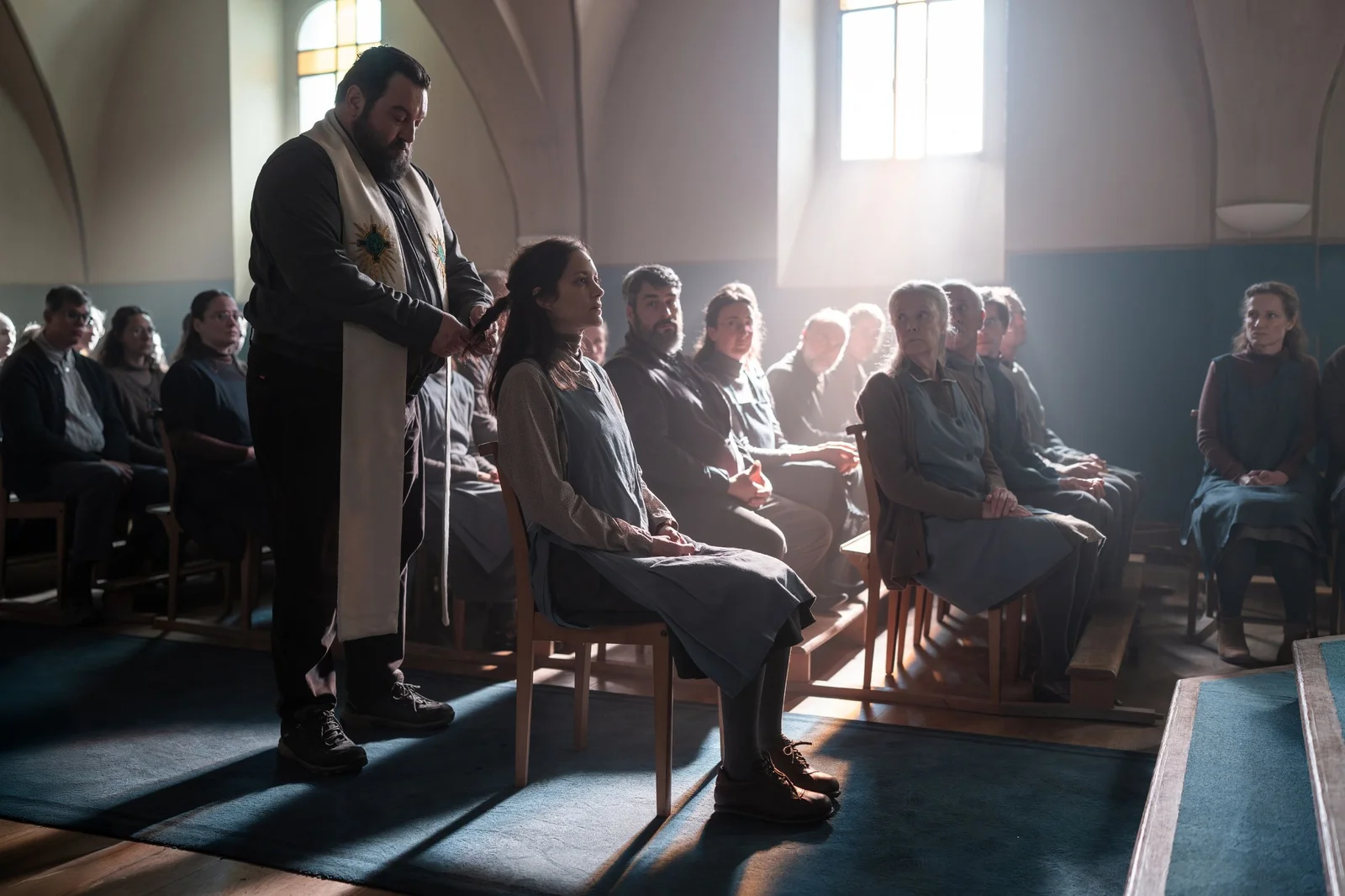
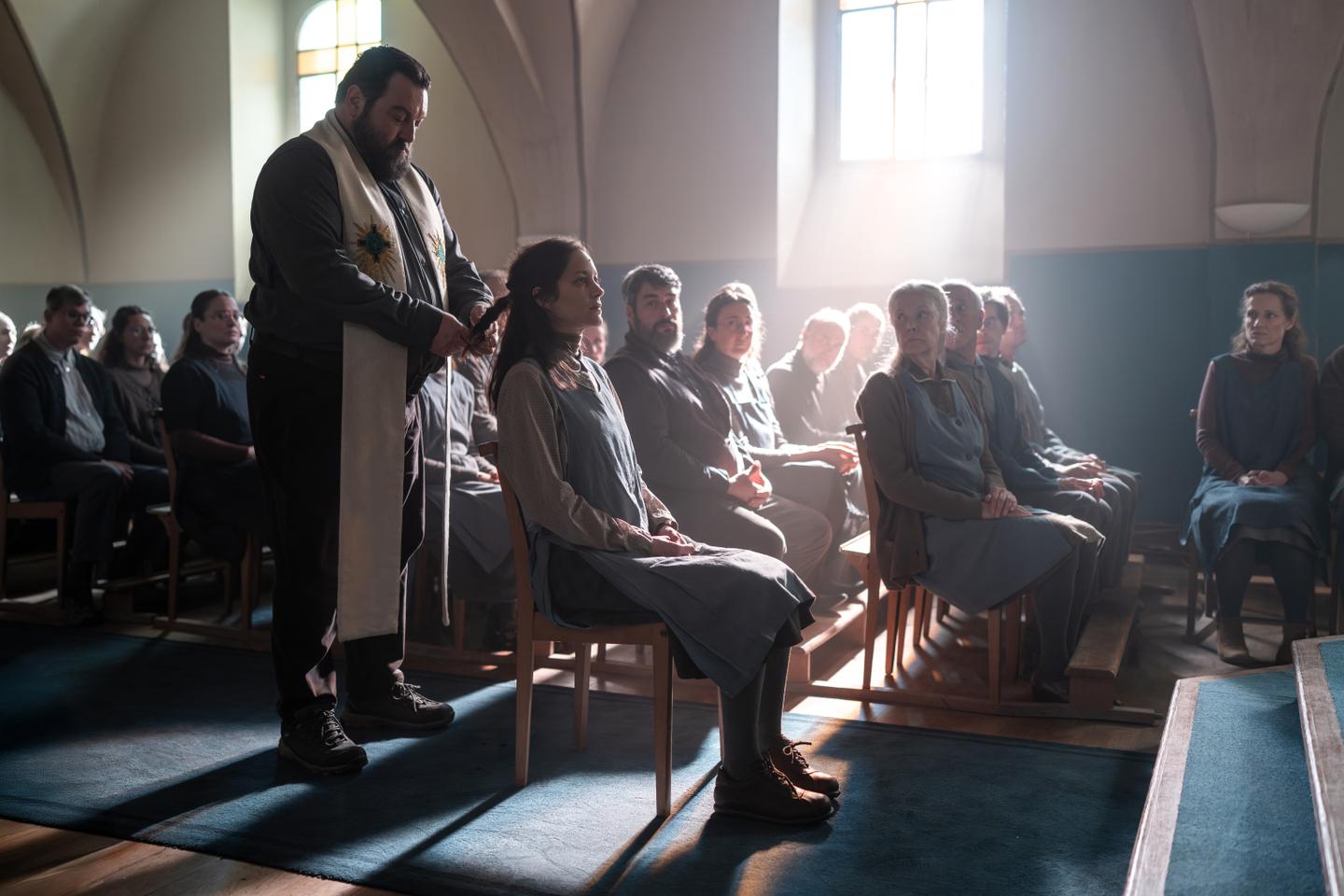
What Karma is really about is a subject familiar to many an American consumer of streaming-service documentary series. No, it’s not about a scam artist or a mysterious campus murder. It is, instead, about a cult, a cloistered religious community run by an abusive false prophet. Canet and co-screenwriter Simon Jacquet have conceived of many rules and rituals for this slavishly devout sect, but they also keep things vague enough so as not to evoke any one particular religious tradition. French Catholicism may be the aesthetic foundation of the group, but its core beliefs center on one mortal man with his own byzantine set of codes and restrictions.