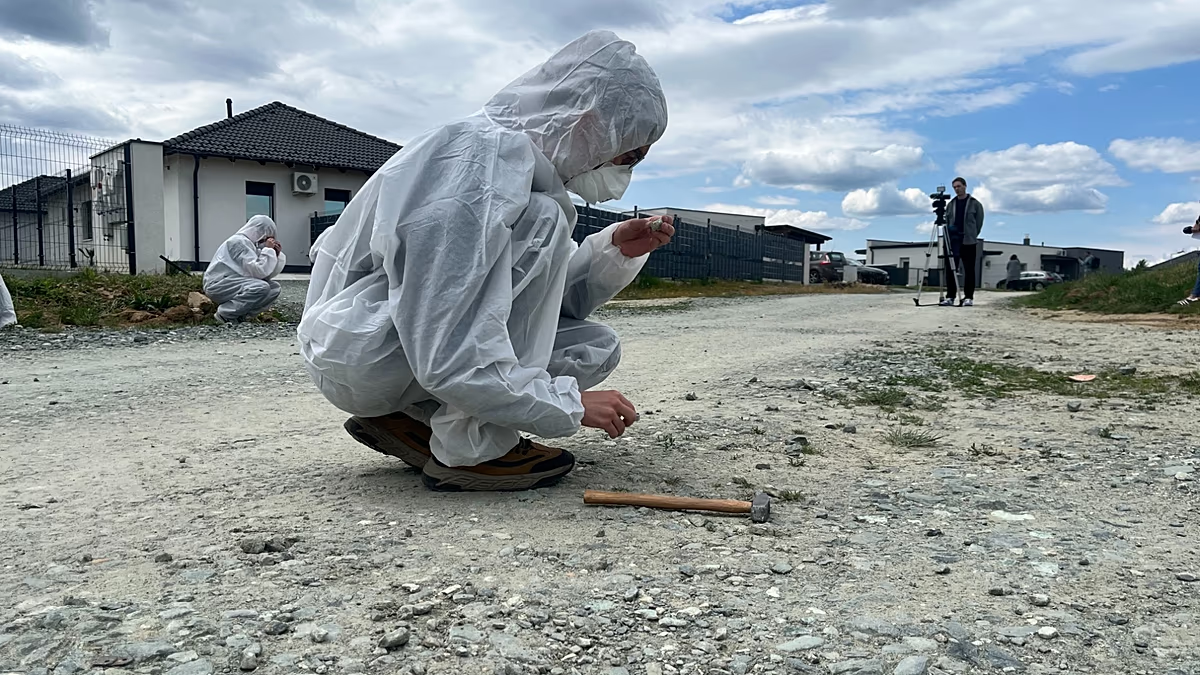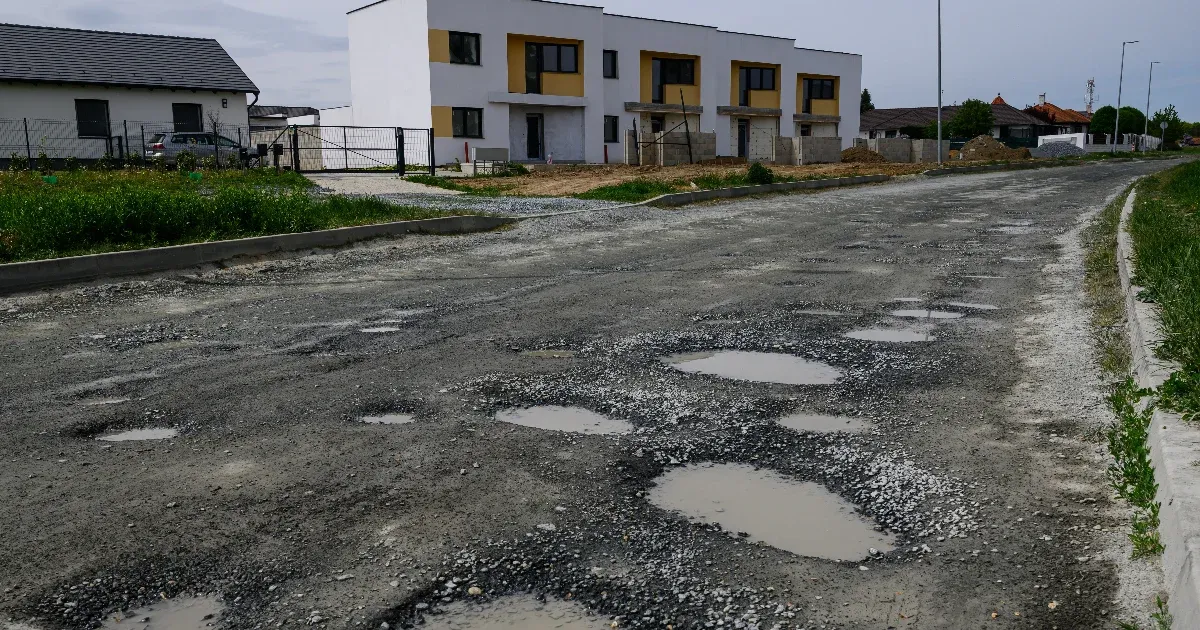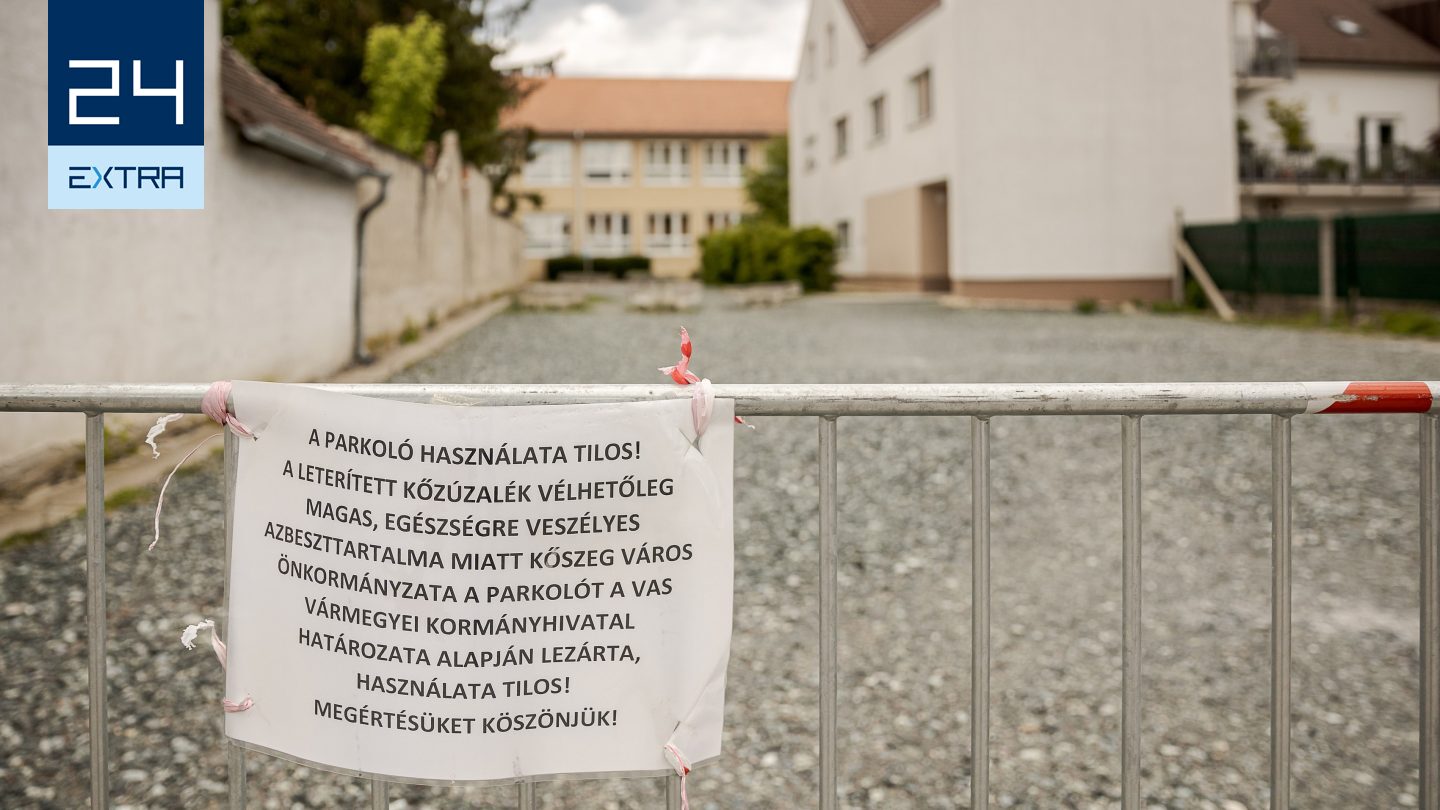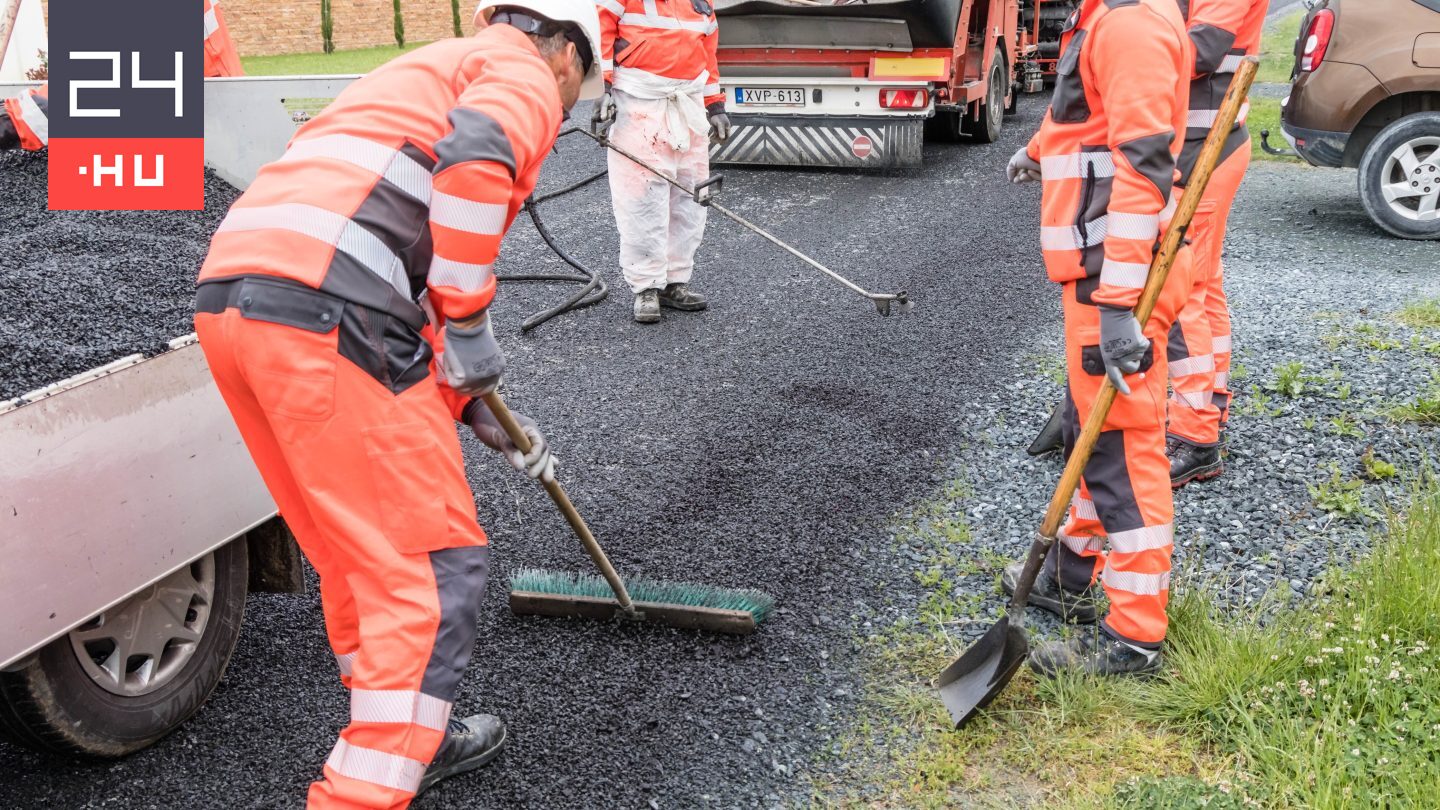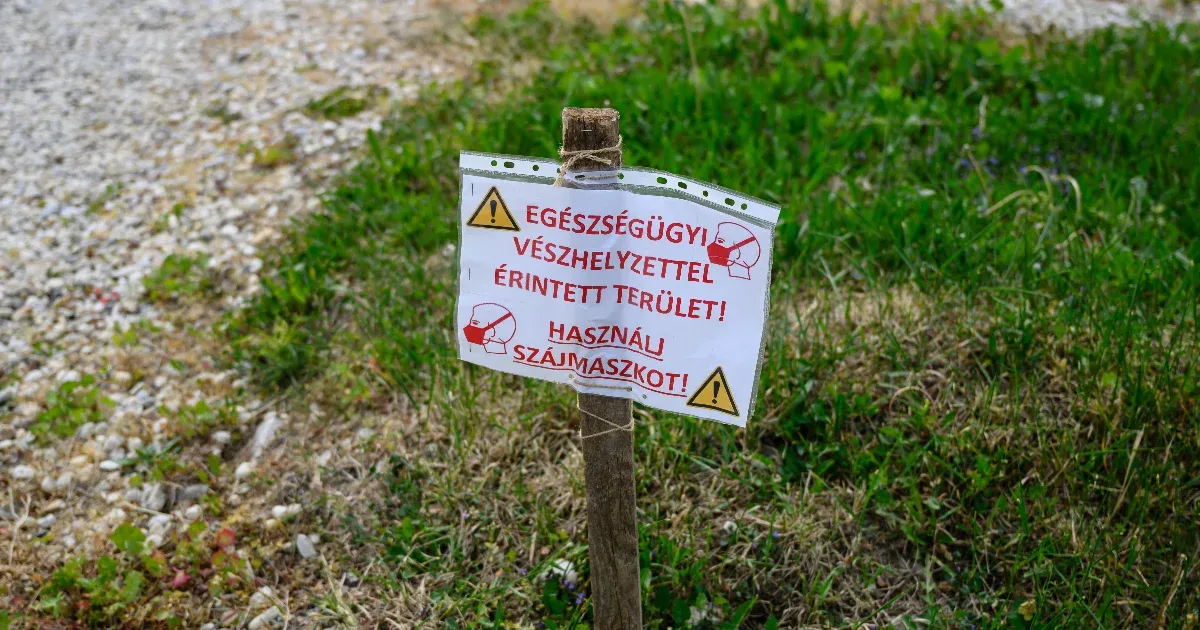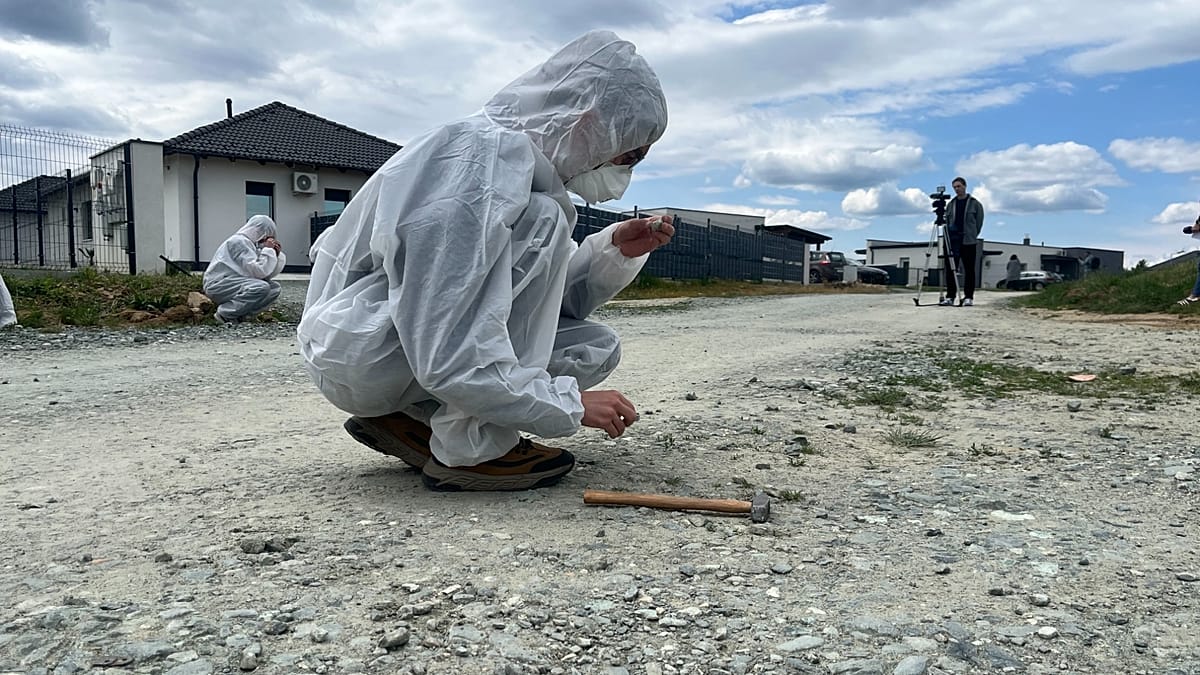
Hundreds of road surfaces in the western Hungary may be contaminated with asbestos. One of these areas is the Oladi plateau, a suburban part of Szombathely that is currently under construction, which may have been exposed to contamination for eight to ten years, when stones were transported there from Austrian mines.
Tamás Weiszburg, a geologist and former head of the mineralogy department at Eötvös Loránd University, explains to Euronews the dangers asbestos poses to the human body.
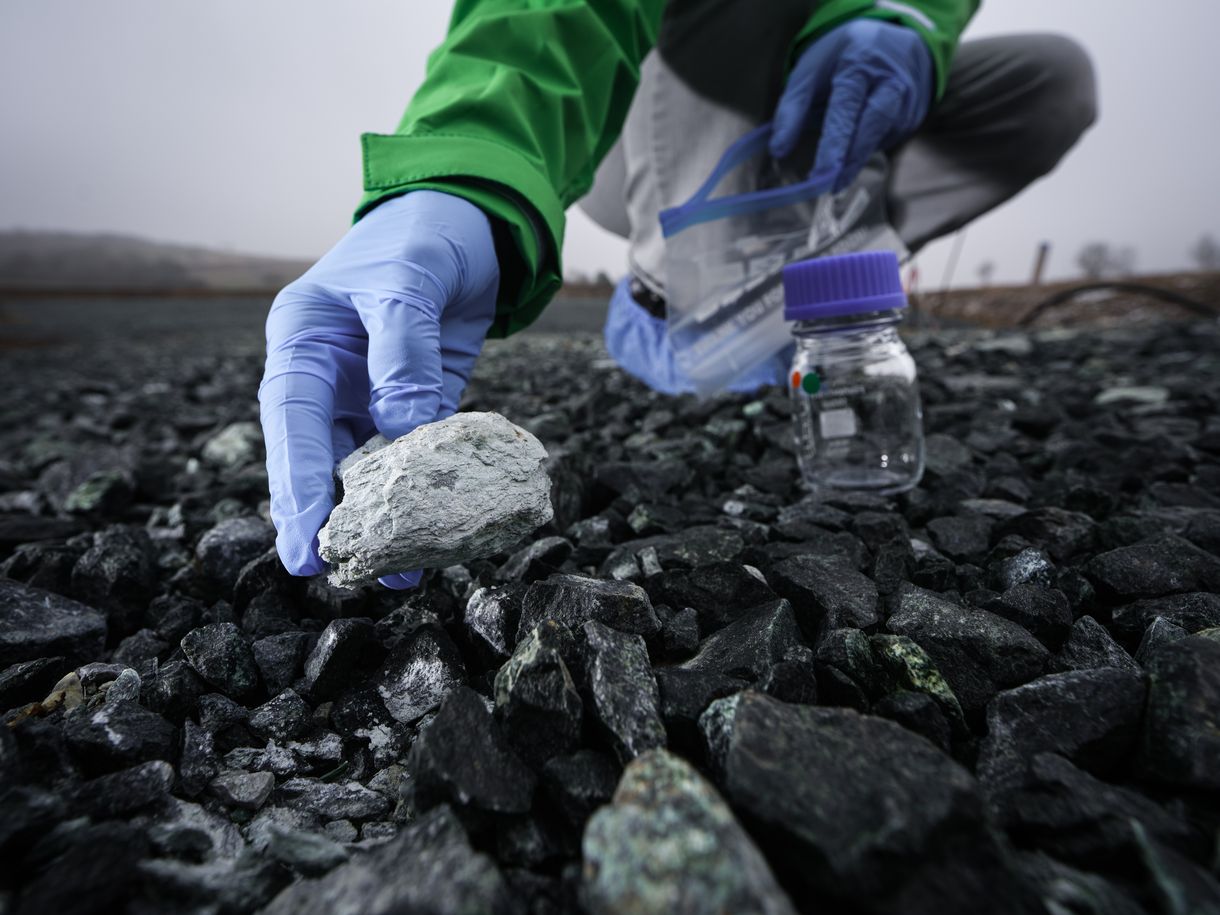
“On its own, it is just a piece of rock; it is the form that matters. It is a very fine fibre that can evade the body’s defence mechanisms and can therefore be a serious carcinogen,” he says.
“Like a snake, it enters the airflow and can travel down into the bronchi without being expelled. And because it is long, it cannot be properly ingested by phagocytes, which can lead to a permanent inflammatory state. A permanent inflammatory state can then, over time, develop into cancer.”
Tamás Weiszburg says that asbestos is a “slow killer”: asbestos-induced tumours can develop decades after inhalation of the mineral fibres.