The long-suppressed Tiwari Commission report on the 1983 Nellie massacre has finally been released, but early responses suggest it may ignite debate on demographic change rather than accountability for one of India’s deadliest episodes of mass violence.
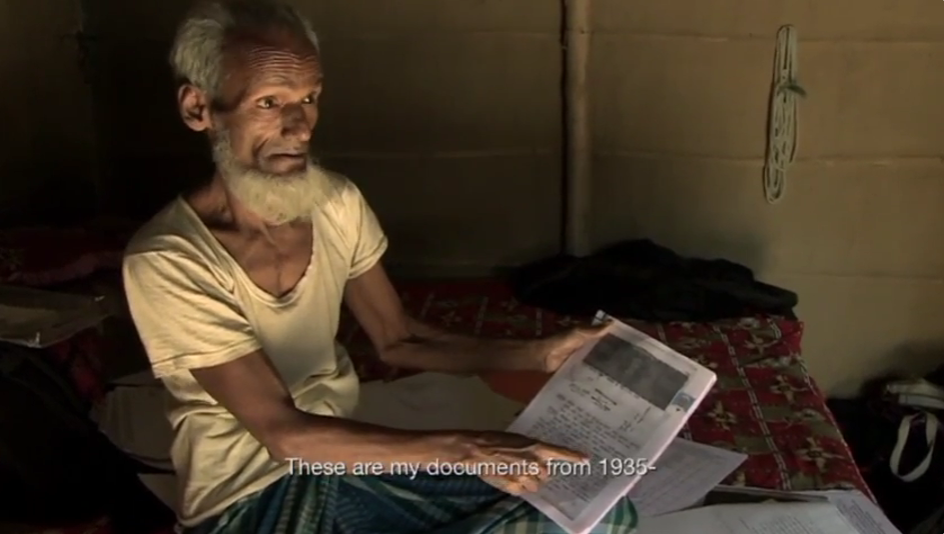
A survivor of the Nellie massacre shows his family’s land documents tracing their residence in the area back to 1935. This video interview is part of the documentary What the Fields Remember, directed by Subasri Krishnan. Photo: Subasri Krishnan/CC-BY
The long-suppressed Tiwari Commission report on the 1983 Nellie massacre has finally been released, but early responses suggest it may ignite debate on demographic change rather than accountability for one of India’s deadliest episodes of mass violence.
More than 42 years after the infamous Nellie massacre that happened in Assam in 1983, the state government on November 25 finally made copies of the Tiwari commission report on the incident available to legislators and the media. An unofficial report on the same incident, the Justice Mehta Commission report, was also simultaneously made public.
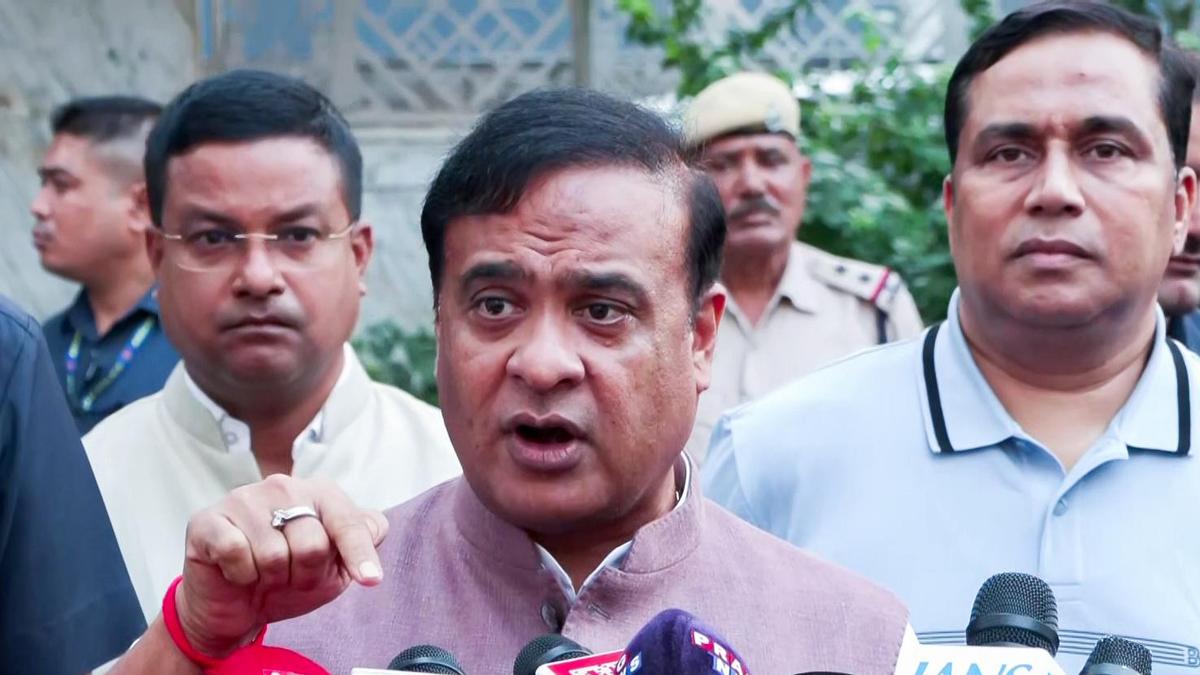
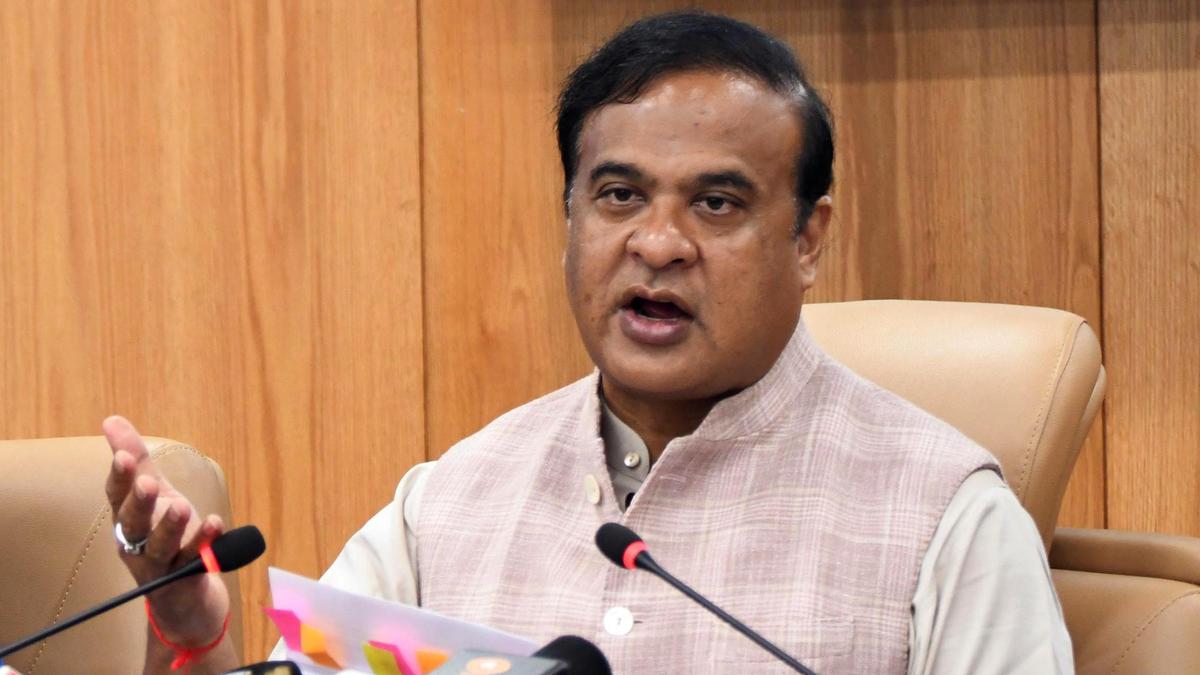
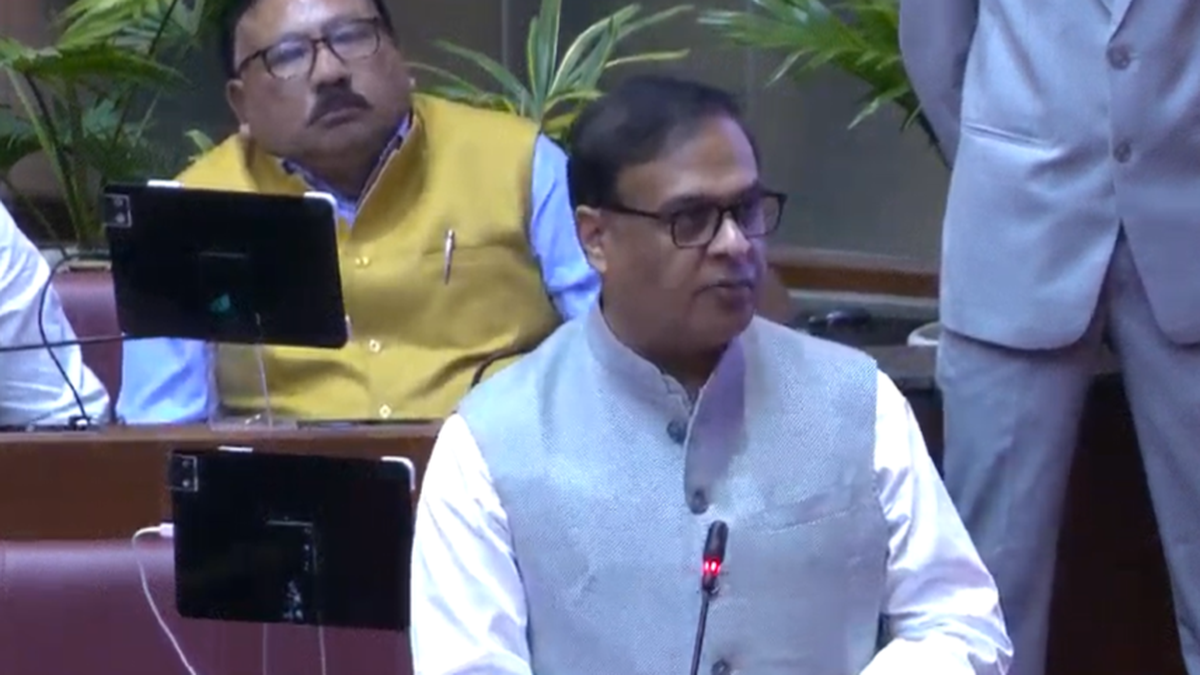
A statement made by Assam Chief Minister Himanta Biswa Sarma and subsequent media coverage of these reports in the local press indicate that the focus of the discussion will be on demographic changes in Assam rather than on the massacre itself.