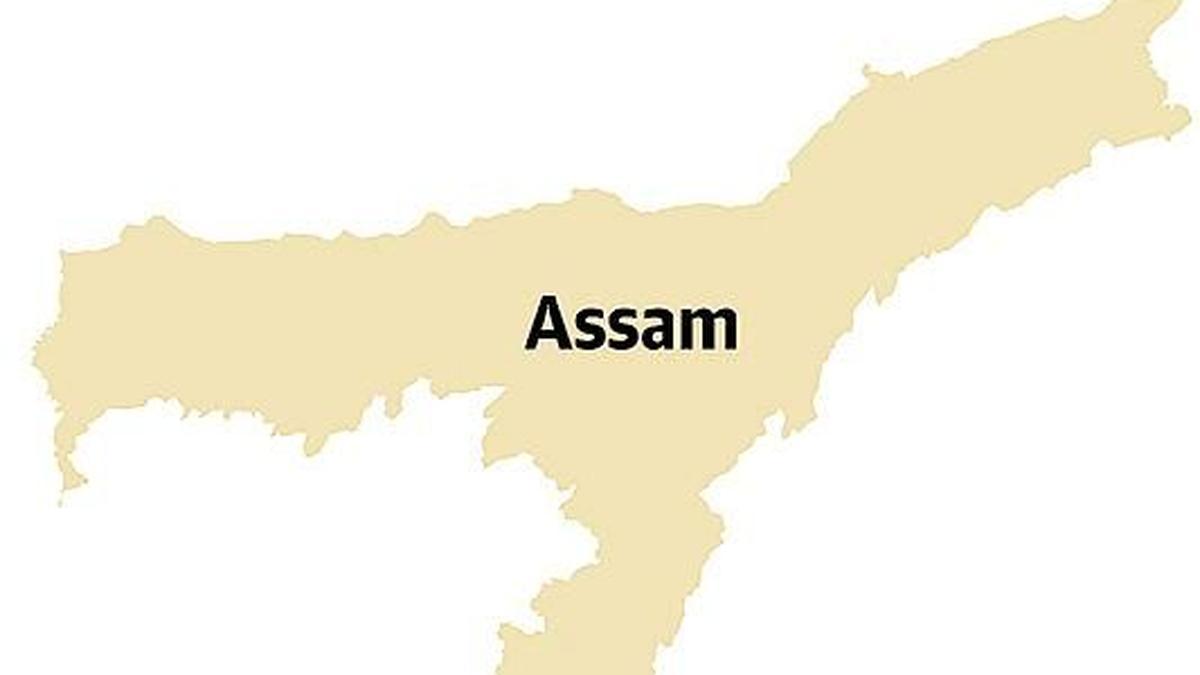
Decades after blood was spilt on the streets of southern Assam’s Silchar, a new academic study examines how language, power and identity converged to produce one of the State’s most volatile conflicts.
The study, published in Contemporary South Asia, analyses the 1961 violence to argue that the crisis was not inevitable but the result of political choices, policy failures and deep-seated historical anxieties. It contends that language in Assam has never been merely a means of communication but has functioned as a marker of belonging and, at times, a trigger for violence.
The authors of the study are Md. Chingiz Khan of the Centre for Comparative Religions and Civilisations at Jamia Millia Islamia, New Delhi, Ravi Shankar of the School of Global Affairs at B.R. Ambedkar University, Delhi, and Bharti Shokeen of Sri Karan Narendra Agriculture University, Jobner.
The study traces the flashpoint to 1961, when the Assam government amended its Official Language Act to recognise Assamese as the sole official language, while allowing limited use of Bengali in parts of the Barak Valley. The decision triggered widespread protests across the region.
Firing by security forces at demonstrators in Silchar left 11 people dead on May 19, 1961, a moment that remains deeply etched in the collective memory of the Barak Valley.