Electrogenic textiles contain bacteria that can break down waste and produce clean energy.
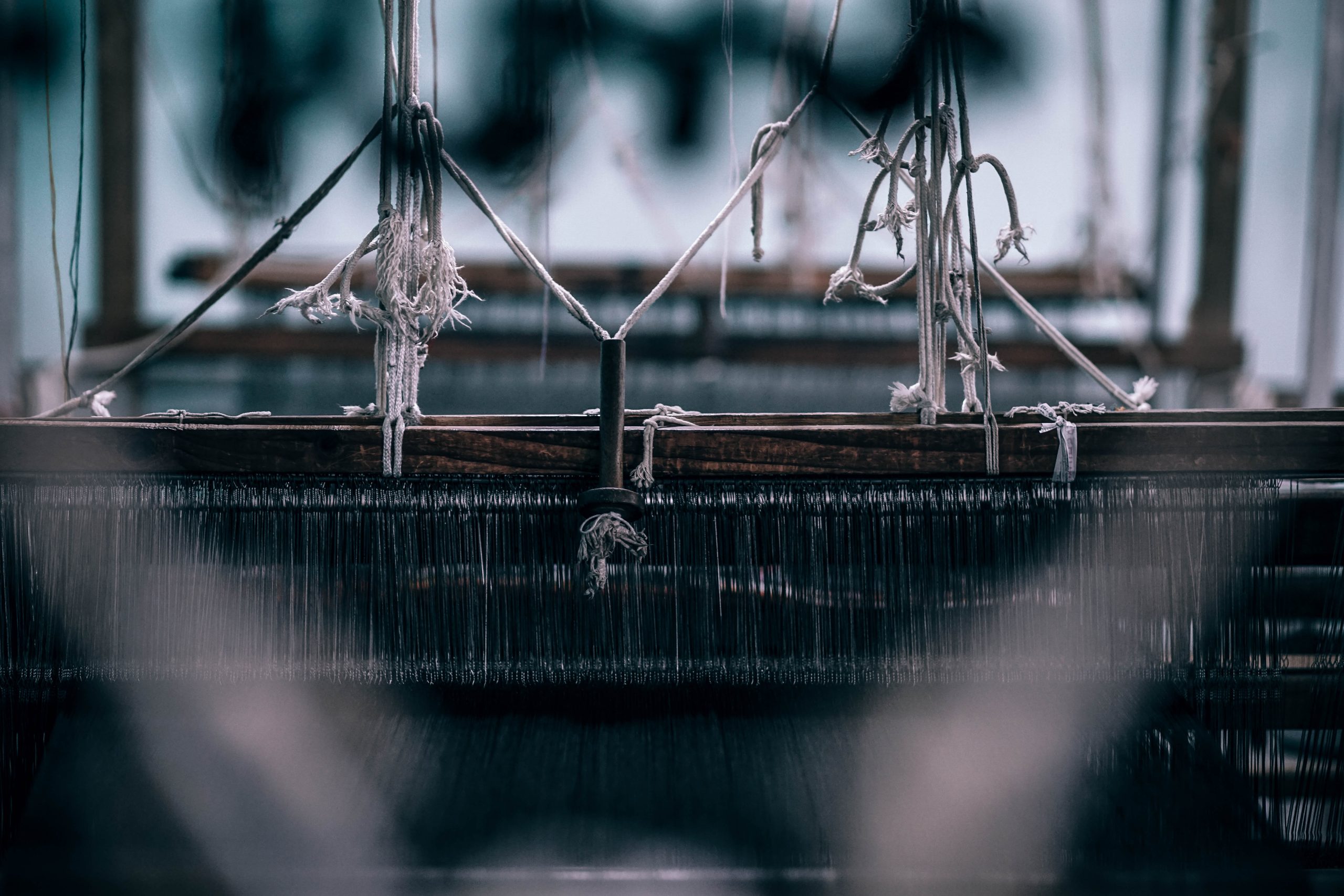
India’s textile industries produce millions of liters of wastewater daily. Smart fabrics can help clean the water, and produce electricity too. Photo credit: Igor Ovsyannykov/Wikimedia Commons
Electrogenic textiles contain bacteria that can break down waste and produce clean energy.
In the heart of India’s industrial hubs, a silent crisis flows through the waterways. Textile industries, the backbone of our economy, produce millions of liters of wastewater daily, laden with toxic dyes and organic pollutants such as methylene blue and congo red.
These dyes block sunlight, hindering photosynthesis in aquatic plants and depleting dissolved oxygen, leading to “dead zones” where fish and other aquatic life cannot survive.