Reports of lung disease, skin conditions and even cancer are rising in Panipat, which recycles 1 million tonnes of textile waste a year
T
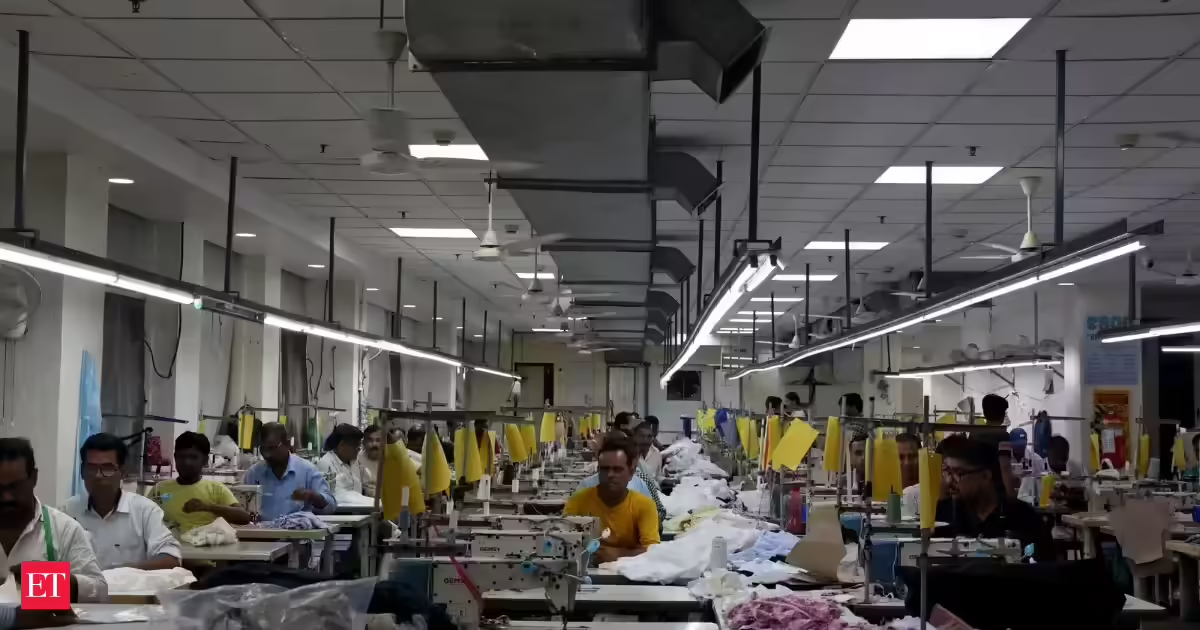
he air inside Panipat’s recycling factories is heavy with lint that glints in the light before settling over every surface like a film of dirty snow. At her work station, 27-year-old Neerma Devi cuts through collars and seams, tugging sleeves apart and feeding scraps of used clothes into a roaring machine. Each cut unleashes another cloud of lint into the room. Her dupatta is wound tightly across her face to stop her breathing in the fibres, but she says it does little. By the end of her shift, her chest is tight and her skin itches, and some nights she is left choking for breath.
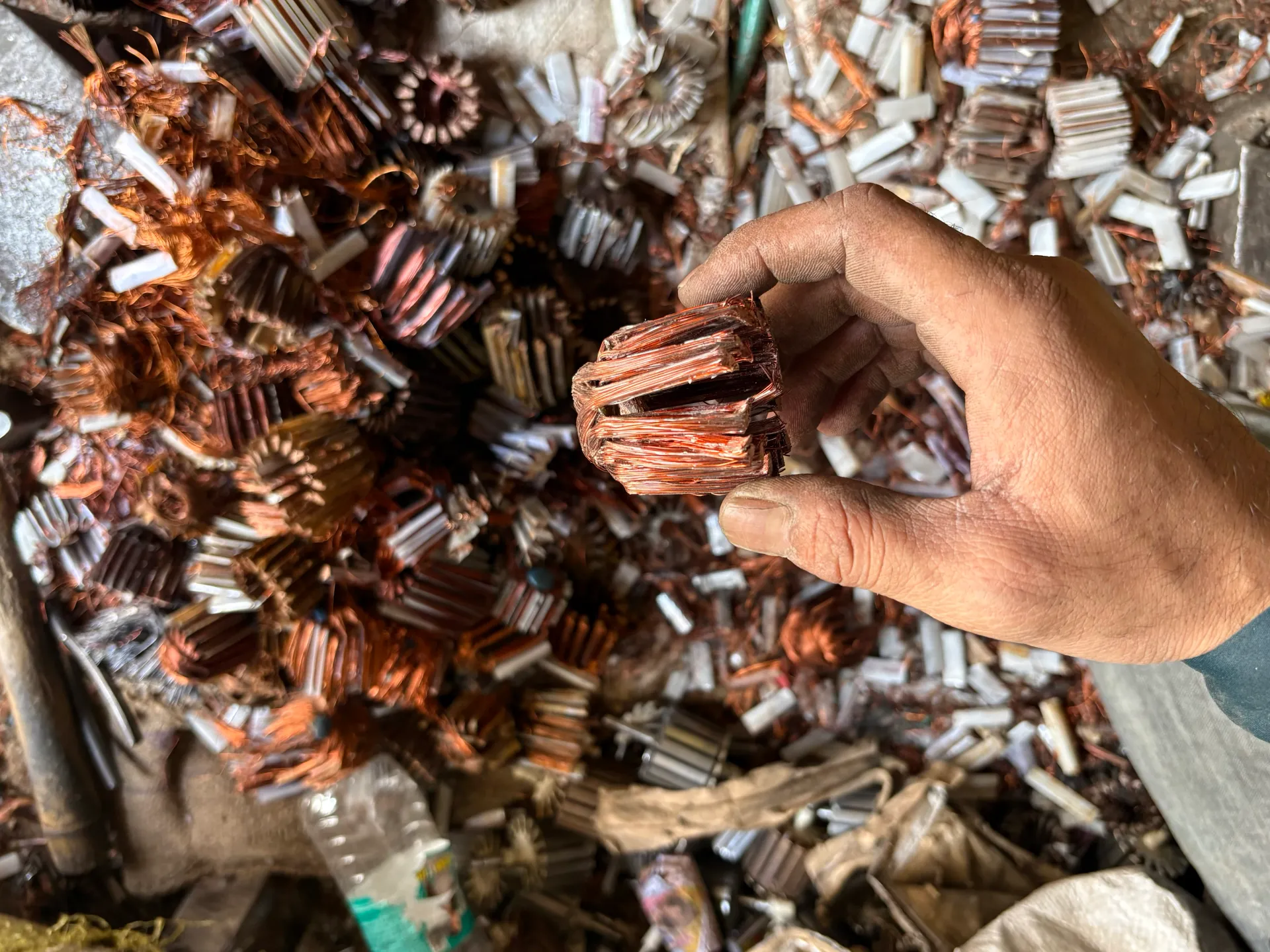
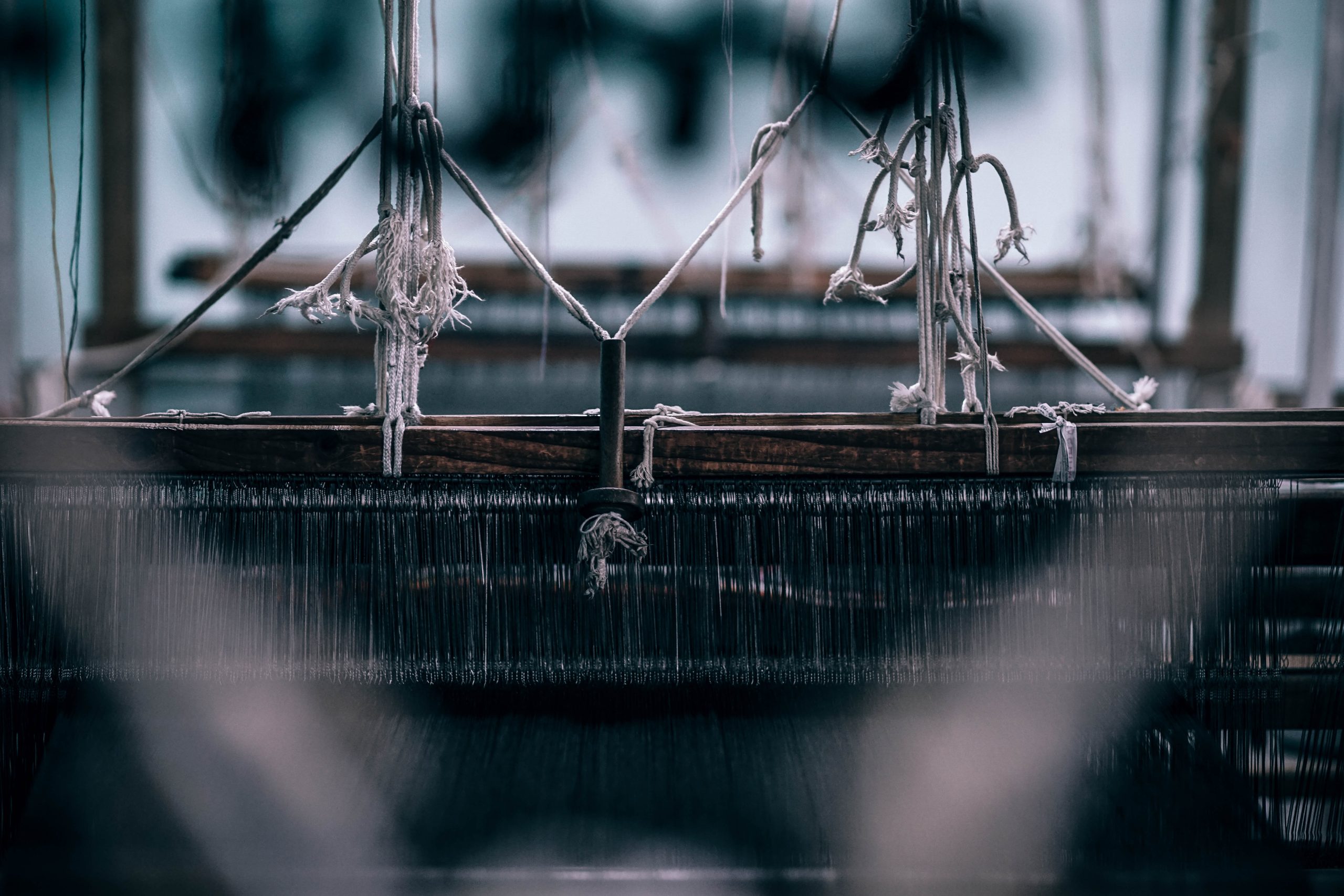
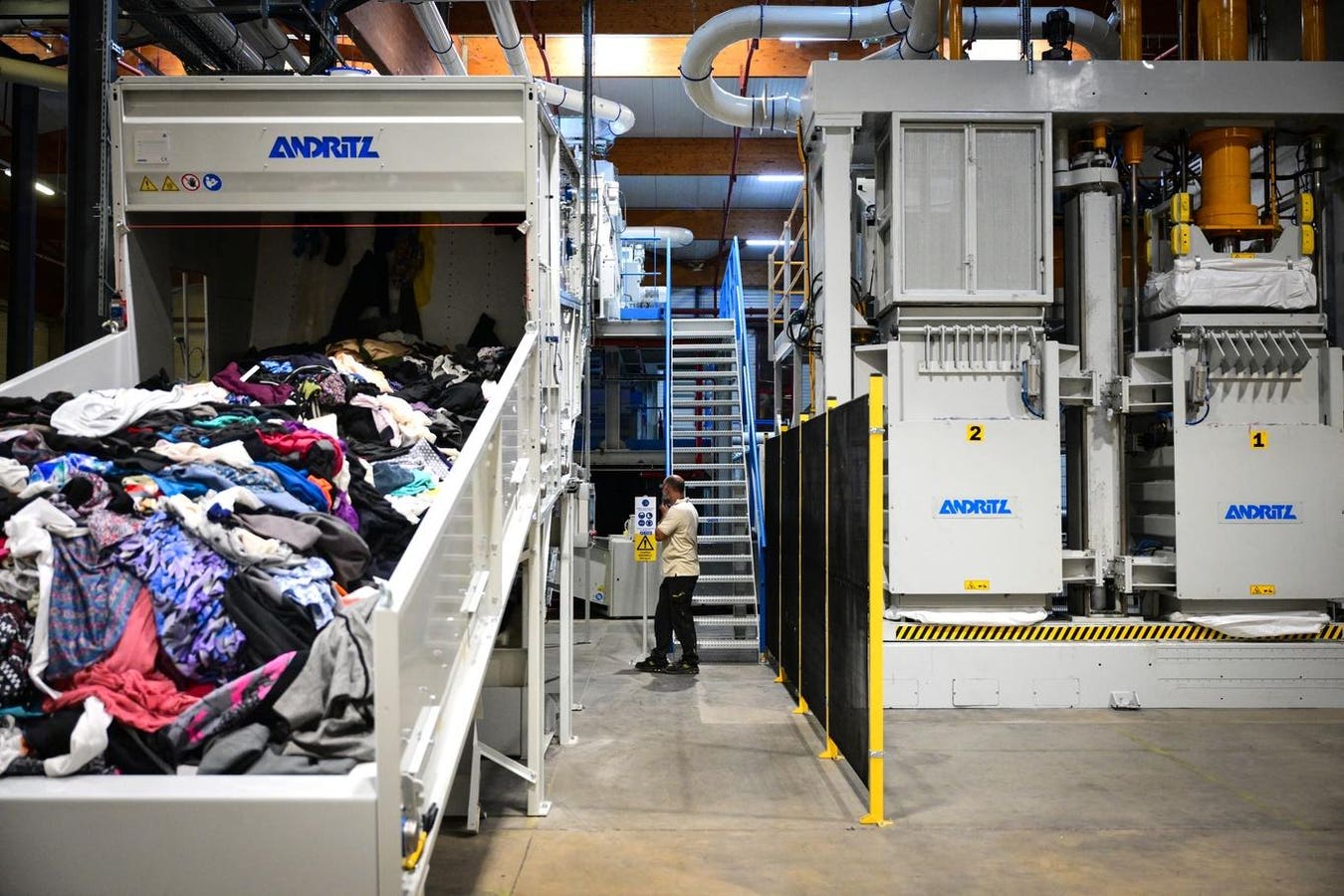
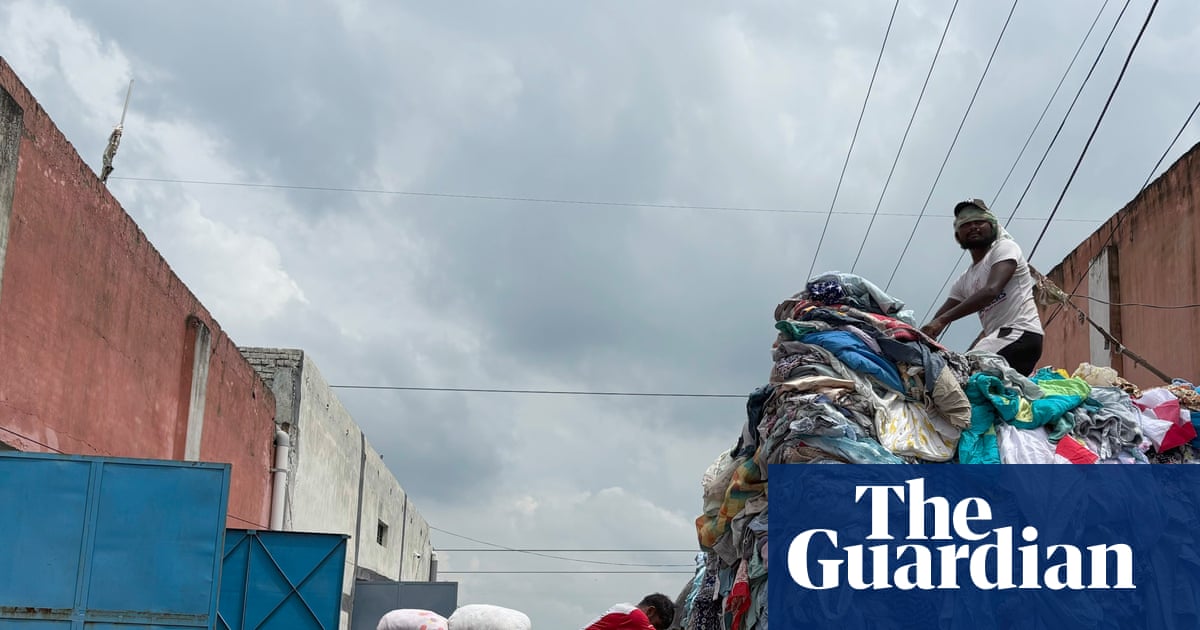
This suffocating world is the backbone of a global trade. Panipat, in north India, is known as the “castoff capital of the world”. Shipments of discarded clothing from Europe, North America and east Asia are shredded here by thousands of workers, spun back into yarn and woven into rugs, throws, sheets and cushions destined for international retailers.
Nearly six years ago, Devi left Hardoi, a town 300 miles away, and came to Panipat with her husband, lured by the promise of steady mill work. Today, she works six days a week, often with her young sons by her side due to the lack of on-site childcare facilities. But the clothes she recycles each day are making her sick. The coughing lingers long after she leaves the factory, and visits to the doctor have become routine. “The doctor tells me it’s because of all this dust I breathe every day,” she says. “He gives me medicine, but it only works while I take it. Once I stop, the coughing comes back. He says I should leave this work. But I can’t afford to.”