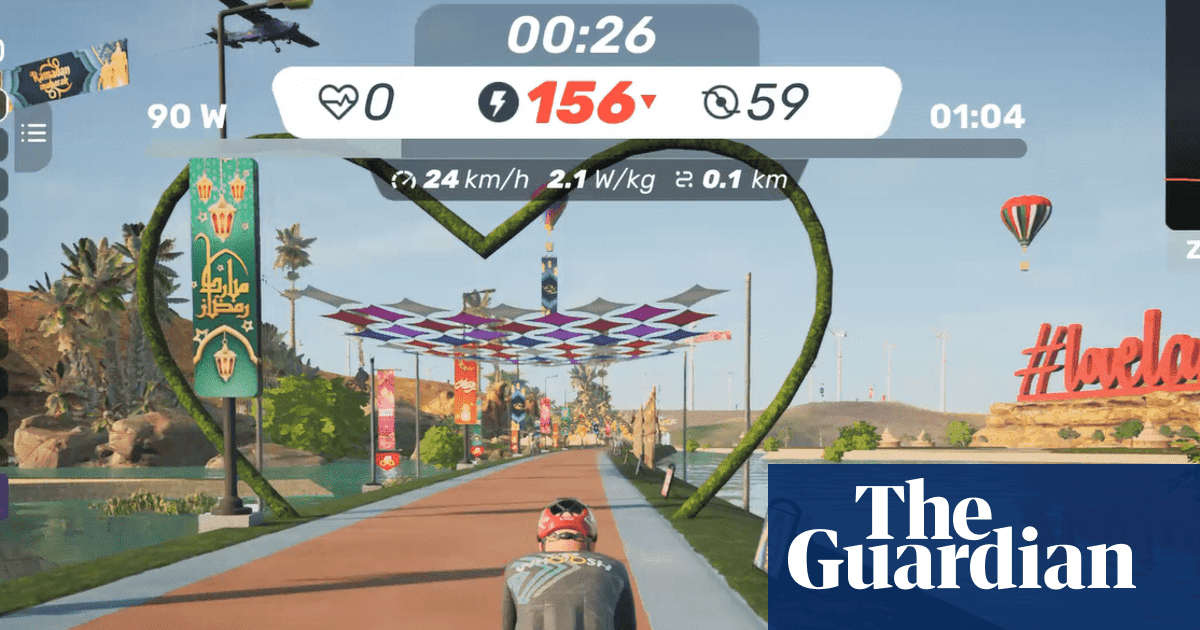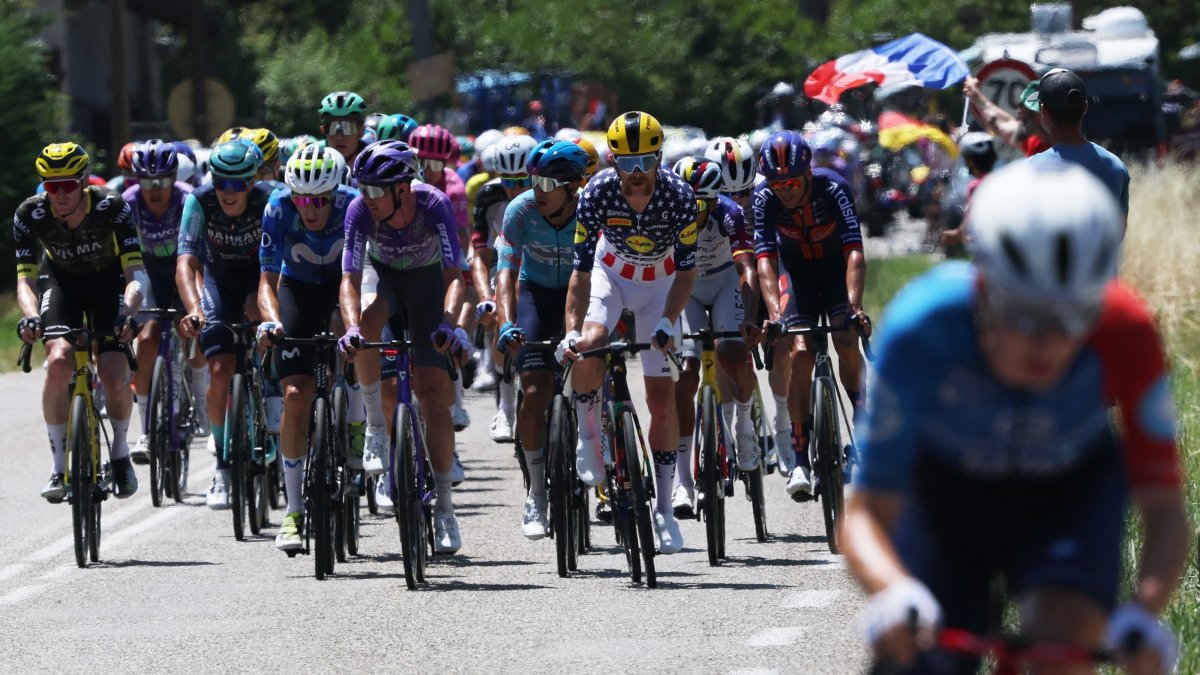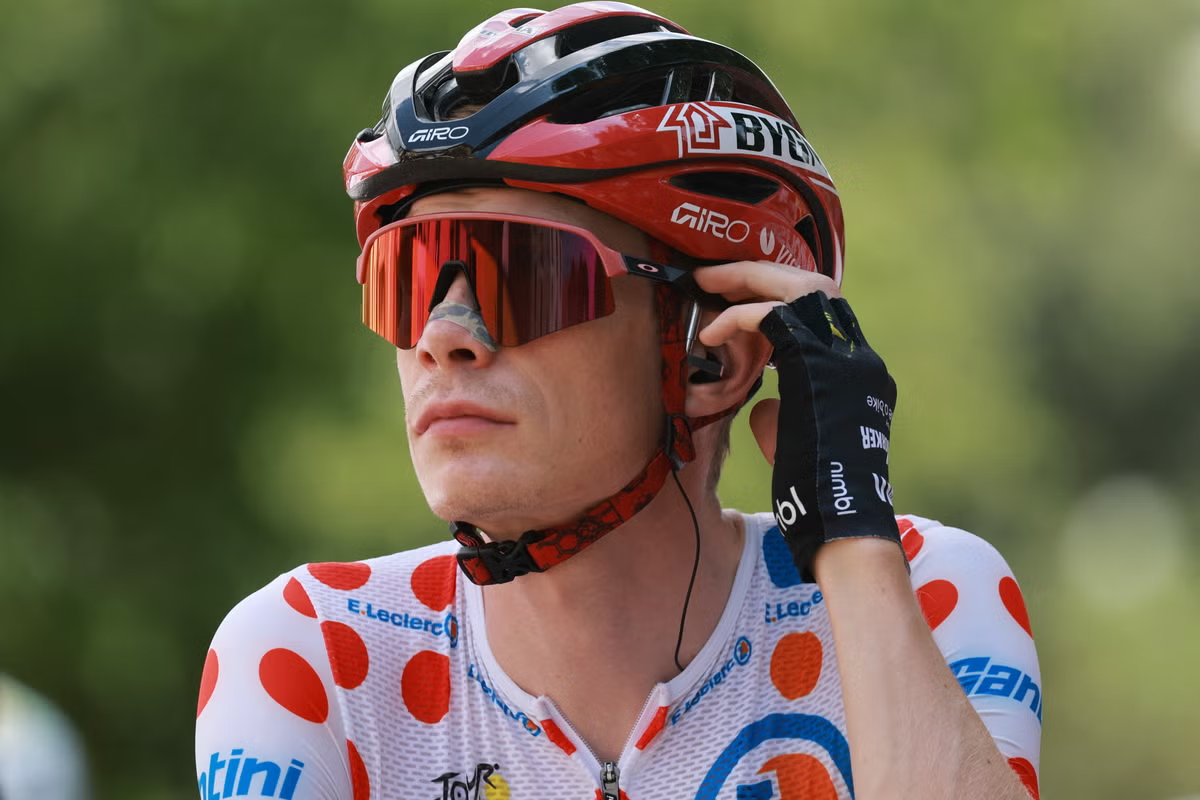
In cycling’s ongoing fight against doping, investigators are turning — with the blessing of several major WorldTour teams — to the very thing cyclists are most protective of to detect signs of possible cheating: their power files.The International Testing Agency (ITA), the body that oversees anti-doping controls for the Olympic Games and for over 80 sporting federations including the International Cycling Union (UCI), began a two-year feasibility study at the start of this season to determine if unusual spikes in a rider’s power data could indicate the use of prohibited substances.It is essentially the technological equivalent of the athlete’s biological passport (ABP) which monitors an athlete’s blood and urine levels over time. If biological markers differ from the athlete’s established normal range, it could represent the presence of doping products. The ABP was brought in in 2008 and has led to numerous sanctions of many athletes across a number of sports.Approximately 60 riders from five men’s WorldTour teams have been sharing their power data with the ITA in the past few months, with Visma-Lease a Bike and Decathlon CMA CGM among them. In Jonas Vingegaard and Paul Seixas, those two teams account for two of the big favourites for this year’s Tour de France, though it’s unsure who exactly from the teams is volunteering their data.Jayco-AlUla, Picnic PostNL Raisin and Cofidis have also given their consent, while Uno-X Mobility and second-tier team Tudor Pro Cycling recently agreed to join the trial period.Paul Seixas’ Decathlon CMA CGM team are taking part in the trial. (Jasper Jacobs / BELGA MAG / Belga / AFP via Getty Images)Ever since power meters became ubiquitous in the sport in the late 2000s, riders, teams and fans have obsessed over riders’ power-to-weight ratio, with higher watts per kilogram (w/kg) numbers typically representing superior performance — particularly on climbs.Using a relatively simple formula, one can estimate a rider’s w/kg — but on the whole teams and riders have been reluctant to make their power data publicly visible, often citing a fear of giving away team secrets to rivals.The ITA does not intend to make the data it collects public — it is private, after all — but to instead help its investigators to identify possible signs of doping that might not ordinarily be detectable in blood or urine samples.“The idea in the long-term is not to use power data to sanction an athlete — it’s not like the ABP that can be used to sanction — but to monitor the athletes and to inform anti-doping strategies, meaning targeted testing,” Olivier Banuls, the ITA’s head of testing, recently told The Athletic and Reuters at the ITA’s Clean Sport in Action Forum in Lausanne, Switzerland.“So if based on the (power) profile of the athlete we have identified some excessive performances in the past, if we have a (blood and/or urine) sample in long-term storage, we may re-analyse (those samples).“We may also identify some patterns in the team between colleagues, and that would be very helpful to initiate some investigations and gather intelligence. That’s the purpose of the project: to build a profile of the athlete.”The ITA is working in conjunction with the University of Kent and University College London, and there is a five-strong advisory committee monitoring its progress. Romain Bardet, twice a podium finisher at the Tour de France, sits on said panel.“This first year will help us to know whether or not we can use this data — we don’t yet know if we will be able to,” Banuls said.“If at the end of the year we say that yes it works, then we’ll be able to move towards the second phase which will be collecting this data from the athlete that will come on top of the historical data that we have collected during this feasibility study.”Banuls described it as a “pretty exciting project” but others are not so sure. Adam Hansen, the president of the rider’s union, the Professional Cyclists Association (CPA), has been very vocal about his opposition to the project.Hansen, who was most known as a rider for riding a record 20 consecutive Grand Tours, has questioned what definitive conclusions can be drawn from collecting a rider’s power data given the many variables of any training session or race.The Australian has suggested that the ITA would need access to a rider’s complete training schedule, as power data wouldn’t be the same during a recovery week as it is during a week focused on intense efforts. Similarly, the ITA might not know if an athlete was ill — another factor among many which influences a rider’s power.Hansen has also highlighted the inaccuracy of power meters, with all models — whether from Shimano, SRM, Garmin, Wahoo or whoever else — susceptible to giving readings that can be up to 10 per cent above or below real values.There is no standard power meter in cycling, and outputs from different manufacturers can vary. (Elsa / Getty Images)Pavel Sivakov of UAE Team Emirates-XRG has lent his voice to the opposition, telling Cyclingnews that “if someone is good in training, it doesn’t matter — it only matters in races. If a guy is suddenly performing out of their normal range, you see it during the race; you don’t need power files to see that kind of stuff.”The Frenchman, who is one of a few elite level pros who regularly shares his power data on Strava, added: “It’s not like we’ve got something to hide. I think they’re looking in the wrong place. There are better issues to think about in cycling at the moment.”Responding to critics, Banuls said: “There are many questions, confounding factors, racing data, training data, and the reliability of the data might be stronger in a race than training for many reasons that Adam Hansen has raised,” he said.“But this is the purpose of the project and at this stage we’re just analysing whether or not we’d be able to use it in the future.”Nevertheless, Hansen strongly suspects that both the ITA and UCI will make the power data passport project mandatory for all, and Banuls confirmed that such a decree could be sanctioned in just 18 months’ time.“If it works then the idea that we have envisioned is that it will be approved by the liaison committee of the UCI to have it live as of 2028,” Banuls said. At the start it would only apply to men’s WorldTeams and ProTeams, but eventually it would incorporate the women’s professional peloton.In recent months, suspicions about doping in cycling have risen for a number of reasons, including the revelation that Pepe Martí, a former coach with Lance Armstrong’s US Postal team and who was sanctioned for 15 years, had been coaching the father of UAE rider Marc Soler. There was no indication that Soler was also being trained by Martí.Banuls would not be drawn on Martí, nor the Netcompany-Ineos head carer David Rozman who it was revealed last summer they had been investigating, after it became known he had been in communication with the disgraced doping doctor Mark Schmidt around the time of the 2012 Tour de France that was won by Team Sky’s Bradley Wiggins.Speaking more broadly about the current state of anti-doping within cycling, Banuls acknowledged the fear that riders are potentially abusing substances and products in the so-called grey area, but was reasonably confident that the ITA was fulfilling its remit to protect clean sport.“Of course at the Tour de France we haven’t had any AAFs (adverse analytical findings – a positive test) for a while, but there have been some cases (away from the Tour),” he said.“We are not blind: we are not saying it’s not because there are no AAFs or ABPs that there is no doping. We don’t say that. What we say is that there are still cases that have been reported meaning that we are catching some cheaters.“Again, we are not naive, but we are doing the best possible job to protect the sport and clean athletes. We also shouldn’t forget the deterrence effect of the program… and that’s absolutely necessary because if you stop testing today then the situation would be dramatic.”
Why analyzing riders’ power data could be cycling’s new weapon in the fight against doping
Several major WorldTour teams are giving access to their riders' power data in a trial designed to highlight anomalies in their output
1,354 words~6 min read