By
Updated on: May 15, 2026 / 2:47 PM EDT
/ CBS News
Add CBS News on Google
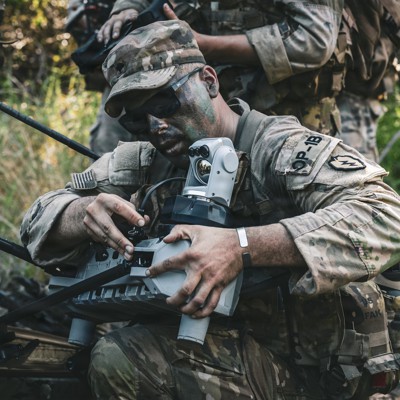
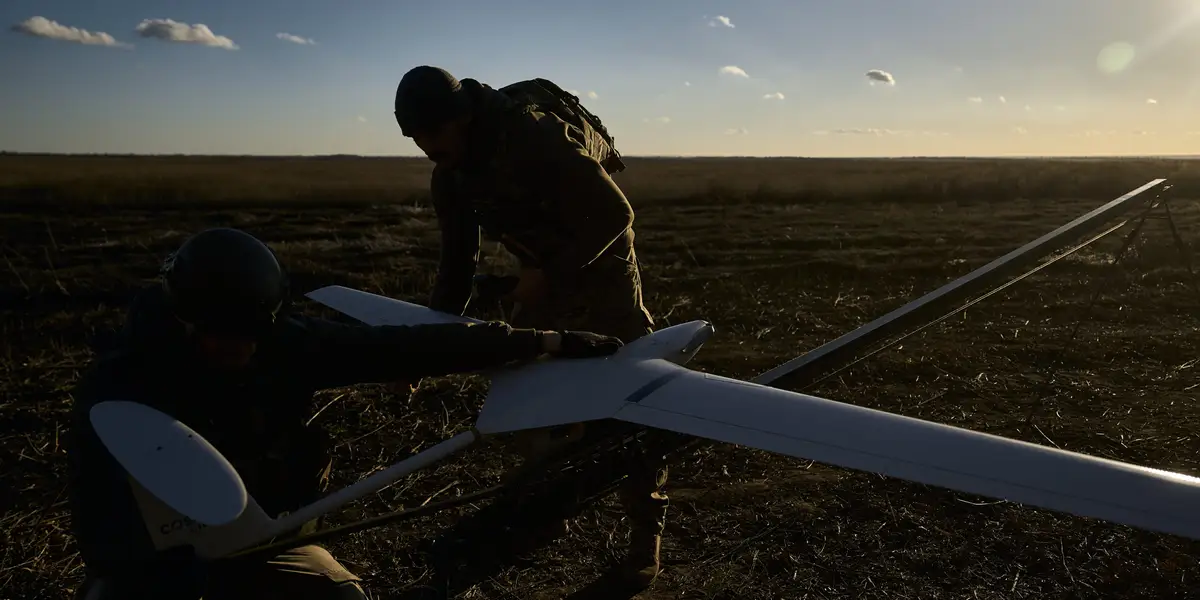
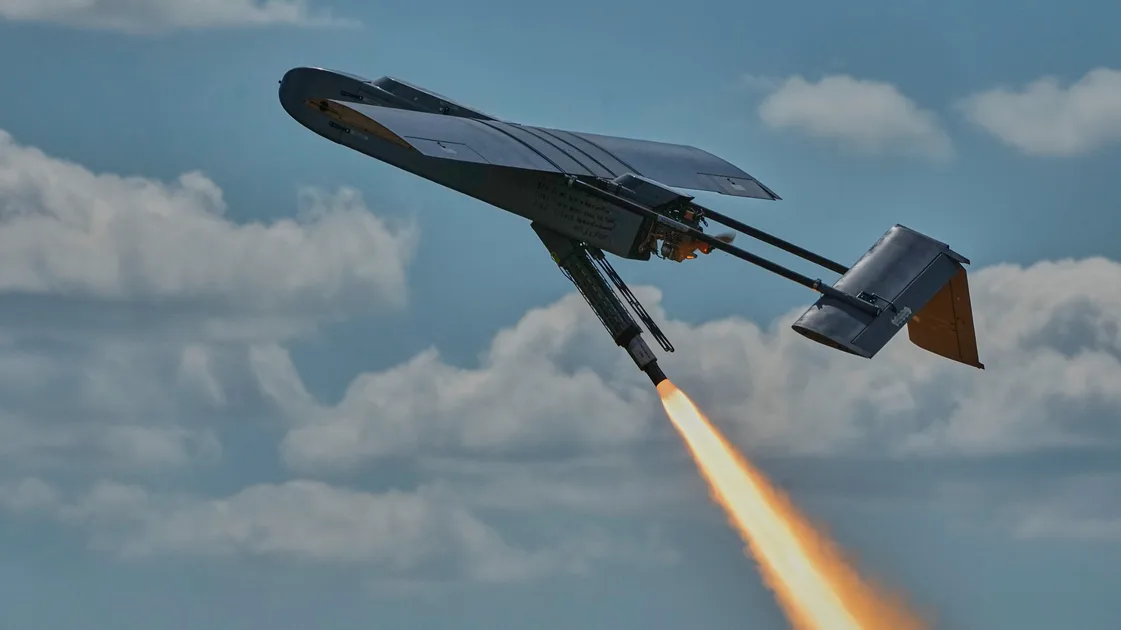
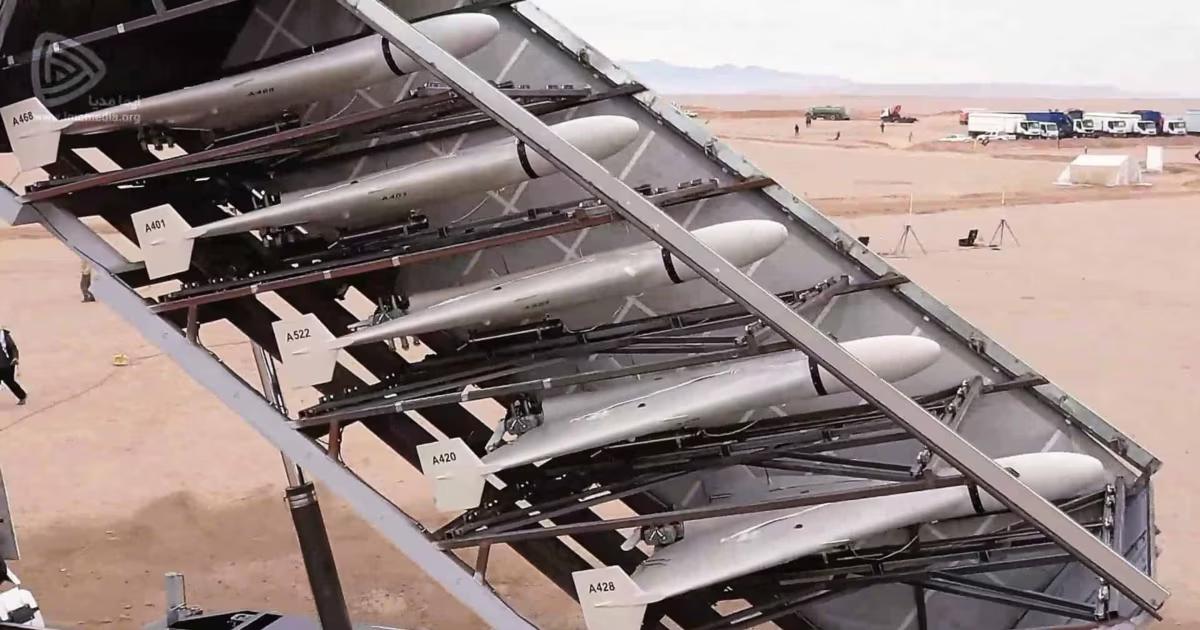
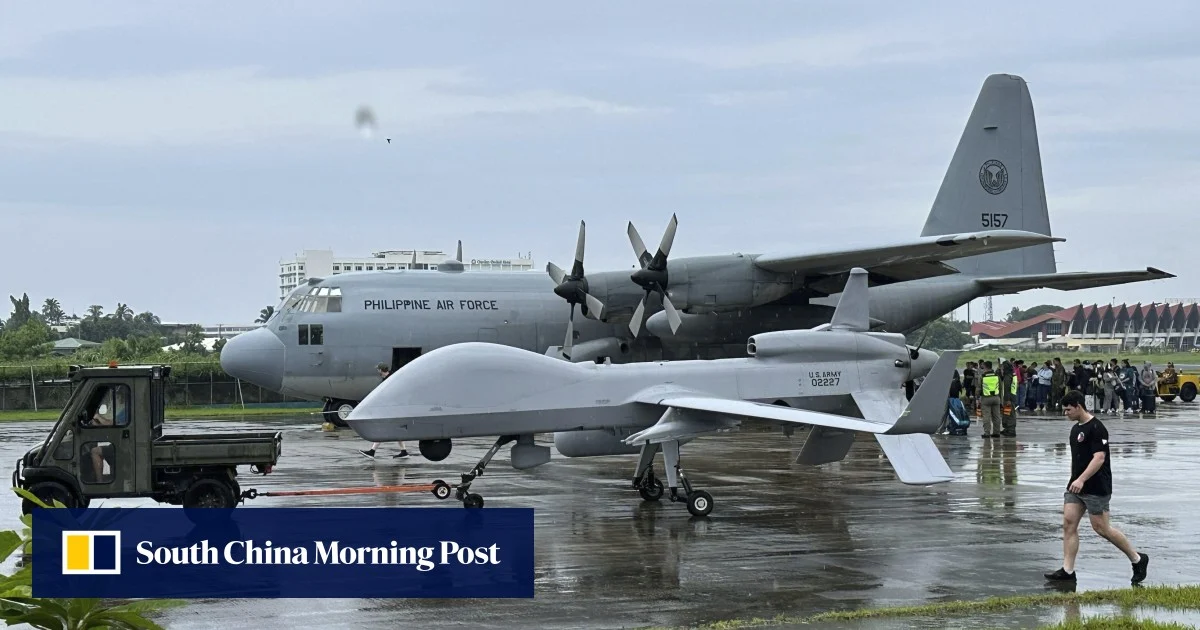
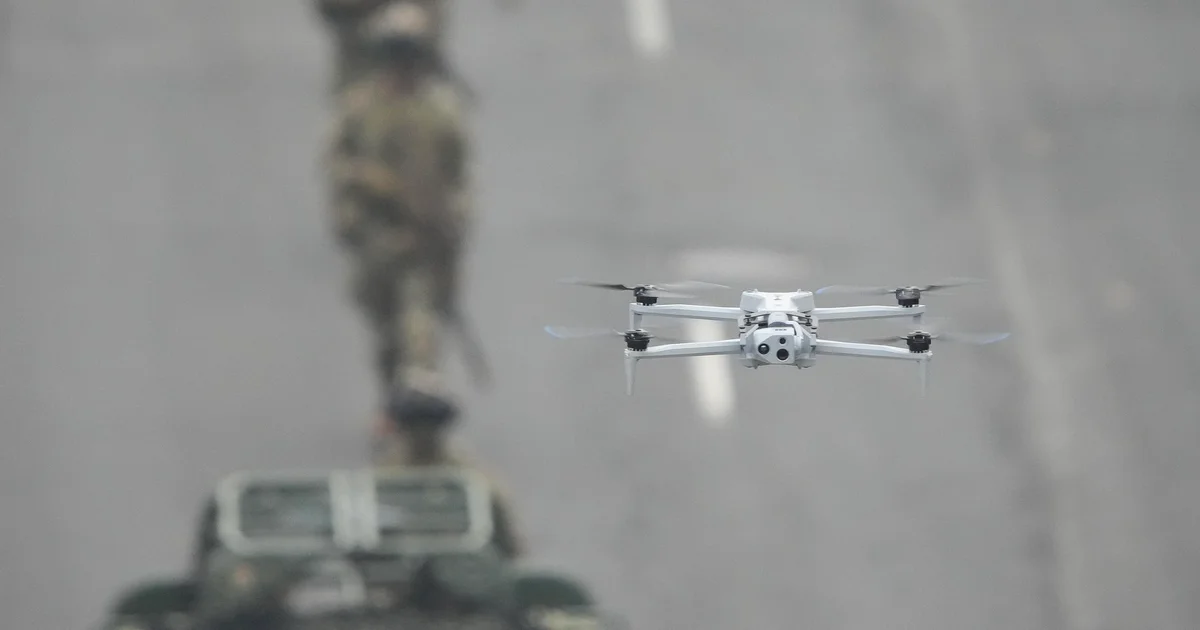
Washington — As the U.S. military races to adapt low-cost, expendable drones for battlefield use, an Army explosive safety specialist warned that the Defense Department's rush to innovate may be outpacing basic explosive safeguards, raising the risk of accidents. The assessment was tucked inside a memo obtained by CBS News detailing how a mini-drone had detonated, causing injuries to an Army Special Forces soldier. In a March memorandum, a civilian U.S. Army employee — with more than 20 years of experience in uniform and as a civilian employee evaluating and monitoring safety experience in the service — cautioned that while U.S. Army Special Forces units are adept at improvising solutions in the field, the broader drive to counter unmanned aerial threats has imposed pressures that could undermine long-established safety standards. "We fully understand [Special Forces]'s ability to innovate and create tactical solutions to accomplish a mission set [or] task," the memo states, but it goes on to say that the safety specialist believes that the Defense Department "is in such a rush to solve future and enduring threats related to [unmanned aerial systems]" that "basic explosive safety principles are being ignored," and "will ultimately lead to a greater risk associated with mishaps [or] accidents." Drones have been used for decades by the U.S. military, particularly during the wars in Iraq and Afghanistan. But the Russia-Ukraine conflict has dramatically expanded the battlefront for drone warfare, and what has emerged is the understanding that the U.S. military will need to find a way to quickly and cheaply scale up its production of lethal drones. Late last year, the Pentagon requested information from the defense industry to gauge its "willingness and ability" to make roughly 300,000 drones, following President Trump's executive order calling for more unmanned aircraft systems to be produced. The March assessment was written by an explosive safety specialist with the command safety office at Fort Polk in Louisiana, where the Army's Joint Readiness Training Center is located. The memorandum was sent by the specialist to the director of safety at U.S. Army Special Operations Command at Fort Bragg in North Carolina.