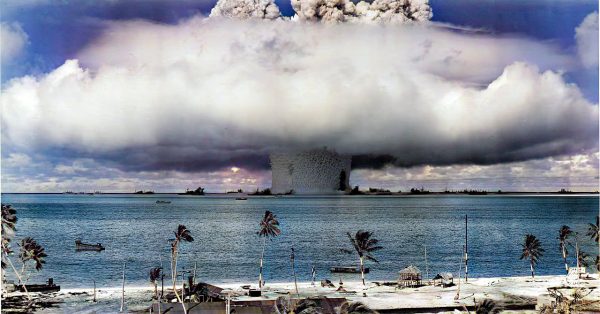
For more than 50 years, the Nuclear Non-Proliferation Treaty (NPT) has stood between the world and nuclear chaos.
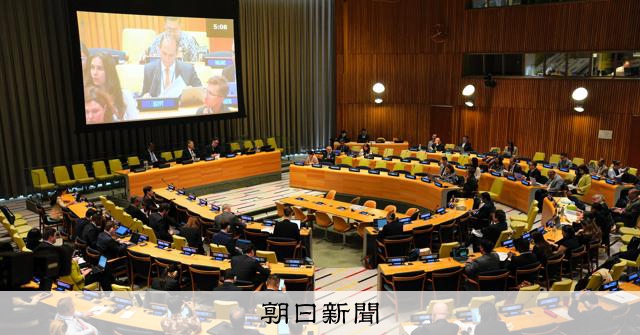
At a moment of unprecedented strain on the global nuclear order, diplomats are meeting in New York to review the treaty’s three pillars – nonproliferation, disarmament, and peaceful uses of nuclear energy – and to seek agreement on forward-looking steps to strengthen the regime. Yet with regional conflicts raging, key arms control agreements lapsed, and nuclear-weapon states actively expanding and modernizing their arsenals, even modest progress seems unlikely.
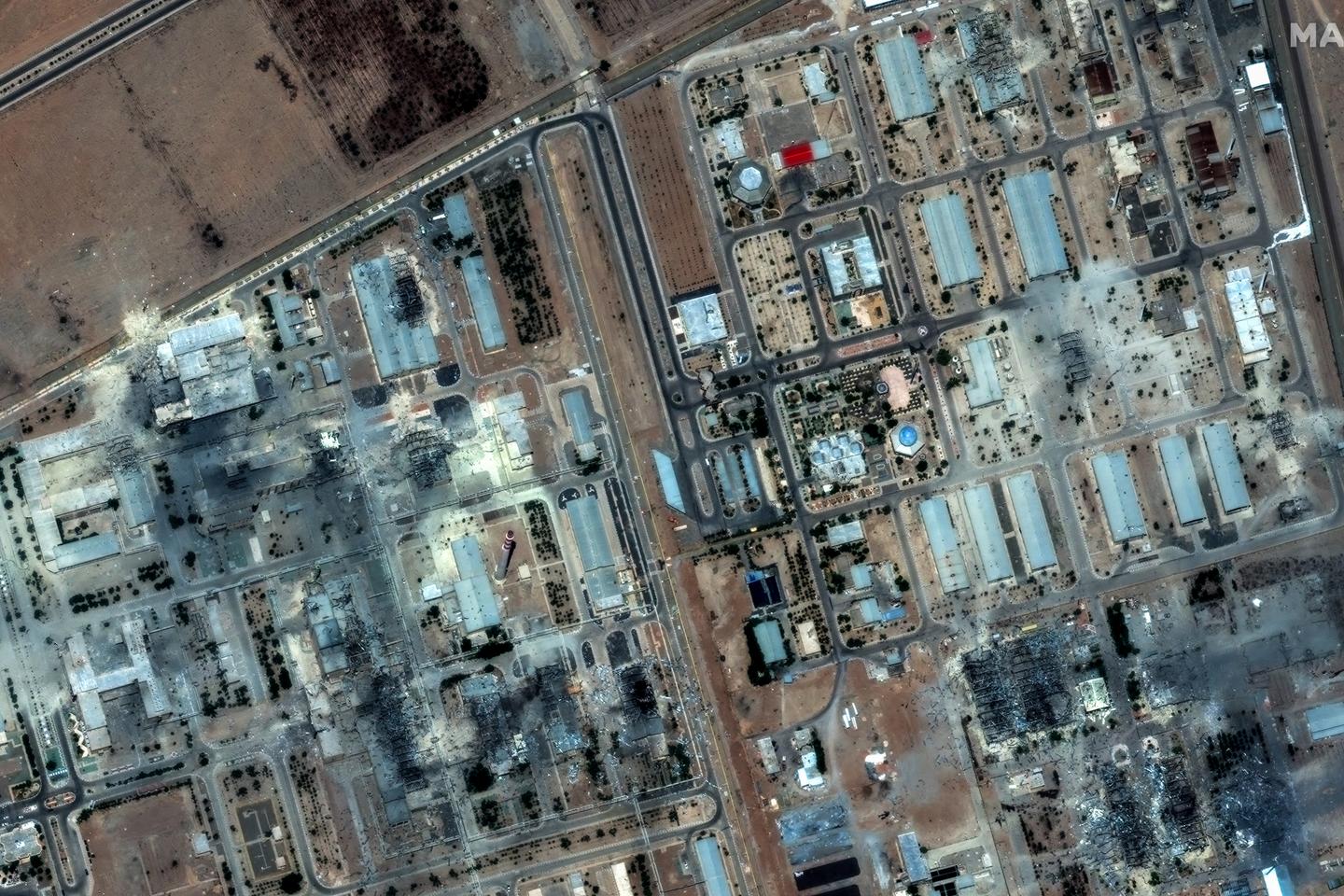
The NPT is under significant stress in five key areas: 1) the debate over U.S. and Israeli strikes to prevent a nuclear Iran; 2) the unwinding of great power restraint, as a rising China, belligerent Russia, and assertive United States compete for nuclear advantage; 3) uncertainty in Europe and Asia over the credibility of the U.S. nuclear umbrella; 4) a nuclear-armed Russia’s war against non-nuclear Ukraine; and 5) the further spread of nuclear fuel-making technologies that could be repurposed for nuclear weapons.
It is squarely in the U.S. national interest to spearhead tangible progress on these challenges – both at the conference and beyond.