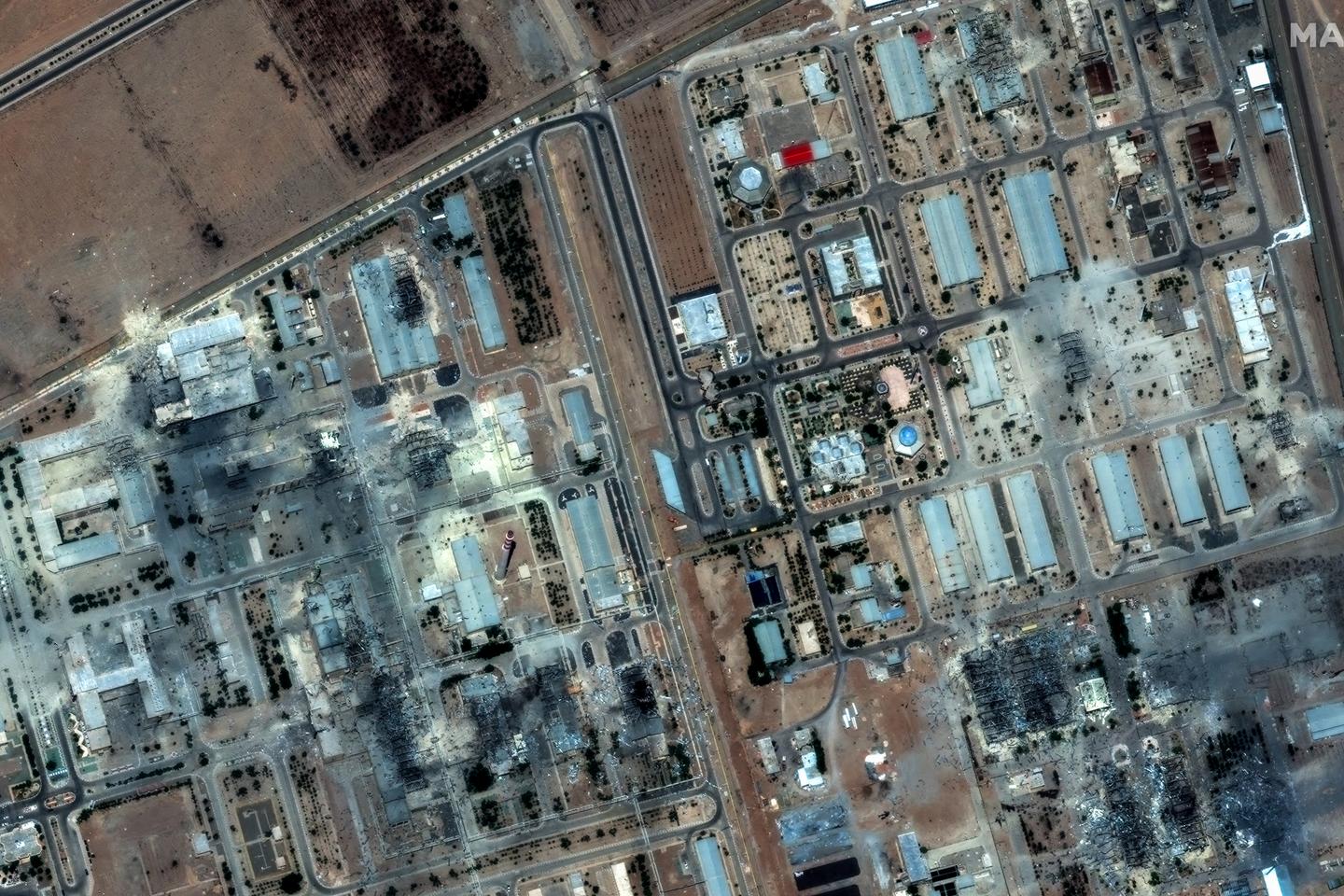
In this satellite image, the damage caused by US strikes on the nuclear enrichment site in Isfahan, Iran, on June 22, 2025. AFP/MAXAR TECHNOLOGIES
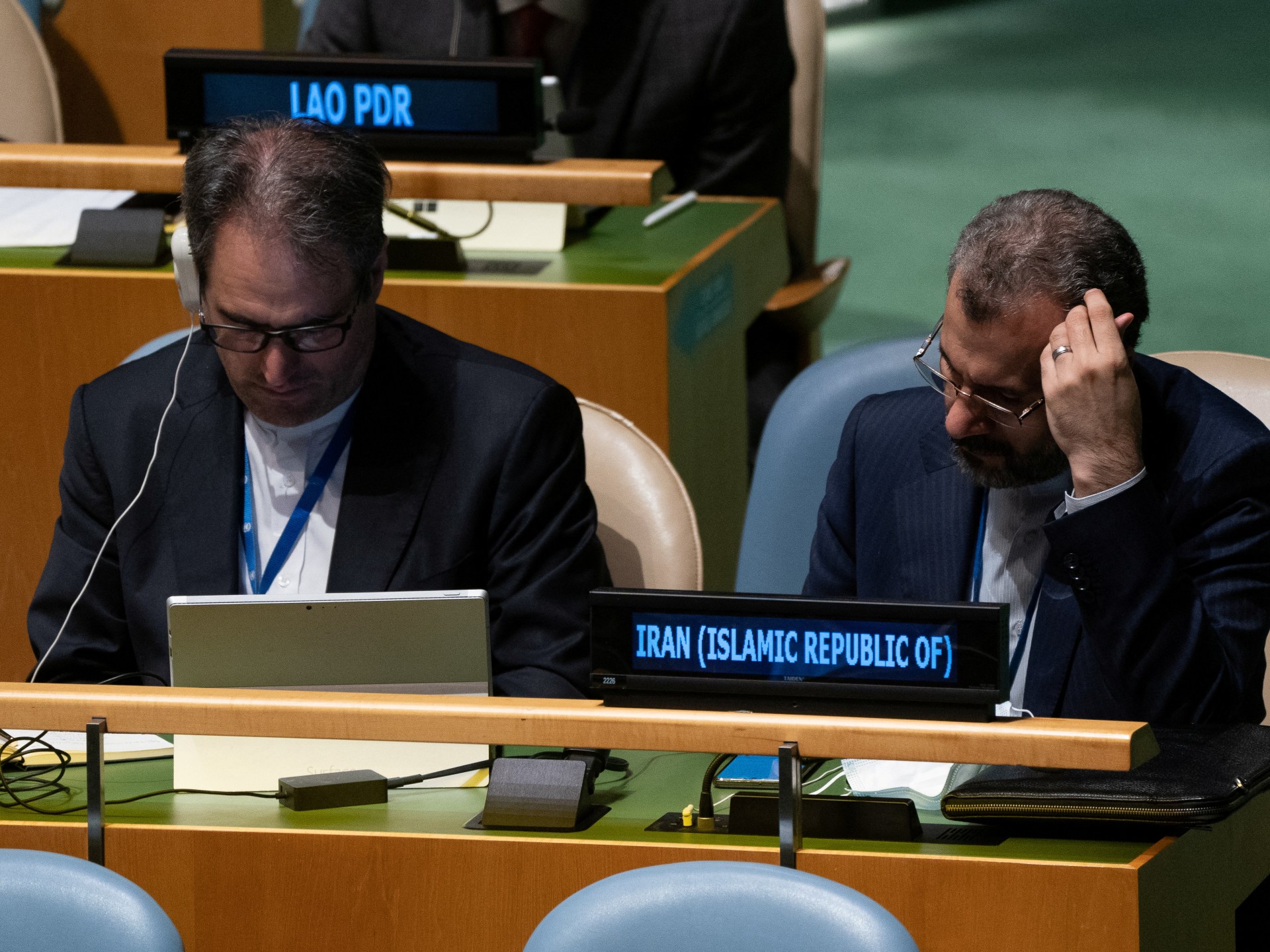
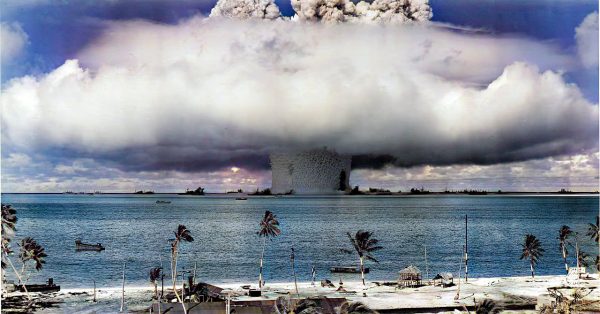
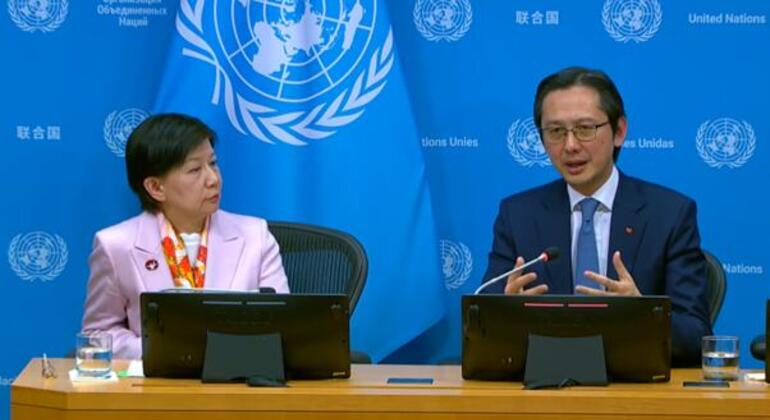
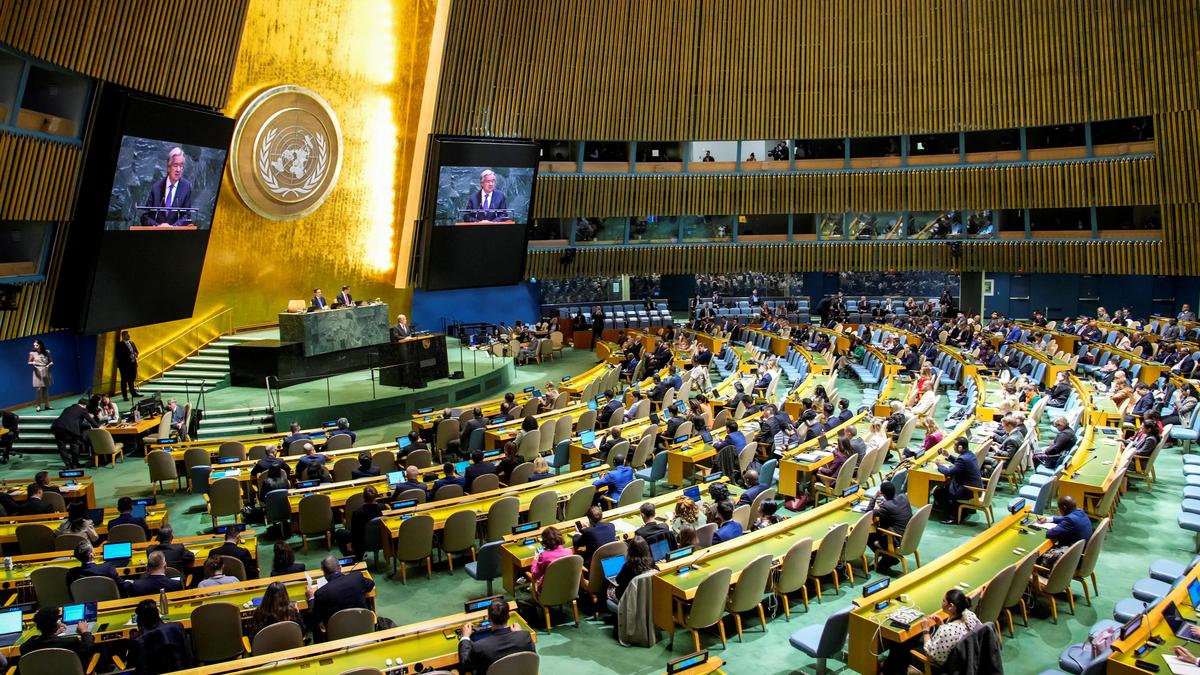
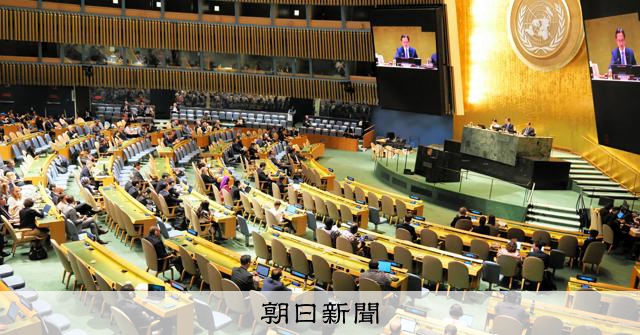
On Monday, April 27, in New York, the 11th Review Conference of the Treaty on the Non-Proliferation of Nuclear Weapons (NPT) is set to open for a month. This major gathering for international diplomacy only occurs once every five years. Previous editions have often unfolded in relative indifference. But with the unrestrained return of the nuclear arms race, this review of the 1970 treaty – signed by nearly every country in the world, a total of 191 states – is taking place in an exceptional context.
"Even if we try to stay positive, there is a risk that, as so often happens, it will be a giant diplomatic bubble. A kind of cloud floating above strategic realities," predicted Benjamin Hautecouverture, research fellow at the French Foundation for Strategic Research. "There is a risk of implosion," he added.
Since it entered into force, the NPT has already gone through turbulent periods. Notably in 2003, when North Korea withdrew from the treaty and officially began building its nuclear arsenal. Rapidly growing, that arsenal is now estimated at "several dozen" warheads, according to the most recent figures released on April 15 by the International Atomic Energy Agency (IAEA). "For 25 years, people have been saying the NPT is going to die. But it's weathered worse," said Hautecouverture. "On the other hand, the question of its usefulness is being raised more and more by all the countries that see it falling apart year after year."