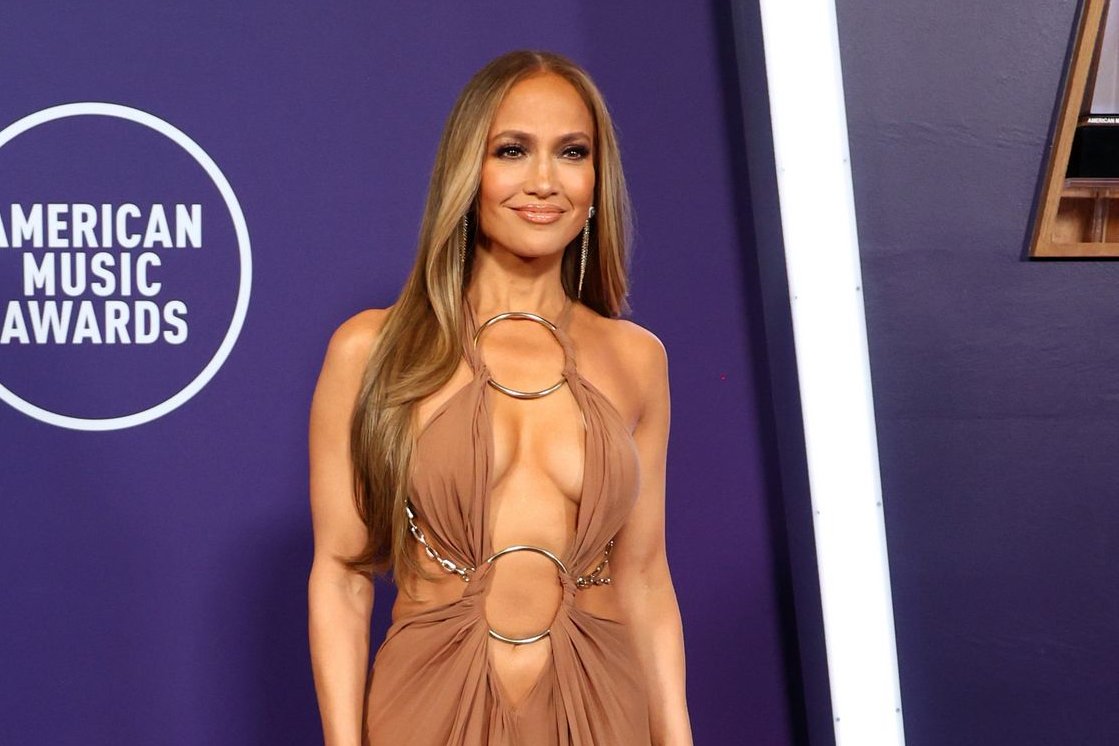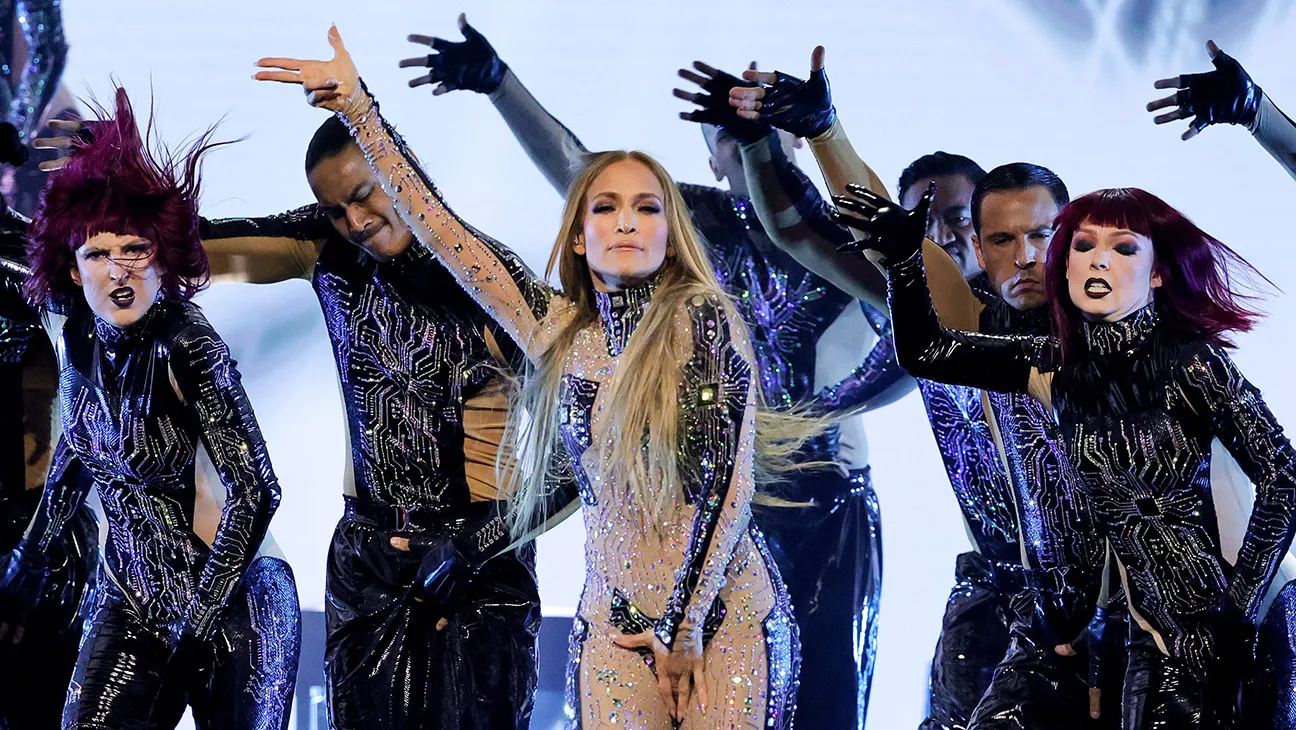
The first time I saw the American Music Awards was in Tehran, Iran, in 1984. The ceremony had been taped off the television broadcast. It made its way to me via a staticky bootleg Betamax brought to our home by a low-profile but friendly gentleman, concealed in an unmarked briefcase.
This was the only method of pop culture consumption post the 1979 Islamic Revolution, which banned music — particularly Western music — in all forms. Besides albums dubbed onto cassette tapes and Top of the Pops episodes recorded off the BBC, there was little music content available, almost all of which came from Europe. To see an actual awards show from the U.S. was a very different experience.
How glamorous everyone looked, how exciting it was to hear them speaking when they accepted their awards, how fun it was to watch the artists interact with each other on stage. It was an exceptional year for music, dominated by Michael Jackson’s Thriller. Best of all for me was a performance by my favorites, Culture Club, beamed in from London. The AMAs sizzled, attracting over 40 million viewers.
The following year, the AMAs were the sourcing ground for talent who participated in the vocal recording for “We Are the World.” Post-ceremony, many of the winners and nominees made their way to A&M Studios (now Chaplin Studios) in Hollywood for the session. Among them was two-time AMA host Lionel Richie — who, in the Netflix documentary about the song, The Greatest Night in Pop, says he chose that date specifically because of the talent he knew would be in Los Angeles. He was joined by fellow awardees Cyndi Lauper, Bruce Springsteen, Hall & Oates, and Huey Lewis. The momentous occasion made that year’s awards historic.