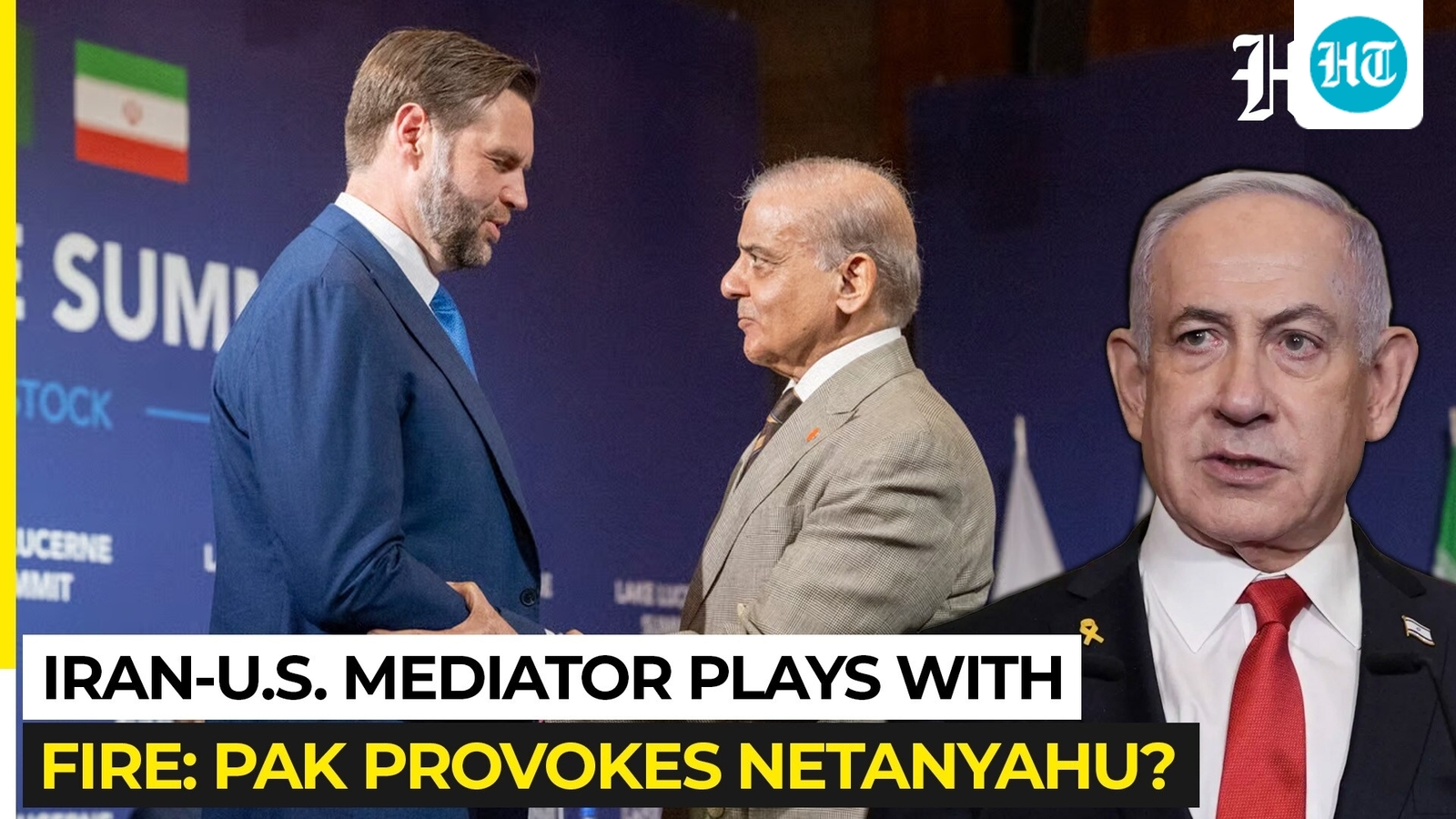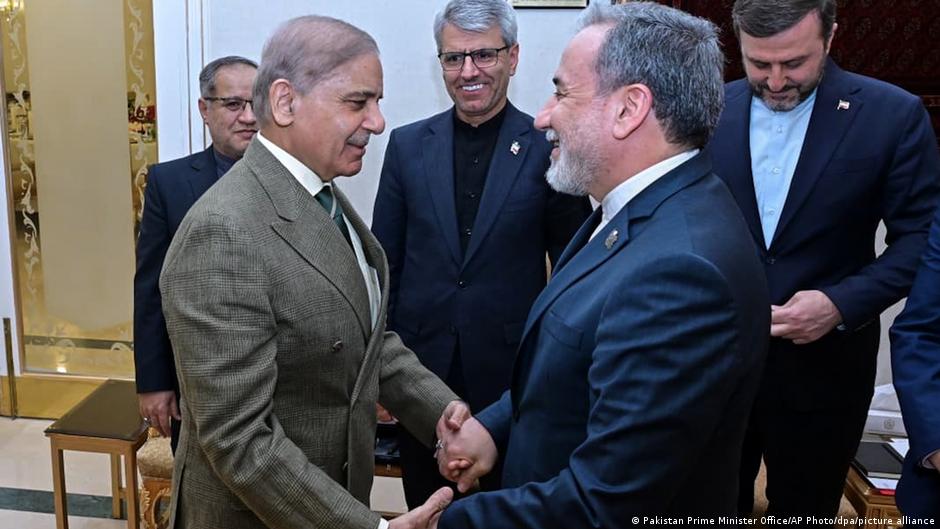
With Pakistan stepping in the middle of a major geopolitical conflict, Islamabad is forced to balance between Washington, Tehran, Beijing and key Gulf allies. A recent US media report places it under even more scrutiny.
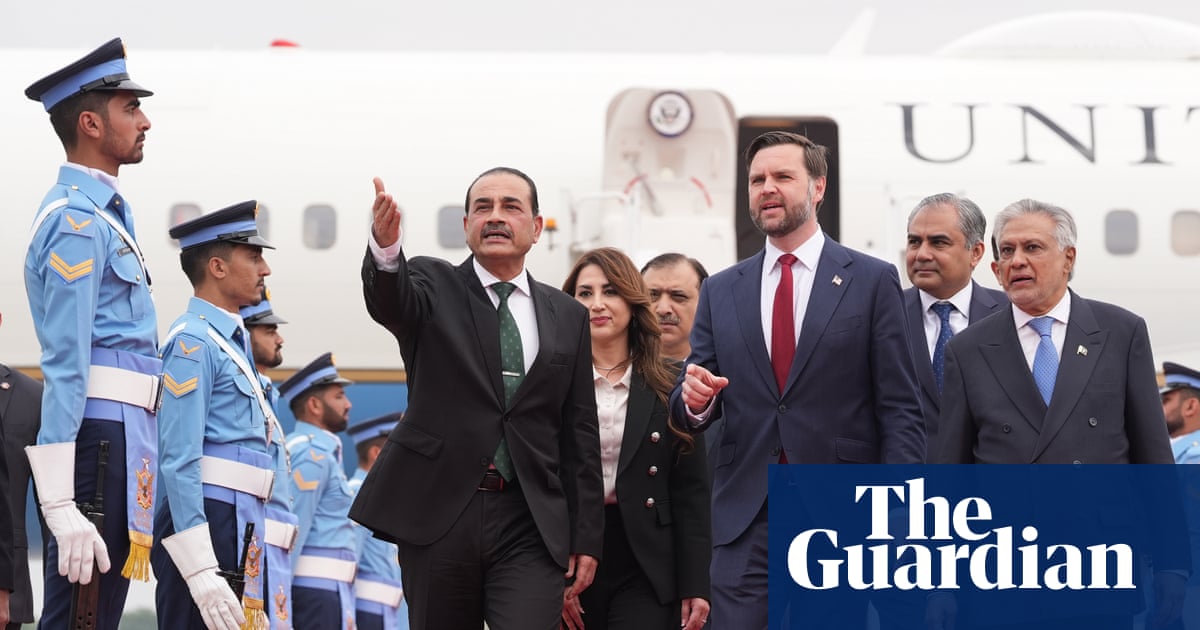
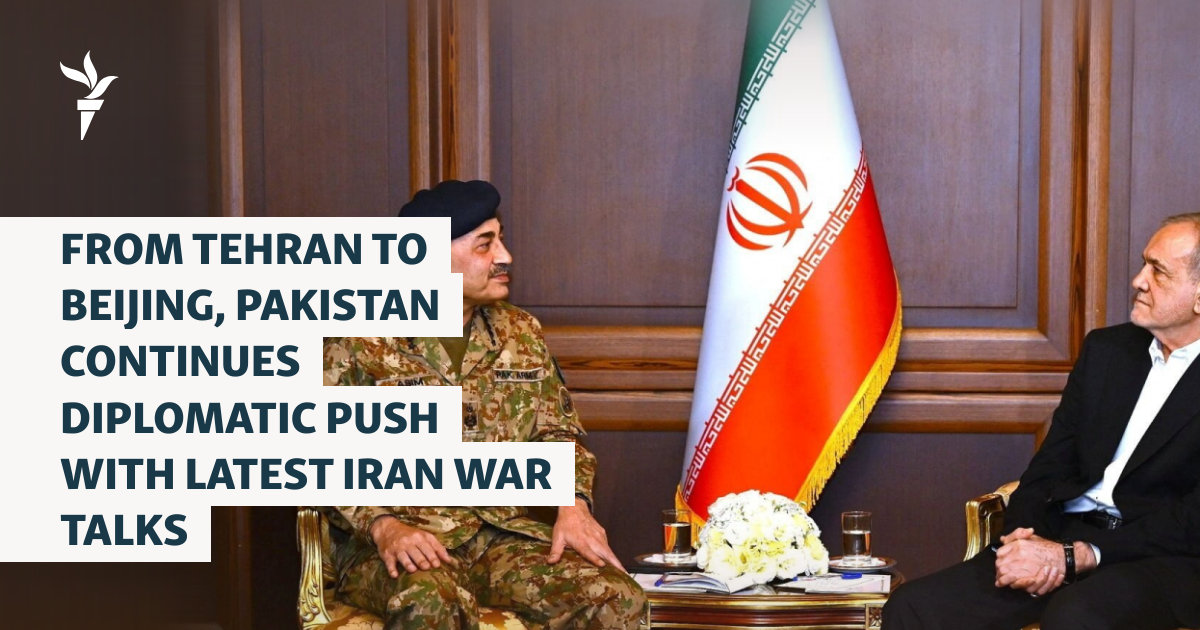
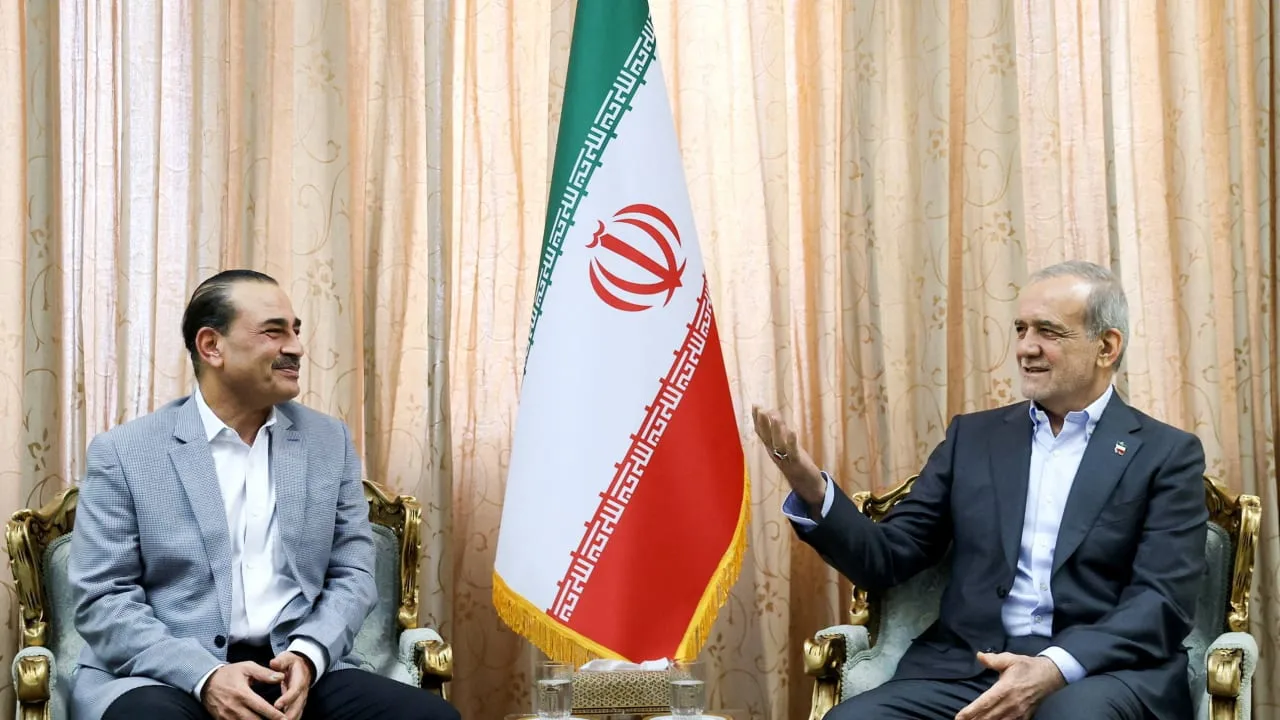
Pakistan has taken on a leading role in the peace efforts between the US and Iran, hosting talks and serving as an intermediary for backchannel diplomacy between the warring parties.
For Islamabad, the stakes are high. Officials view stability in the Gulf as closely tied to the country's own economic and security interests. A broader confrontation between the US and Iran could disrupt trade routes, deepen energy pressures, inflame sectarian tensions and further destabilize Pakistan's sensitive border regions with Iran.
International prestige is also at play for the Pakistani government as they work to end a conflict affecting the entire world. But this also means a risk of reputational damage.
"Pakistan risks growing criticism if its efforts to revive US-Iran talks fail, especially after publicly taking a leading mediation role," Michael Kugelman, a senior fellow for South Asia at the Washington-based Atlantic Council, told DW.