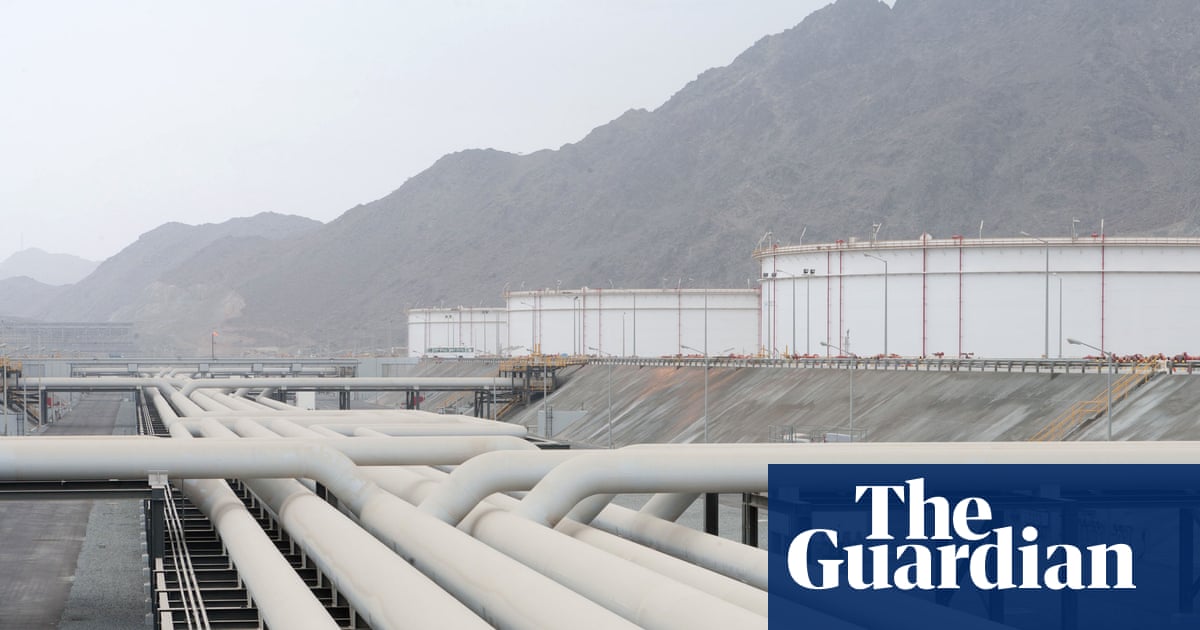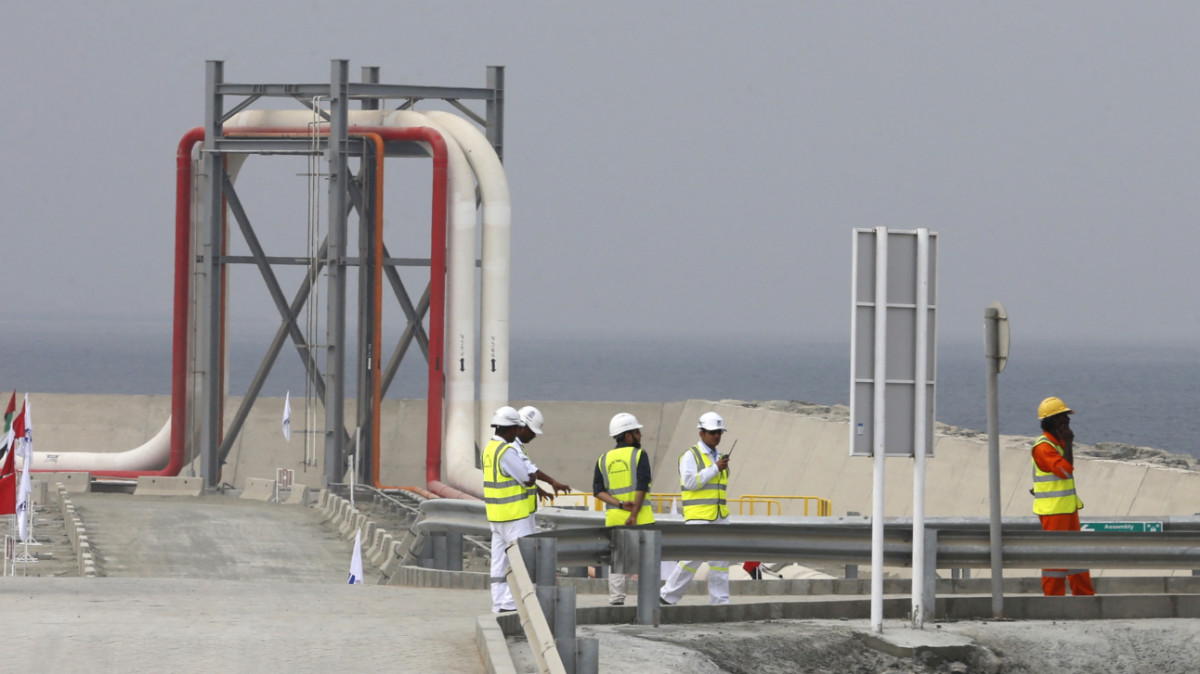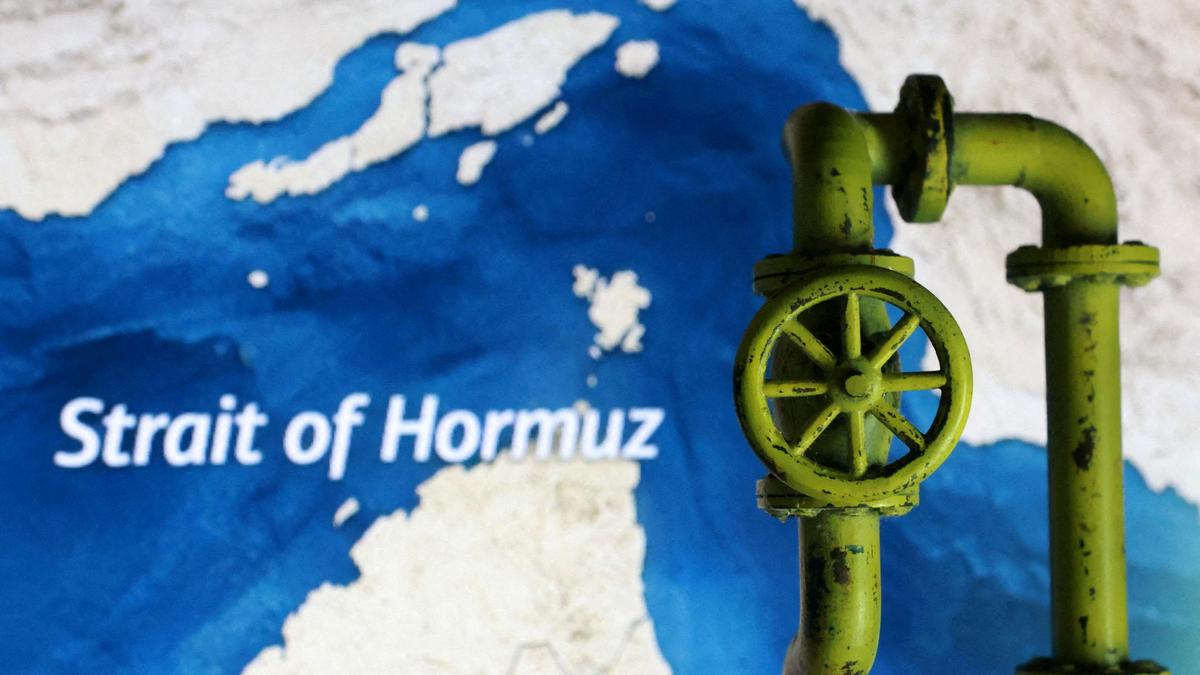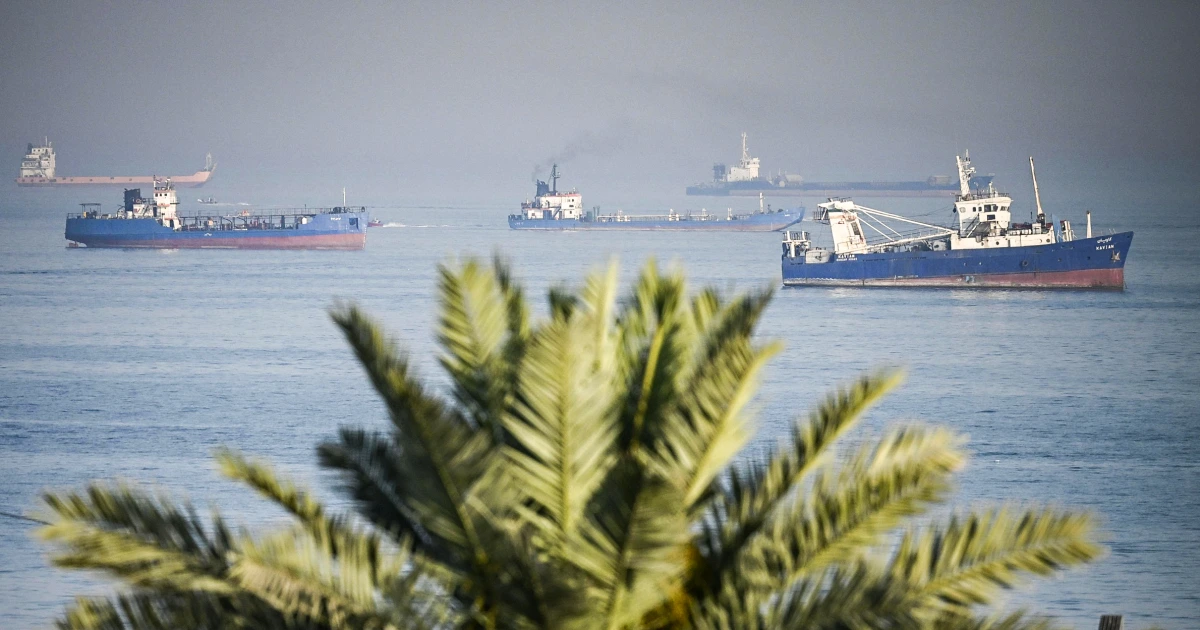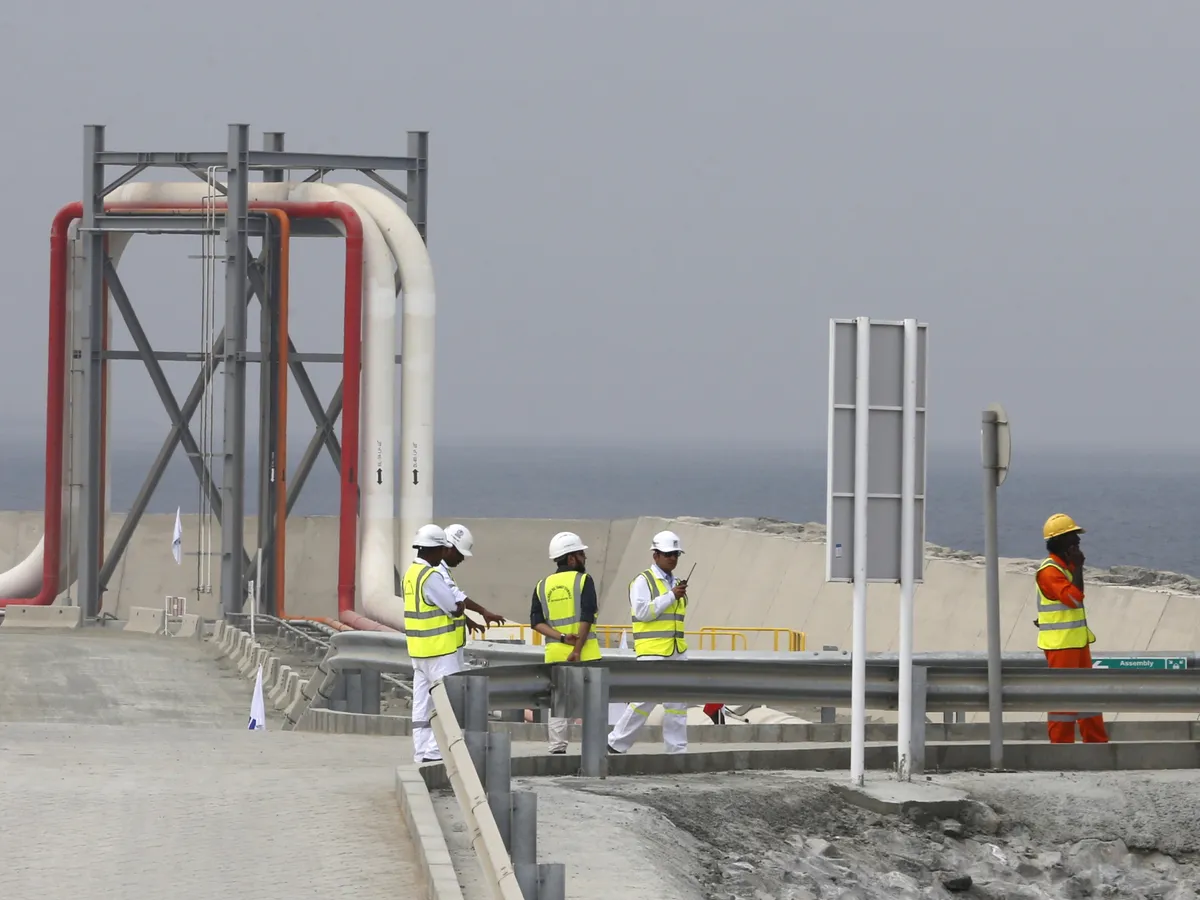
Skip to Content News Archives Economy Energy Oil & Gas Renewables Electric Vehicles Mining Commodities Agriculture Real Estate Mortgages Mortgage Rates Finance Banking Insurance Fintech Cryptocurrency Work Wealth Smart Money Wealth Management Investor Personal Finance Family Finance Retirement Taxes High Net Worth FP Comment Executive Women Puzzmo Newsletters Financial Times Business Essentials More Innovation Information Technology FP500 Podcasts Small Business Lives Told Tails Told Shopping Financial Post Store Obituaries Place a Notice Advertising Advertising With Us Advertising Solutions Postmedia Ad Manager Sponsorship Requests Classifieds Place a Classifieds ad Working Profile Settings My Subscriptions Saved Articles My Offers Newsletters Customer Service FAQ News Economy Energy Mining Real Estate Finance Work Wealth Investor FP Comment Executive Women Puzzmo Newsletters Financial Times Business Essentials HomeOil & GasNewsUAE will double oil export capacity bypassing Hormuz by 2027The UAE and Saudi Arabia are the only major Gulf oil producers able to get significant quantities to market during the warAuthor of the article:Last updated 20 hours ago You can save this article by registering for free here. Or sign-in if you have an account.With the UAE now out of OPEC, it will be looking to get its money’s worth from major oil-field expansions. Photo by KARIM SAHIB/AFP/Getty ImagesThe United Arab Emirates will double its capacity to export crude oil bypassing the Strait of Hormuz by next year, as it seeks to reduce reliance on the shipping chokepoint.Subscribe now to read the latest news in your city and across Canada.Exclusive articles from Barbara Shecter, Joe O'Connor, Gabriel Friedman, and others.Daily content from Financial Times, the world's leading global business publication.Unlimited online access to read articles from Financial Post, National Post and 15 news sites across Canada with one account.National Post ePaper, an electronic replica of the print edition to view on any device, share and comment on.Daily puzzles, including the New York Times Crossword.Subscribe now to read the latest news in your city and across Canada.Exclusive articles from Barbara Shecter, Joe O'Connor, Gabriel Friedman and others.Daily content from Financial Times, the world's leading global business publication.Unlimited online access to read articles from Financial Post, National Post and 15 news sites across Canada with one account.National Post ePaper, an electronic replica of the print edition to view on any device, share and comment on.Daily puzzles, including the New York Times Crossword.Create an account or sign in to continue with your reading experience.Access articles from across Canada with one account.Share your thoughts and join the conversation in the comments.Enjoy additional articles per month.Get email updates from your favourite authors.Create an account or sign in to continue with your reading experience.Access articles from across Canada with one accountShare your thoughts and join the conversation in the commentsEnjoy additional articles per monthGet email updates from your favourite authorsSign In or Create an AccountorAbu Dhabi National Oil Co. is accelerating the construction of a pipeline that runs to the port of Fujairah on the Gulf of Oman, according to a statement from the emirate’s media office posted on X. The company already operates a 1.5 million barrel-a-day conduit from its oil fields to the port on its eastern coast, which has proved to be a lifeline during the Middle East conflict.The existing pipeline has helped the UAE continue to supply markets, offsetting the hit to oil revenue as Iran practically shut the normal route through Hormuz soon after the war began in late February. Adnoc had already been planning the pipeline expansion as the current link can carry less than half of its normal export volumes.Breaking business news, incisive views, must-reads and market signals. Weekdays by 9 a.m.By signing up you consent to receive the above newsletter from Postmedia Network Inc.A welcome email is on its way. If you don't see it, please check your junk folder.The next issue of Posthaste will soon be in your inbox.We encountered an issue signing you up. Please try again“The project gains new significance in the context of the Hormuz crisis, but the logic behind it predates the war,” said Carole Nakhle, chief executive of consultant Crystol Energy Ltd. “The core strategic objective is clear: reducing dependence on the Strait of Hormuz.”Iran’s closure of the strait, though which about a fifth of the world’s daily supply of oil and gas normally flow, has thrown economies into turmoil and upended shipments of products like metals, fertilizer and plastics. The United States has been imposing its own blockade for the past month aimed at halting shipments to or from Iranian ports.The UAE and Saudi Arabia are the only major Gulf producers able to get significant quantities of crude to market during the war. State oil companies of both countries have quietly managed to ship some cargoes out of the Gulf in recent weeks, avoiding the Iranian blockade.Accelerating the pipeline’s construction also follows the UAE’s decision to exit the Organization of Petroleum Exporting Countries. Freed of the group’s production limits, the UAE has said it will be able to respond more nimbly to market demands amid the disruption caused by the war. Additional export capacity through Fujairah will give the country more options even after Hormuz reopens to shipping.“Expanding Fujairah export capacity fits naturally with Adnoc’s production expansion plans,” Nakhle said. “There is little point in expanding upstream production if export infrastructure becomes the bottleneck.”With the UAE now out of OPEC, it will be looking to get its money’s worth from major oil-field expansions. Adnoc is set to boost capacity to 5 million barrels a day by next year. When the company first began discussing that target in 2018, it could pump about 3 million barrels a day.Adnoc ships most of its main grade of crude — Murban, which is produced at its onshore fields — via the pipeline to Fujairah for export. The expanded capacity of the two pipelines will likely exceed the volume of Murban that Adnoc can produce. That means the company could use the new link to export its offshore grades from Fujairah. Crudes like Upper Zakum, produced at fields in the Gulf and exported from offshore terminals, are popular with refiners for their quality and often influence regional price levels.The UAE’s not alone in having a Hormuz workaround. Aramco operates a pipeline running across Saudi Arabia to the Red Sea and is working to increase export capacity at its ports there. Neither route is a fail safe, with both Aramco’s pipeline and the port of Fujairah facing attacks during the current conflict. Still, the biggest Gulf producers are creating options and looking to future alternatives.While the existing 252-mile (406-kilometer) pipeline to Fujairah hasn’t itself been targeted in the war, infrastructure at both ends of the route has. Iranian drones hit a gas-processing facility near the pipeline’s starting point at Habshan, while at the other end, the port of Fujairah has sustained damage that’s temporarily disrupted shipments in multiple attacks during the conflict. Join the Conversation This website uses cookies to personalize your content (including ads), and allows us to analyze our traffic. Read more about cookies here. By continuing to use our site, you agree to our Terms of Use and Privacy Policy.
UAE will double oil export capacity bypassing Hormuz by 2027
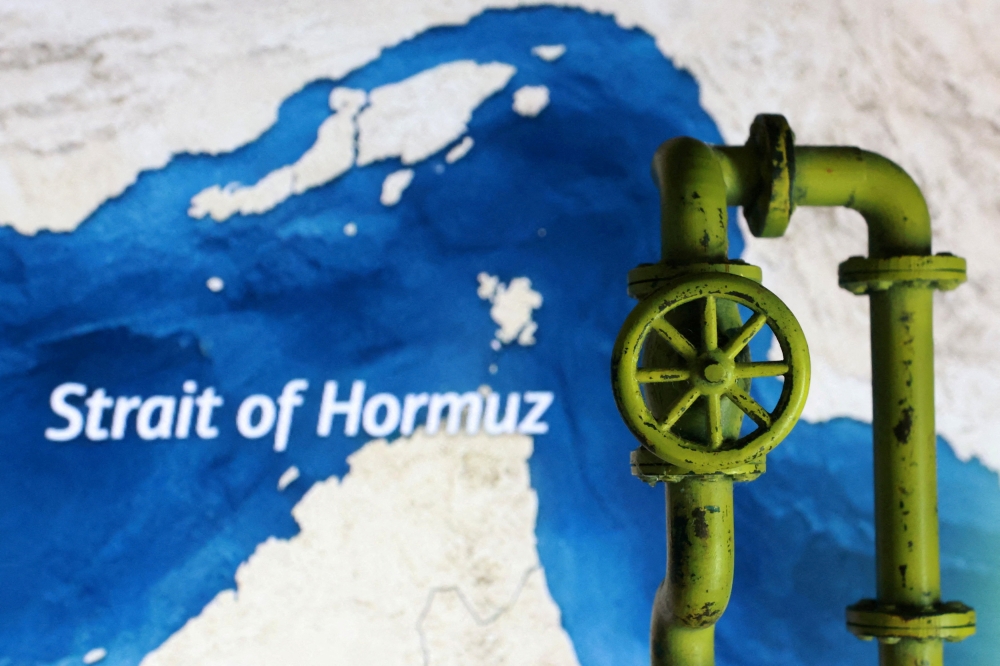
The United Arab Emirates will double its capacity to export crude oil bypassing the Strait of Hormuz by next year. Find out more here
1,179 words~5 min read