EDITOR’S NOTE: This feature is part of CNN Style’s series Hyphenated, which explores the complex issue of identity among minorities in the United States.
When she was four, the artist Widline Cadet was separated from her mother for six years as she emigrated from Haiti to New York to pursue a better life for her family. Cadet, her father and older sister remained in Thomassin, eventually joining her. During that time, her father would travel back and forth, bringing a small number of photographs between them — it was how Cadet learned she had a new baby sister, too, as her mom settled in New York City’s Hamilton Heights.
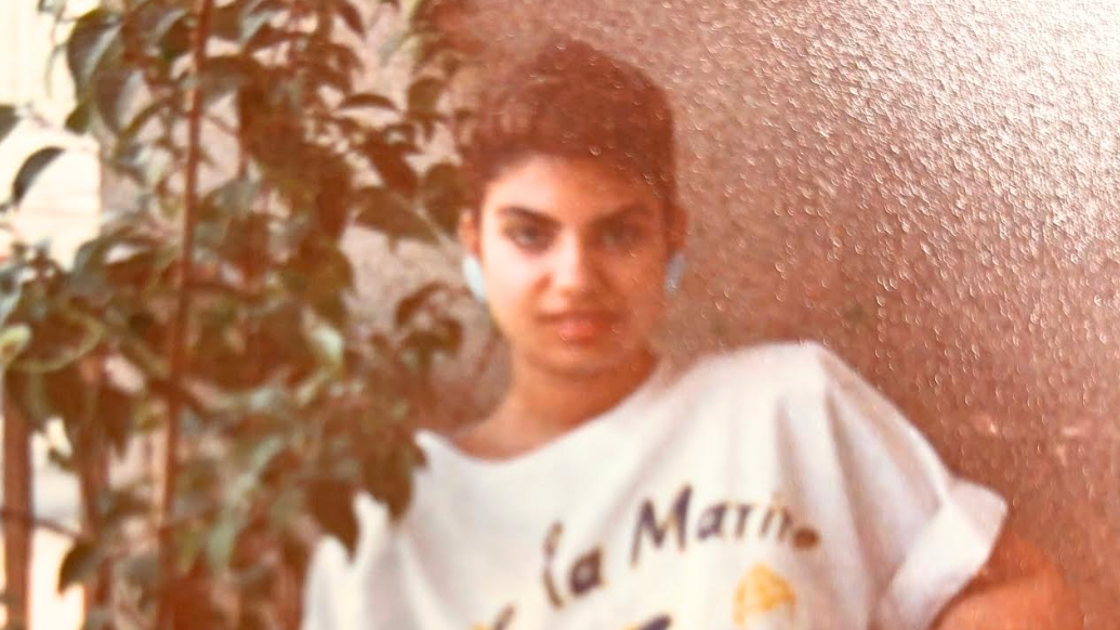
But photographs of her own childhood and family were scarce. At 10 years old, she reunited with her mother in New York, but as she grew into adulthood, Cadet realized that she didn’t know her well at all. Nor did she have a larger sense of her family, the ancestral threads that weave back through time. Her mother didn’t have a picture of her own mother. Memories faded with each passing year.
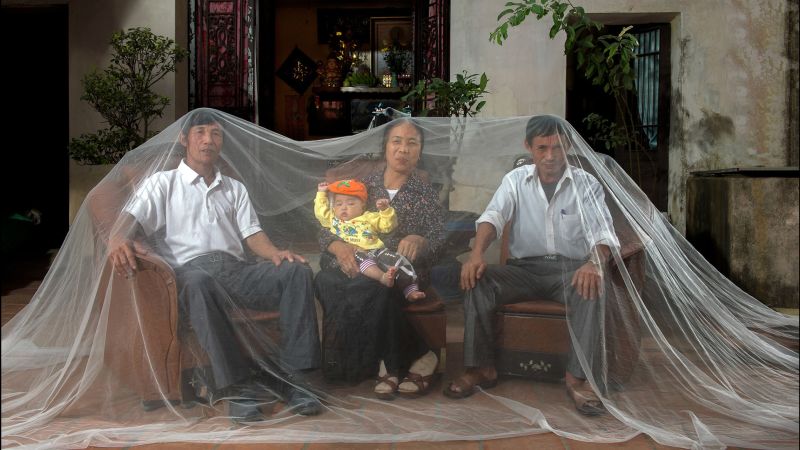
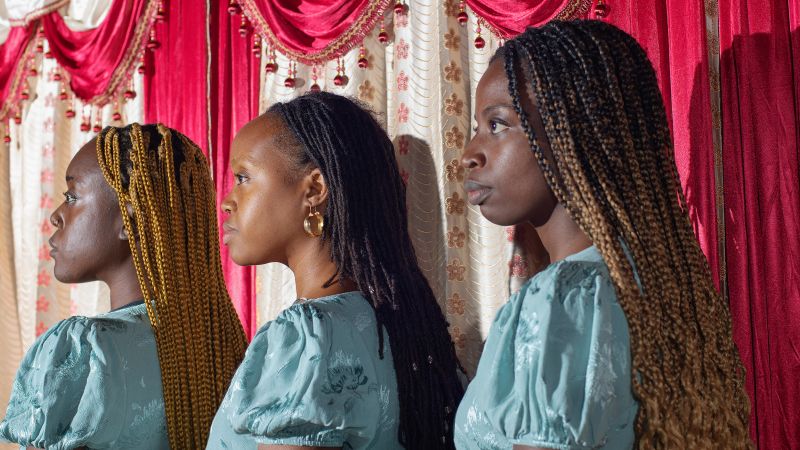
Now, for nearly a decade, Cadet has been crafting her own multi-generational “living archive,” mixing together photographs, video, sound and sculpture to explore the connection and disconnection of the diasporic experience, and make visible the elusiveness of memory. Over the past few years, she has shown parts of the archive at major museums, galleries and art fairs, and has published it in book form. The largest presentation of her work to date is on view at the Milwaukee Art Museum, for the show, “Currents 40: Widline Cadet.”