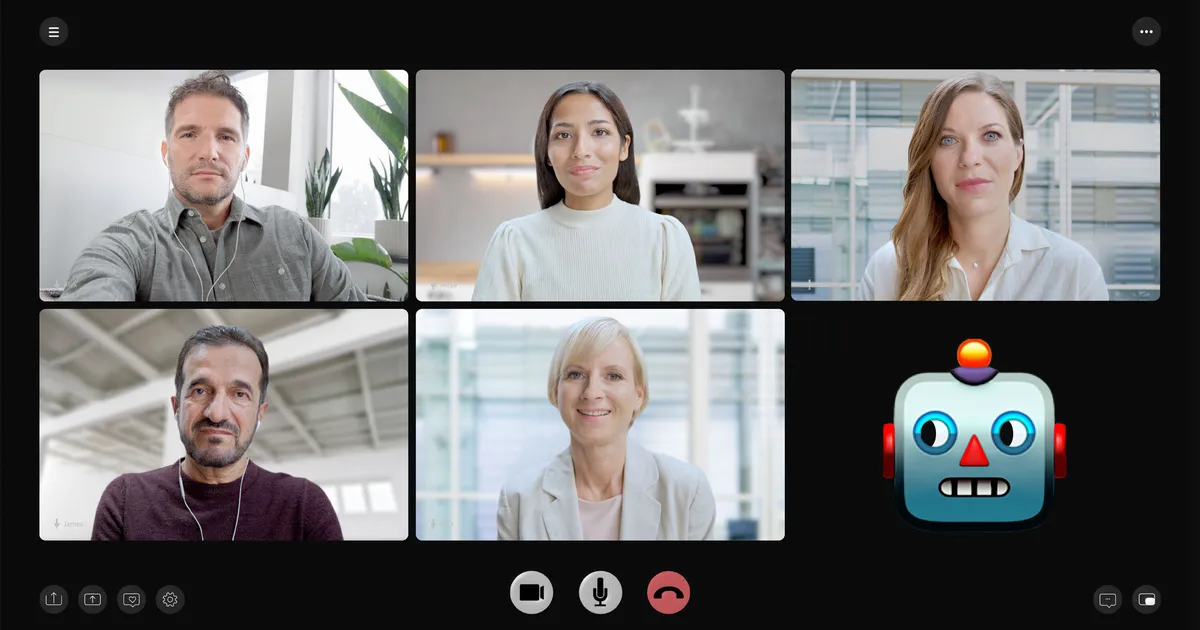
NEW YORK - Jeffrey Gifford is a lawyer in San Antonio who specializes in corporate governance, securities and M&A at the law firm Dykema. In the moments before virtual meetings begin, he doubles as a bouncer. “Before the meeting even starts,” he told DealBook, “when I see that AI notetaker pop up, I’ll just say: ‘Hey, Mike, Jim, Barbara, I see the AI notetaker popped up. I’m going to turn it off and kick it out of the meeting'.”
This happens more and more. “Everybody and their mother is using these things,” Gifford said. “Executives are using them, boards are using them, nonexecutive businesspeople are using them.”
Productivity powered by artificial intelligence is all the rage. Skipping meetings and sending an AI notetaker instead has been called “the latest office power move.” Wallet-size recorders that use AI to log live interactions have become a product category. And at least one CEO has endorsed the idea of adding an AI board member. (Maybe one programmed to behave like Warren Buffett?)
But to lawyers like Gifford, inviting an AI bot to meetings introduces a ticking time bomb of legal risk. AI-generated transcripts, which some video call apps allow users to turn on by default, preserve all sorts of things - offhand comments, quickly corrected statements, jokes - that humans would rarely write in the meeting minutes. And they show up in meetings that would otherwise not be recorded.