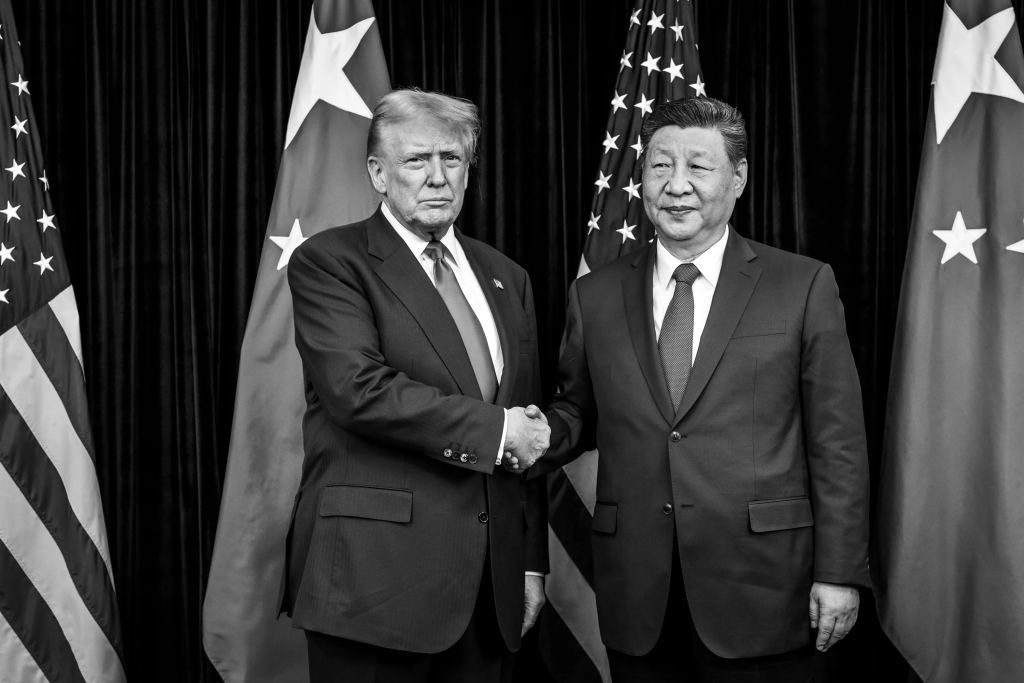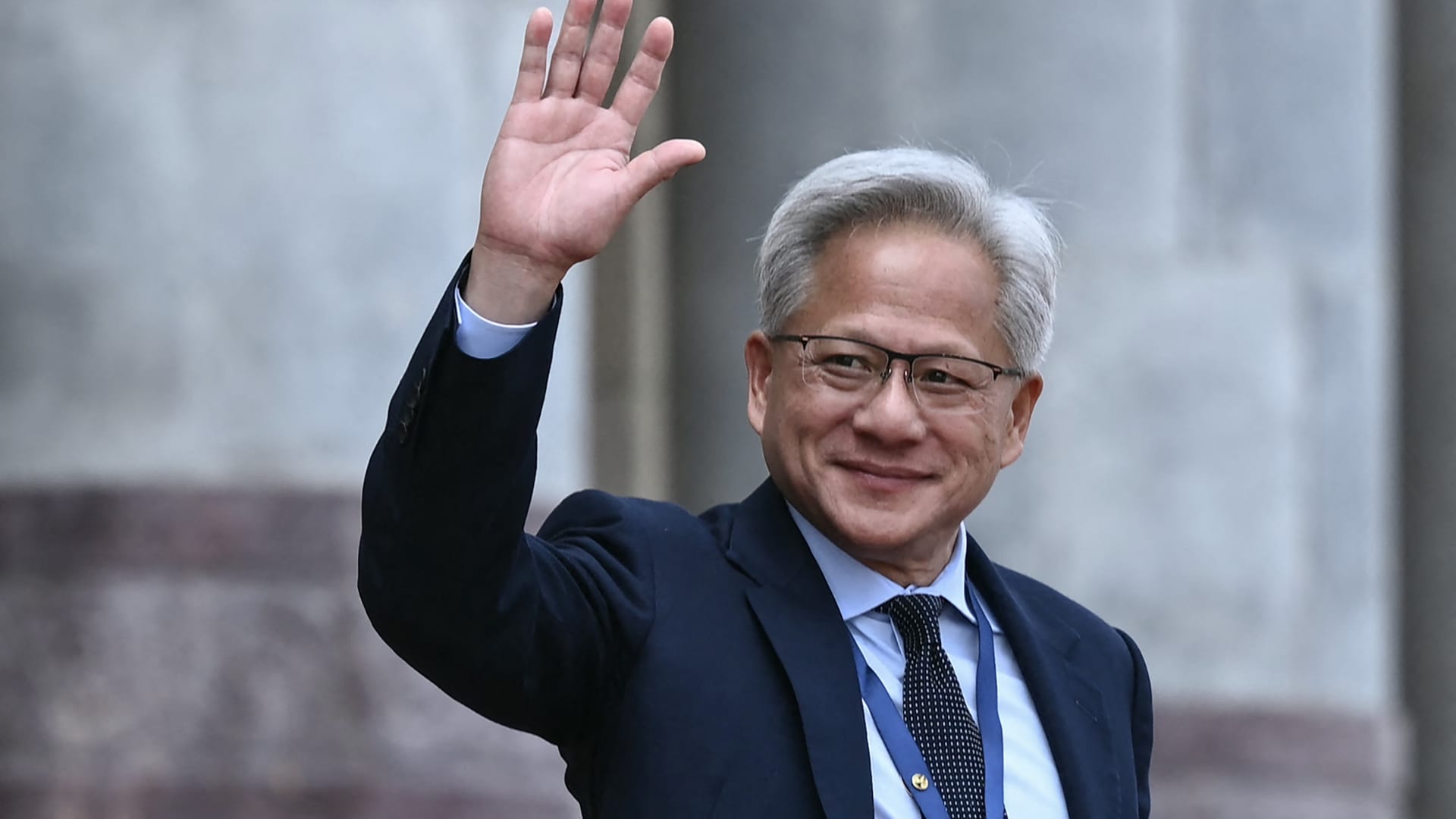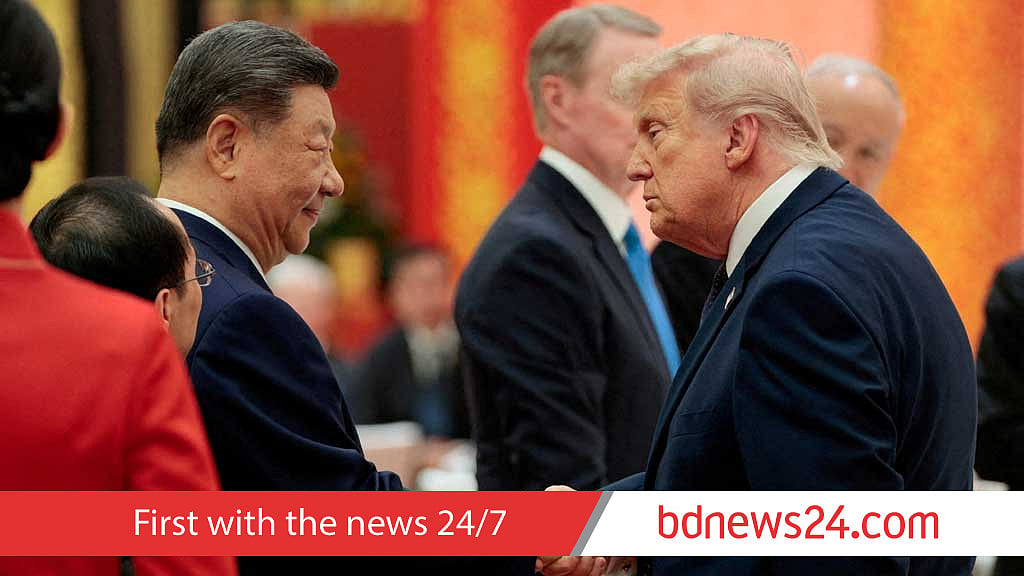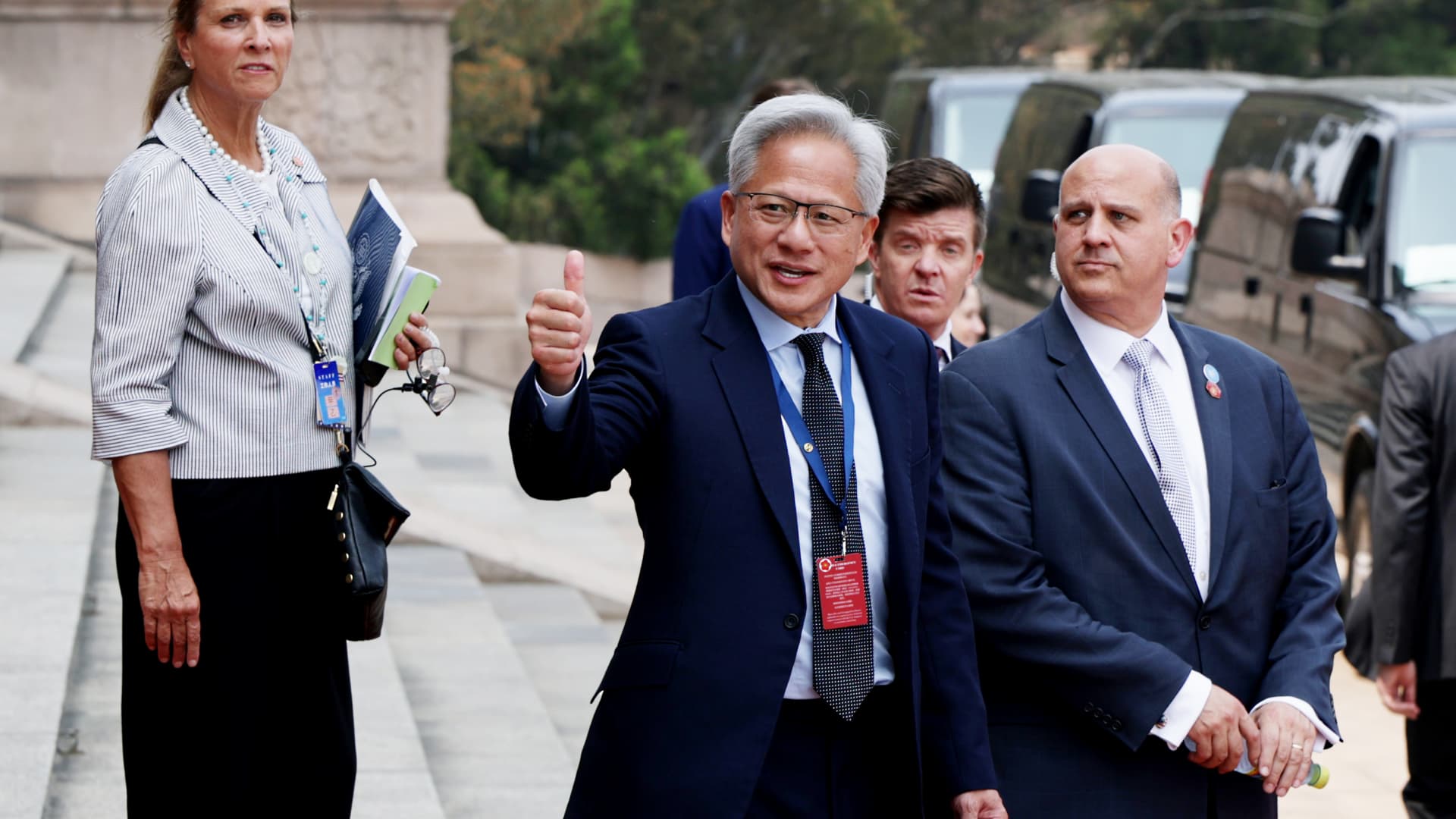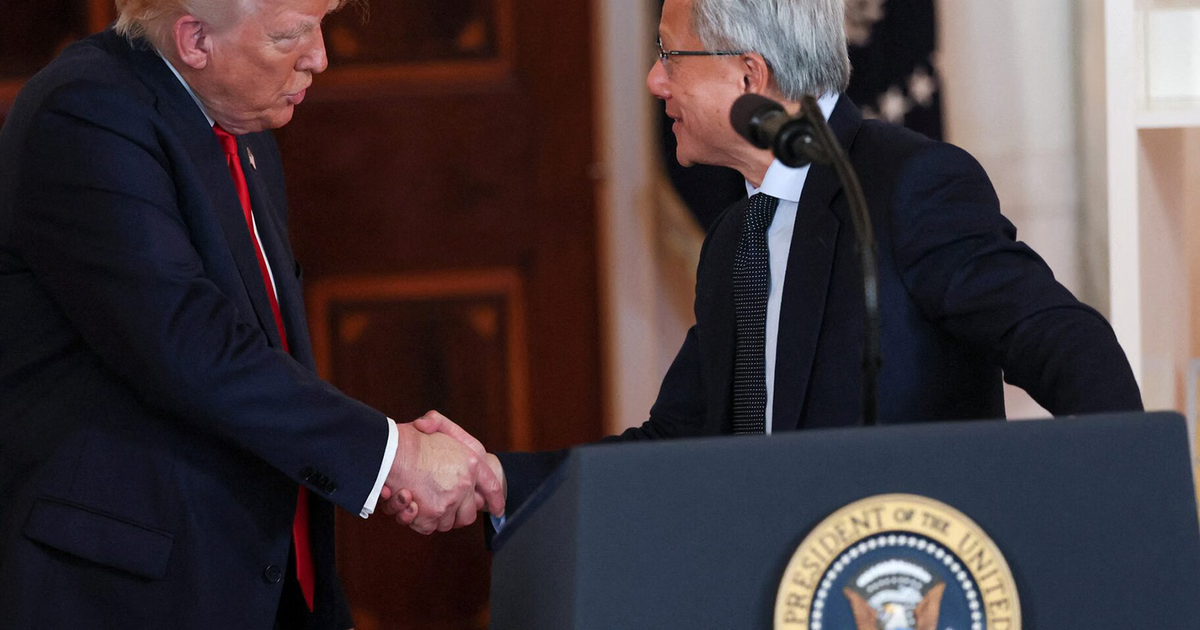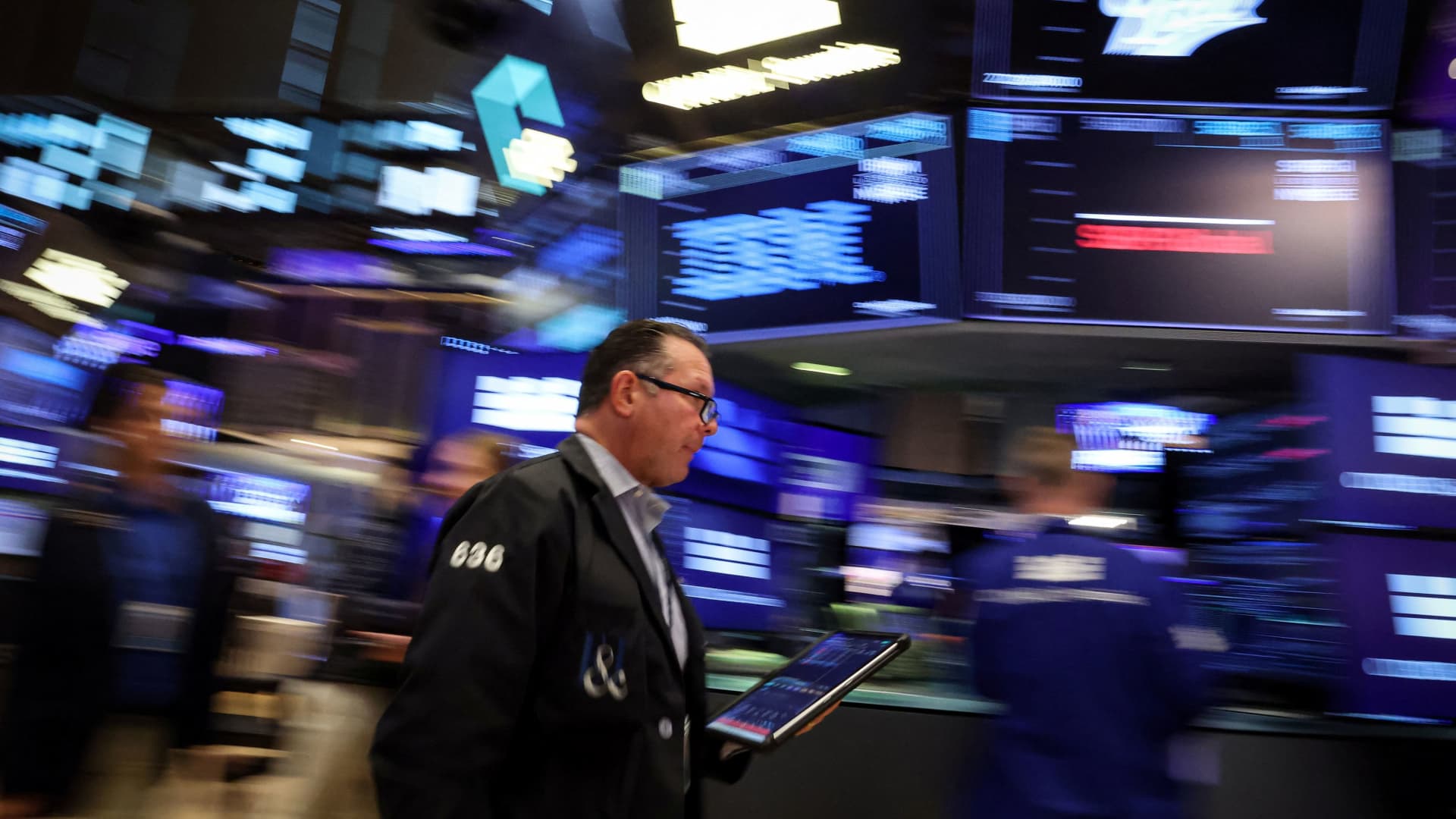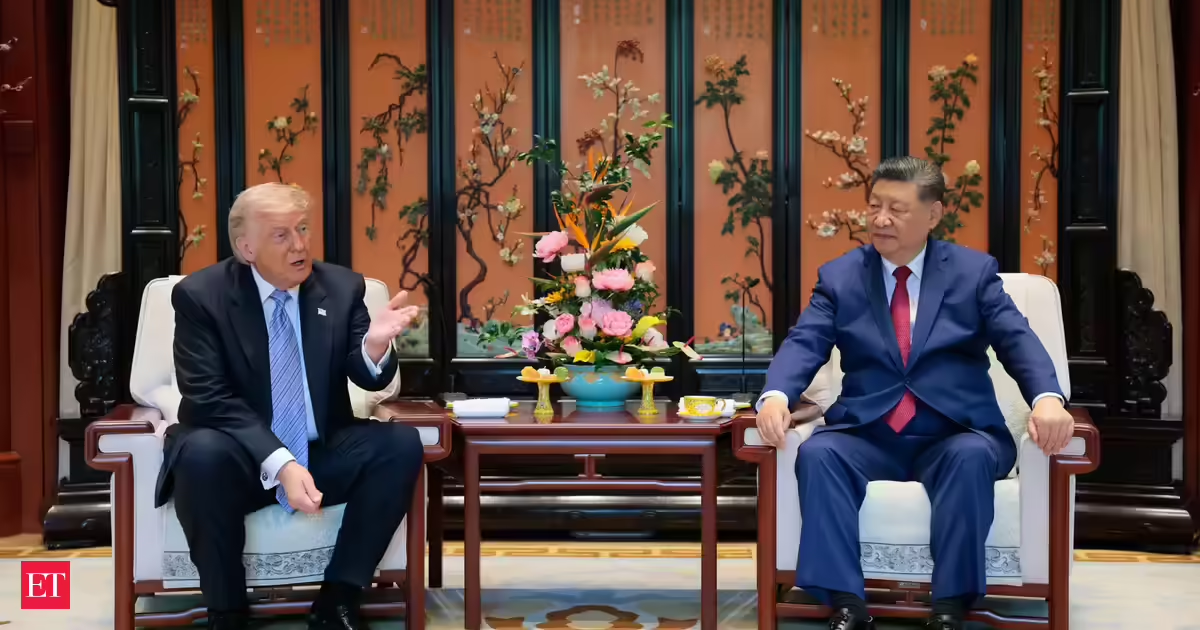
Nvidia and Boeing stocks are falling hard on Friday, May 15, 2026 — and that should confuse anyone watching the headlines. The Trump-Xi summit in Beijing just wrapped up. Deals were announced. Boeing secured a 200-plane order, possibly expandable to 750 aircraft. Nvidia got cleared for H200 chip exports. By any surface reading, that's good news. Yet Nvidia stock crashed 3.83%, shedding $9.02 to $226.72. Boeing slid another 2.86%, losing $6.56 to $222.65. The PHLX Semiconductor Index collapsed 3.55%, wiping out 428 points. Markets aren't broken. They're telling you something the headlines aren't. The market's reaction to the China summit reveals one of the most important truths in investing — that price reflects expectation, not news. Both Nvidia and Boeing had been bid up aggressively ahead of the summit on the assumption of landmark deals. When the deals came in smaller, vaguer, and less certain than the market had priced in, the only logical move was to sell. This is the "buy the rumor, sell the news" principle at full force. Boeing's 200-plane order sounds massive. But analysts at Jefferies had been modeling a 500-plane mega order.ALSO READ: Why is US stock market falling today? Dow Jones, S&P 500 and Nasdaq crash after Trump concludes China visit - Nvidia and Amazon stocks sink amid inflation fears and Iran war uncertainty shaking Wall StreetThe actual announcement was a disappointment disguised as a victory. Nvidia's situation was even more precarious. Beijing has not formally approved H200 chip shipments to China. Jensen Huang stayed behind in Beijing after the delegation flew home — meeting separately with Chinese trade officials — because the deal isn't done. That detail matters enormously. Why Nvidia Stock Is Crashing Despite the H200 Chip Deal With China The Nvidia and Boeing stock crash shares a common root: deals that were announced without being confirmed. For Nvidia, the core problem is simple. US clearance for H200 exports means nothing until China formally accepts the terms. Beijing has a history of letting deals linger in diplomatic ambiguity while extracting maximum leverage. Jensen Huang did not return to Washington with the rest of Trump's delegation. He stayed in Beijing for a separate meeting with Ren Hongbin, chair of the China Council for the Promotion of International Trade. That's not a victory lap. That's an open negotiation. The PHLX Semiconductor Index fell 3.55% on Friday, its worst single-session drop in weeks. Broader tech followed. The DJ Technology sector lost 1.31%, falling 136 points. NQ Computer dropped 1.41%. NQ Biotechnology fell 1.97%. The market is repricing the entire AI hardware trade based on the reality that China access — the most coveted prize in the chip industry — remains unresolved. Nvidia had rallied strongly into the summit on expectations of a breakthrough. Without formal Chinese approval, those gains had no foundation. Friday's selloff is the correction of an overcorrection.Why Boeing Stock Is Sliding Even After Trump Announced a 200-Plane Order The Boeing and Nvidia stock crash on Friday share a second common problem: no formal confirmation from the Chinese side. Trump announced the 200-plane order in a Fox News interview. He later expanded that figure to a potential 750 planes. Boeing's own communications team released nothing — no statement, no confirmation, no pricing. China's foreign ministry, when asked directly, declined to comment on the aircraft deal, saying only that "both sides should work together to implement consensus." That's diplomatic language for "we haven't signed anything." Boeing's shares had already fallen 4.7% on Thursday when the initial announcement dropped — before Friday's additional 2.86% decline. The market had expected a formal, signed mega order with pricing and delivery timelines. What it got was a presidential statement and radio silence from Boeing's IR department. Compare this to Boeing's last major Chinese deal in November 2017 — 300 planes, $37 billion, announced with full documentation during Trump's first term. That deal had weight. Friday's announcement had narrative. Trade Representative Jamieson Greer said US-China agricultural trade would expand by "double-digit billion dollars" over three years. He confirmed a 25-million-tonne soybean deal. Those are real, specific numbers. The Boeing aircraft order and Nvidia chip clearance, by contrast, remain unquantified and unverified by the Chinese side. Markets price certainty. When certainty is absent, stocks fall regardless of the headline attached to them.Who Won and Who Lost While Nvidia and Boeing Stocks Fell The sector picture on Friday tells the full story of how US markets absorbed the China summit results. DJ Basic Materials collapsed 2.43%, with 38 decliners against just 4 advancers. The PHLX Semiconductor Index fell 3.55% — the worst performer of the session. NQ Bank fell 1.37%. NQ Biotechnology dropped 1.97%. Caterpillar led Dow losers, falling 4.16% to $881.93. Goldman Sachs lost 1.85%. Sherwin-Williams fell 1.96%. The broad industrial and materials complex was getting repriced on the same logic — deals announced, details missing, Chinese confirmation absent. The one sector that genuinely won was Oil & Gas. DJ Oil & Gas rose 1.53%, gaining nearly 15 points, as Brent crude climbed above $108 a barrel. Trump said China agreed to buy US oil and gas, with Chinese ships heading to Texas, Louisiana, and Alaska. Chevron gained 1.62% to $189.66. Energy was the only corner of the Dow where the China deal translated into a real, immediate market reaction. That gap — energy up, everything else down — reveals exactly which part of the summit the market actually believed. Microsoft gained 3.08% to $422.05. Salesforce rose 3.12% to $172.81. Visa added 1.84%. These aren't China plays.What Nvidia and Boeing's Stock Crash Tells Us About the Real State of US-China Trade The Nvidia and Boeing stock crash on May 15, 2026 is not just a story about two companies having a bad day. It's a signal about the structural gap between diplomatic theater and economic reality in US-China relations. Trump's summit produced compelling imagery — the Temple of Heaven tour, the state banquet, the tea meeting, 16 American CEOs in the room with Xi Jinping. Xi told them China's door "will only open wider and wider." But on the specifics — chip export controls, rare earth restrictions, aircraft delivery schedules — nothing concrete emerged from the Chinese side. The Taiwan question was left untouched. The Iran conflict, which is driving Brent crude above $108 and pushing 10-year Treasury yields to 4.57%, saw no Chinese intervention commitment. The 30-year yield crossed 5.11%. Gold fell 2.66%. Silver crashed 8%. The broader market pullback — S&P 500 down 0.95%, Dow down 0.82%, Nasdaq down 1.35% — reflects a market that went into the summit expecting resolution and came out facing the same open questions it started with.
Nvidia, Boeing stocks crash even after Trump-China summit deal headlines: Why are stocks collapsing and what does today’s sharp US stock market selloff reveal about China trade tensions?
Nvidia and Boeing stocks crashed on May 15, 2026, falling 3.83% and 2.86% respectively, even as Trump announced major China deals. Beijing never formally confirmed the Boeing 200-plane order. Nvidia's H200 chip clearance has no Chinese approval yet. Jensen Huang stayed in Beijing after the delegation left. The PHLX Semiconductor Index fell 3.55%. The China summit produced headlines, not signed contracts. That gap between announcement and confirmation is exactly why both stocks are down hard today.
1,104 words~5 min read