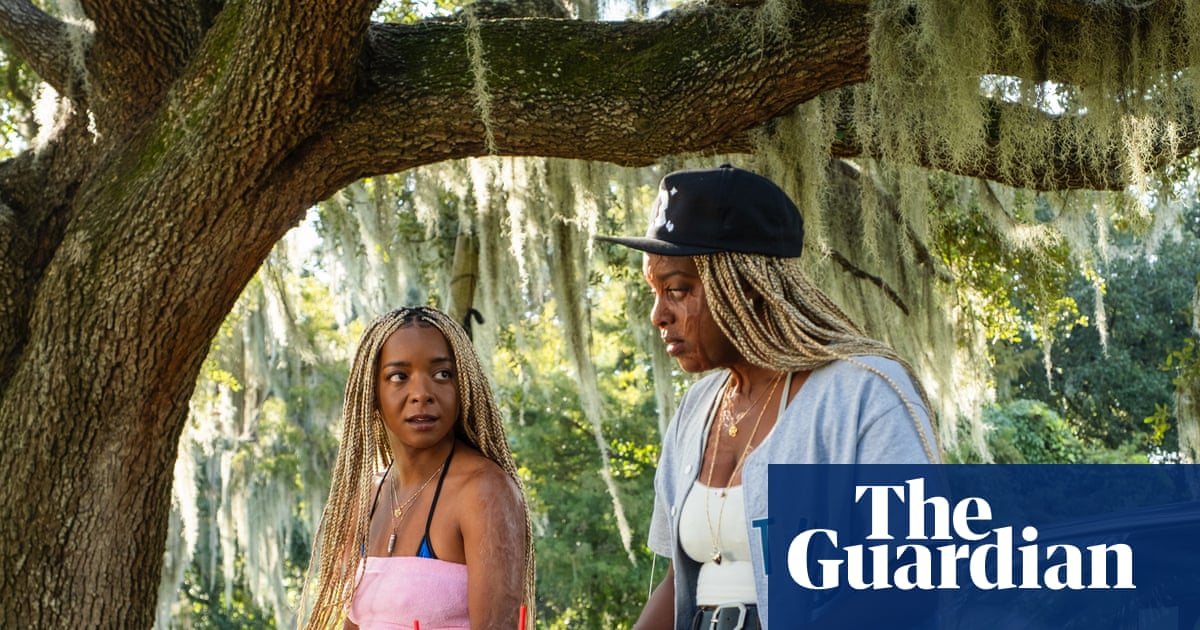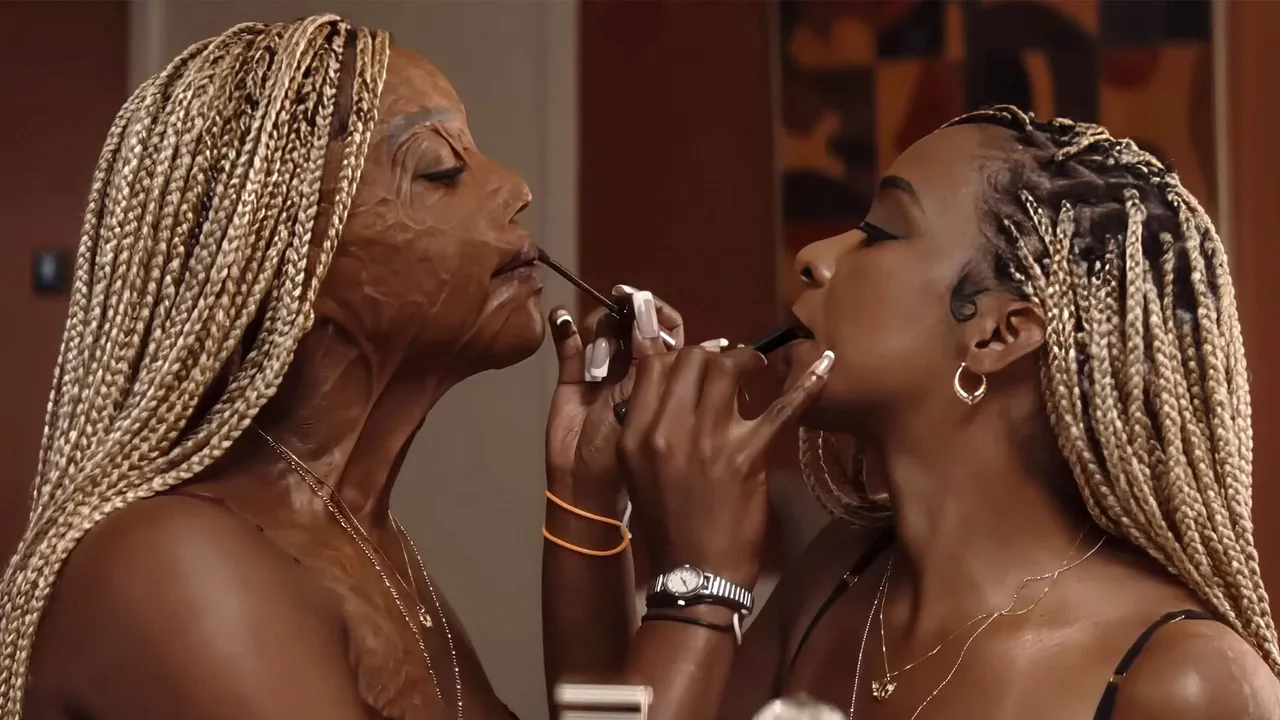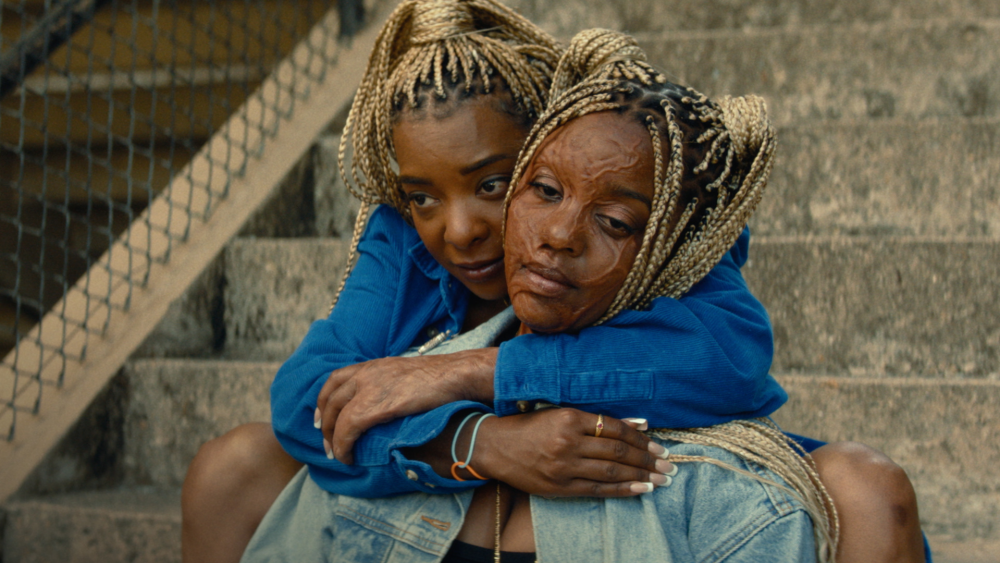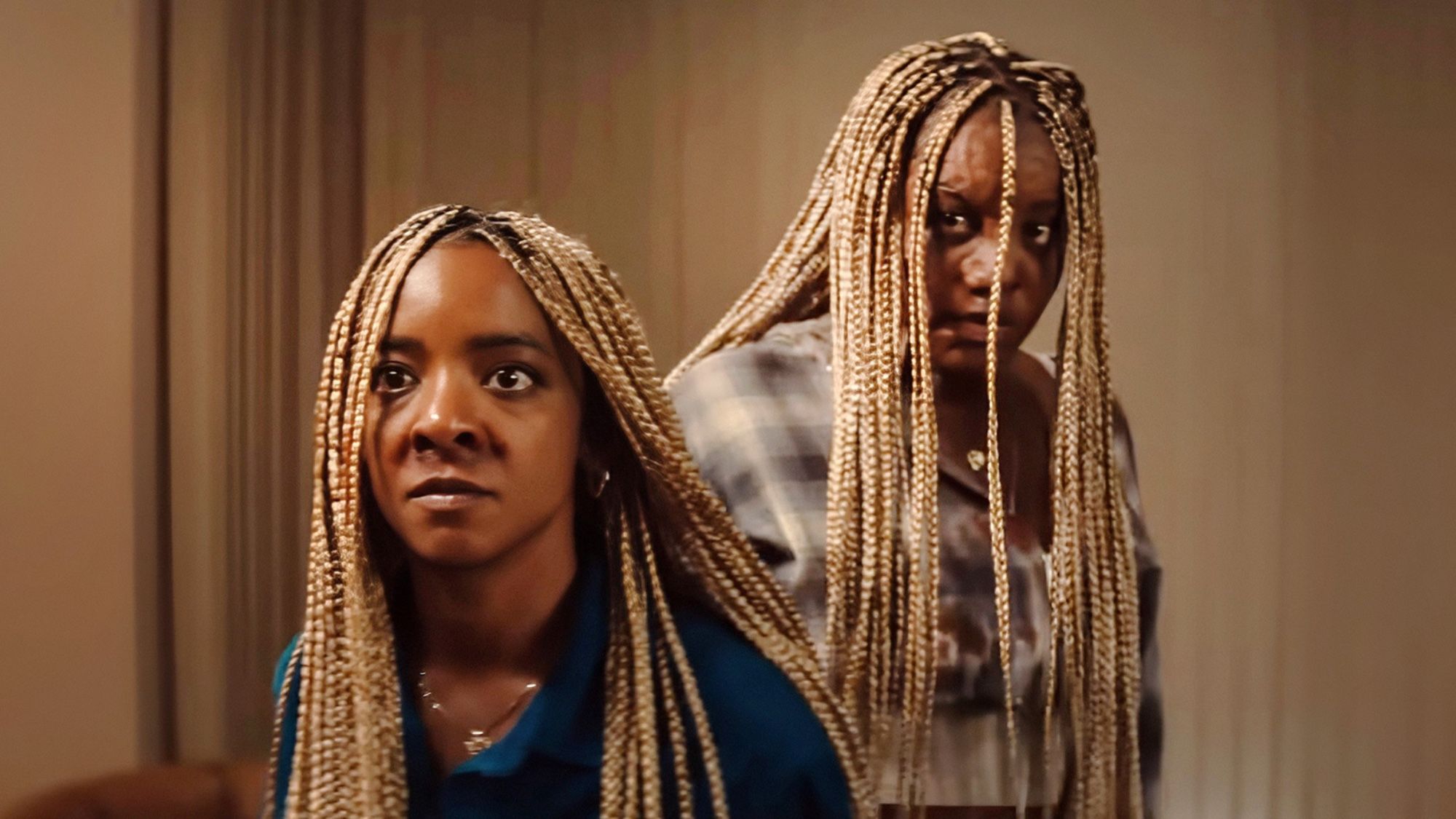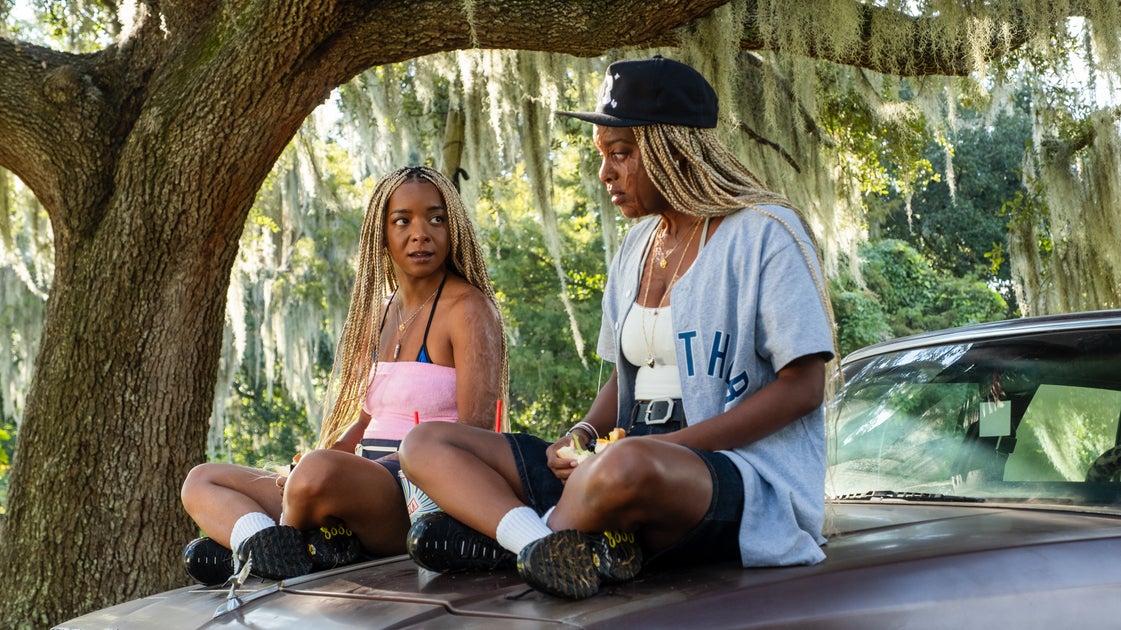
Warning: This piece contains spoilers from “Is God Is.”
For far too long, Black women onscreen have been expected to show up as anything but defiant or fully human. Particularly when Black women’s rage enters the conversation, the dialogue too often turns to whether it feeds into the “angry Black woman” trope, rather than acknowledging us as complex beings who, like anyone else, have the right to be mad sometimes — as Solange once eloquently sang.
By society’s standards, it’s alright for us to be strong, intelligent, witty, ambitious, resilient, caring and nurturing. But when it comes to anger, we are rarely allowed to express it openly and without apology.
To be a Black woman in this world is to have our anger constantly weaponized against us, used as a means to silence, undermine and dismiss our reactions to injustice as irrational or completely unwarranted.
We, for instance, saw it when Serena Williams was punished for showing emotion at the 2018 U.S. Open, and we continuously see it across reality television, a space where Black women are often forced to police our tone and actions to avoid being reduced to a stereotype.