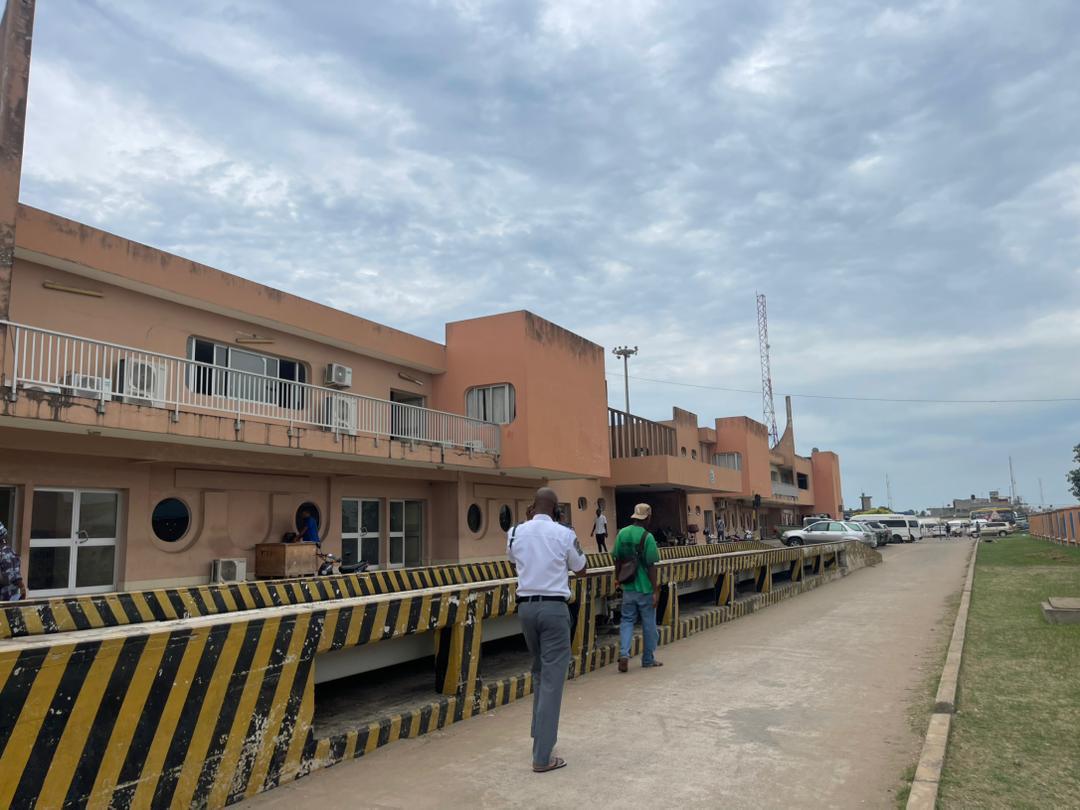
POS operators, mostly young entrepreneurs providing essential financial services in a largely cash-lite economy, are not criminals. They are innovators who stepped in where banks feared to tread, especially in rural and semi-urban areas. So, banning them from viable locations near police stations (often bustling hubs with high foot traffic) effectively displaces thousands from their means of survival. Many operators chose spots near stations for security reasons and customer convenience. Citizens settling matters, reporting incidents, or simply transacting nearby. Now, they must relocate farther away, losing income, facing higher risks, and struggling with logistics in an already harsh economy. This is not governance; it is bureaucratic overreach that penalizes the innocent alongside the guilty.
In a country where youth unemployment hovers at alarming rates and the informal sector sustains millions, the Nigeria Police Force has once again chosen the path of least resistance. The recent directive by the Inspector-General of Police barring Point-of-Sale (POS) operators from conducting business within 200 metres of any police formation is a classic example of collective punishment that hurts hardworking Nigerians instead of addressing systemic rot within the force.While the intention, curbing extortion and collusion may appear noble on paper, the execution raises serious questions about constitutionality, economic sense, and leadership priorities. A direct assault on legitimate livelihoods. Section 34 of the 1999 Constitution of the Federal Republic of Nigeria (as amended) guarantees every citizen the right to dignity of the person. More fundamentally, the right to earn a legitimate living through honest work is inherent in the freedom to move freely and pursue economic activities without undue hindrance.