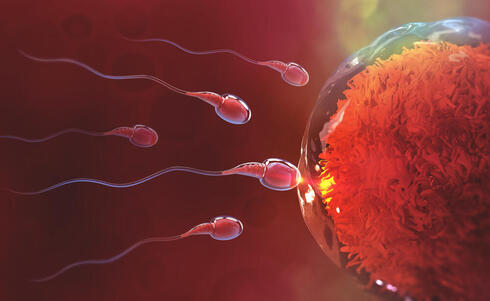
Those facing infertility will increasingly seek ways to improve their chances of conception, either spontaneously or with medical treatment. Diet features prominently among lifestyle factors that may influence fertility.
While there is no single “fertility diet” guaranteed to result in pregnancy, growing scientific evidence suggests that overall dietary patterns can affect reproductive health in both men and women.
The Mediterranean-style diet is widely regarded as one of the healthiest eating patterns for fertility. It emphasises fruits, vegetables, legumes, whole grains, nuts, olive oil, fish and moderate dairy intake, while limiting processed foods, sugary snacks and excessive red meat. Studies have linked this pattern with improved ovulation, better sperm quality and higher pregnancy rates in some assisted treatments.
Healthy fats, such as omega-3 fatty acids found in oily fish, nuts, seeds and olive oil, may support hormone production, reduce inflammation and improve egg and sperm quality.
A recent study found that women with higher omega-3 intake had improved fertility outcomes, while men who regularly consumed nuts and seeds also showed better fertility measures.