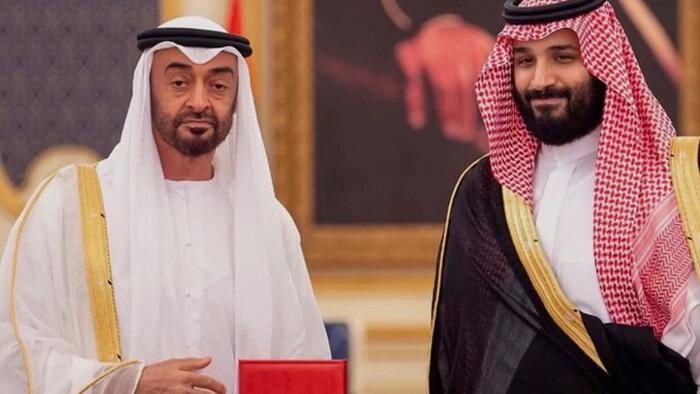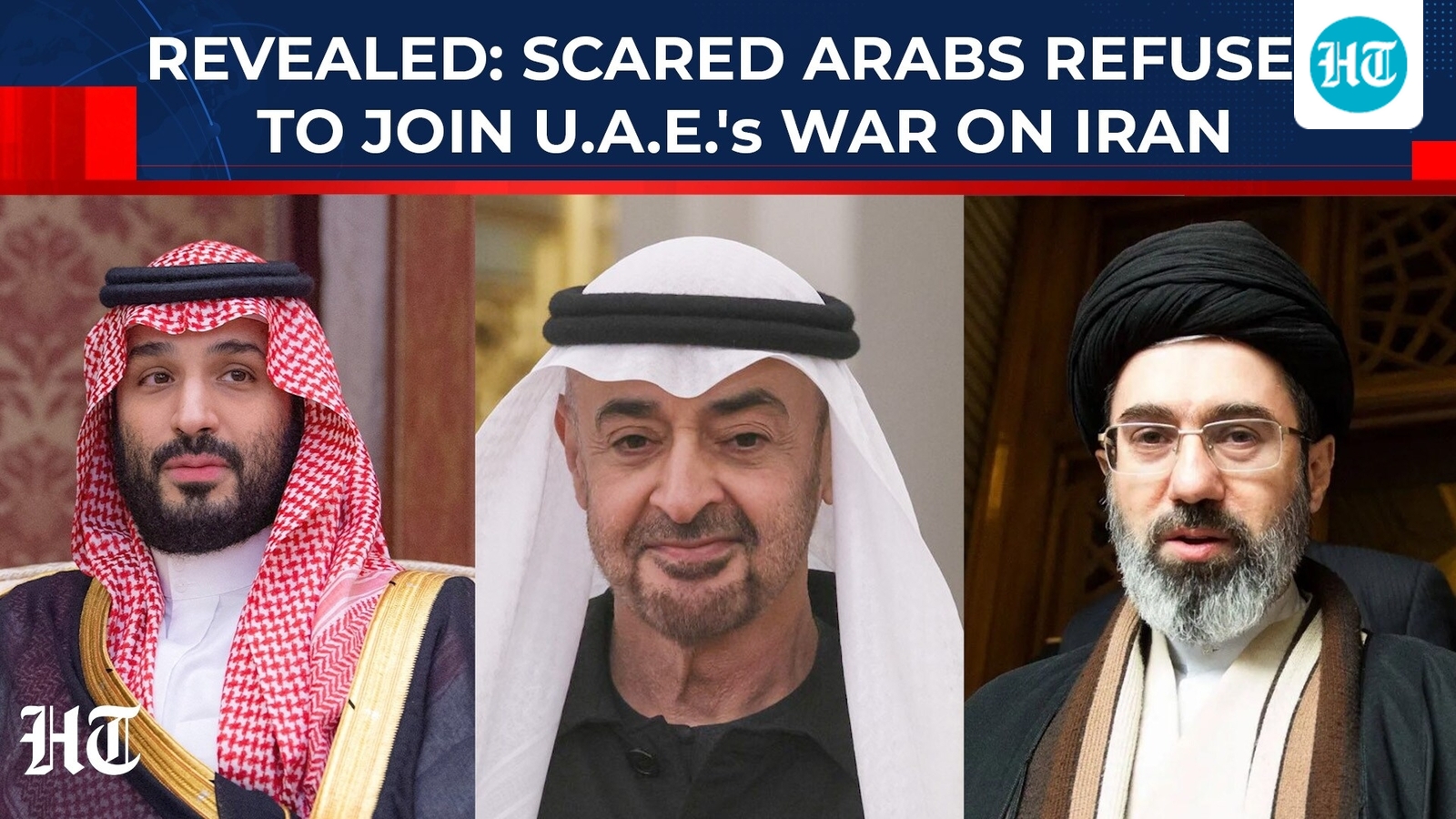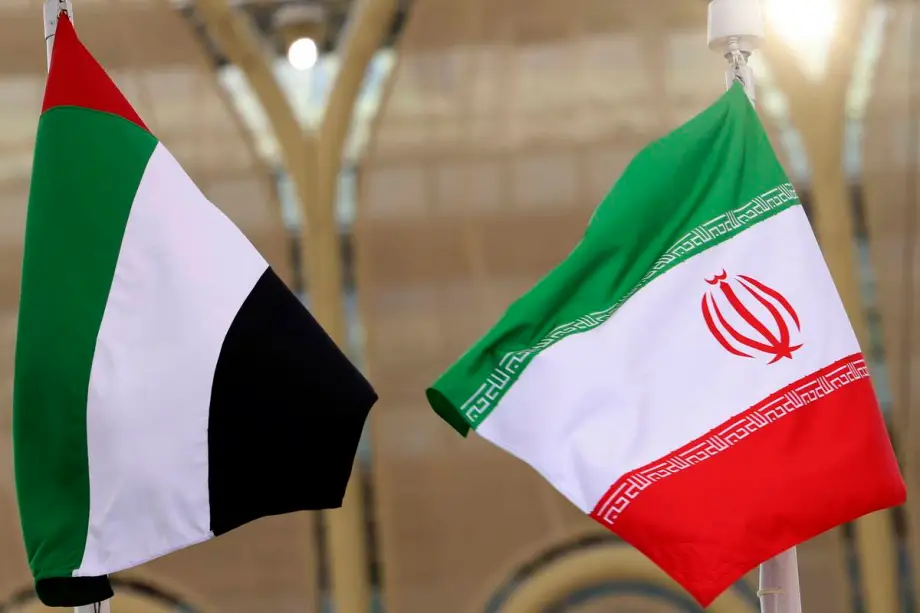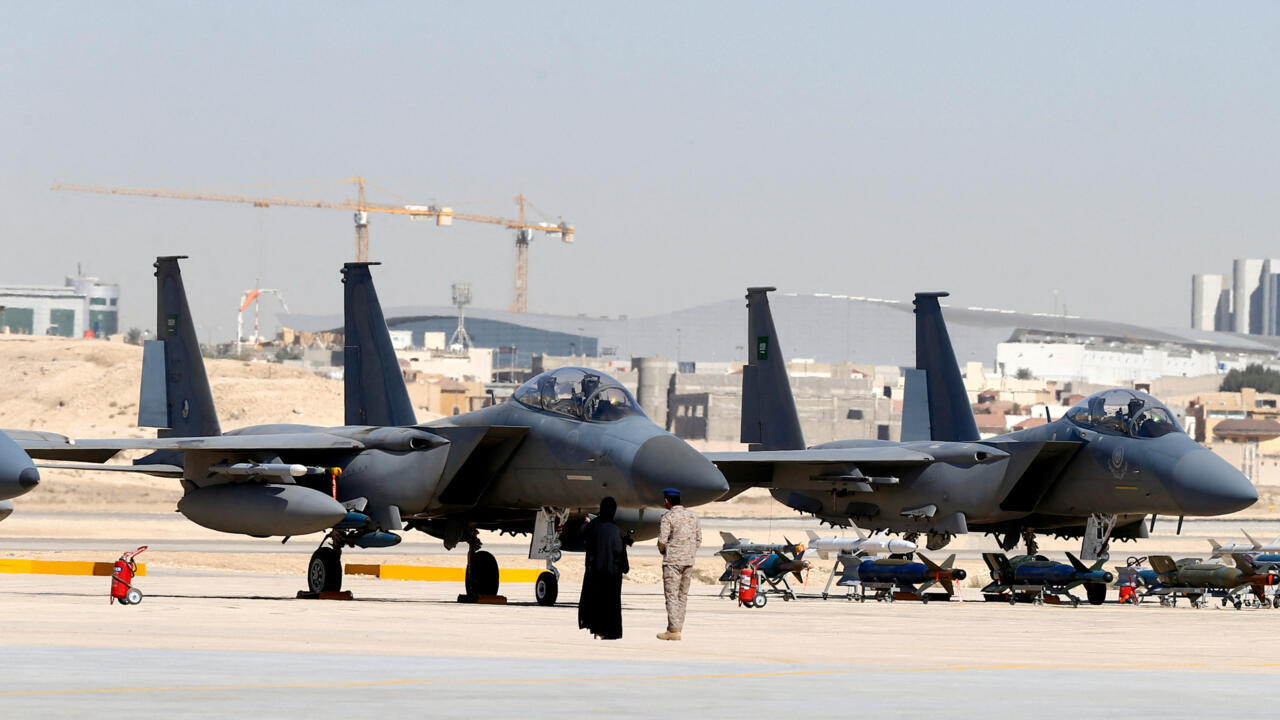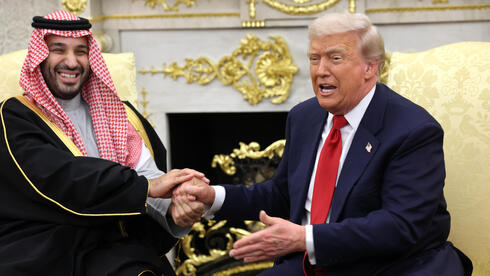
The United Arab Emirates (UAE) reportedly failed to persuade neighboring Gulf states, including Saudi Arabia and Qatar, to join a coordinated military response against Iran following Tehran’s recent strikes across the region. According to Bloomberg’s report on Friday, May 15, UAE President Sheikh Mohammed bin Zayed, commonly known as MBZ, held calls with regional leaders shortly after the US and Israel began strikes on Iran on Feb. 28.JOIN US ON TELEGRAMFollow our coverage of the war on the @Kyivpost_official. Bloomberg, citing people familiar with the discussions, said MBZ believed Gulf states needed to retaliate collectively in order to deter Iran after Tehran launched hundreds of drones and missiles at countries across the Gulf. Iran targeted ports, airports, hotels, residential towers, and energy facilities while also shutting down the Strait of Hormuz, disrupting oil and gas exports. According to Bloomberg, Saudi Crown Prince Mohammed bin Salman and other Gulf leaders told MBZ the conflict “wasn’t their war.” The report said the refusal frustrated Abu Dhabi and further worsened already tense relations between the UAE and Saudi Arabia. During the conversations, MBZ reportedly reminded his Gulf counterparts that the Gulf Cooperation Council (GCC) was originally created in 1981, partly due to fears surrounding Iran’s Islamic Revolution. Despite the UAE’s efforts, Qatar, Bahrain, Kuwait, Oman, and Saudi Arabia ultimately avoided joining coordinated military action against Iran.
UAE Reportedly Pushed Saudis, Qatar to Attack Iran – and Was Rejected
The UAE reportedly tried to persuade Gulf neighbors to join a coordinated military response against Iran but was rebuffed by Saudi Arabia and Qatar.
620 words~3 min read