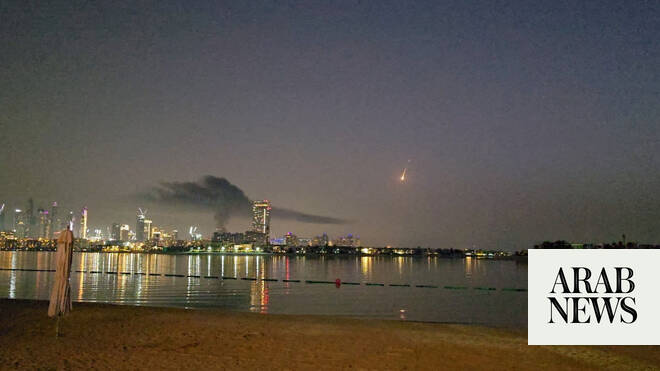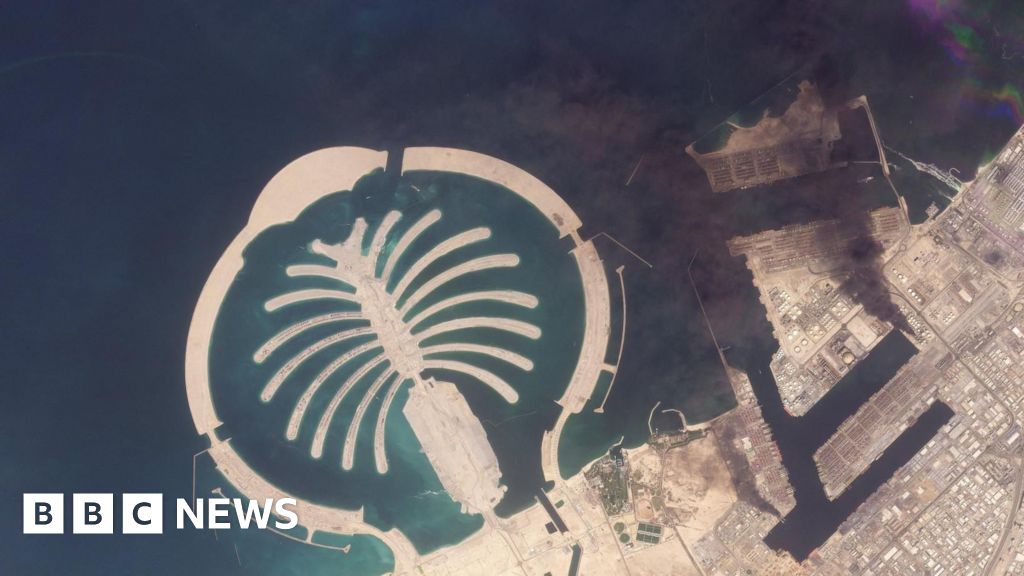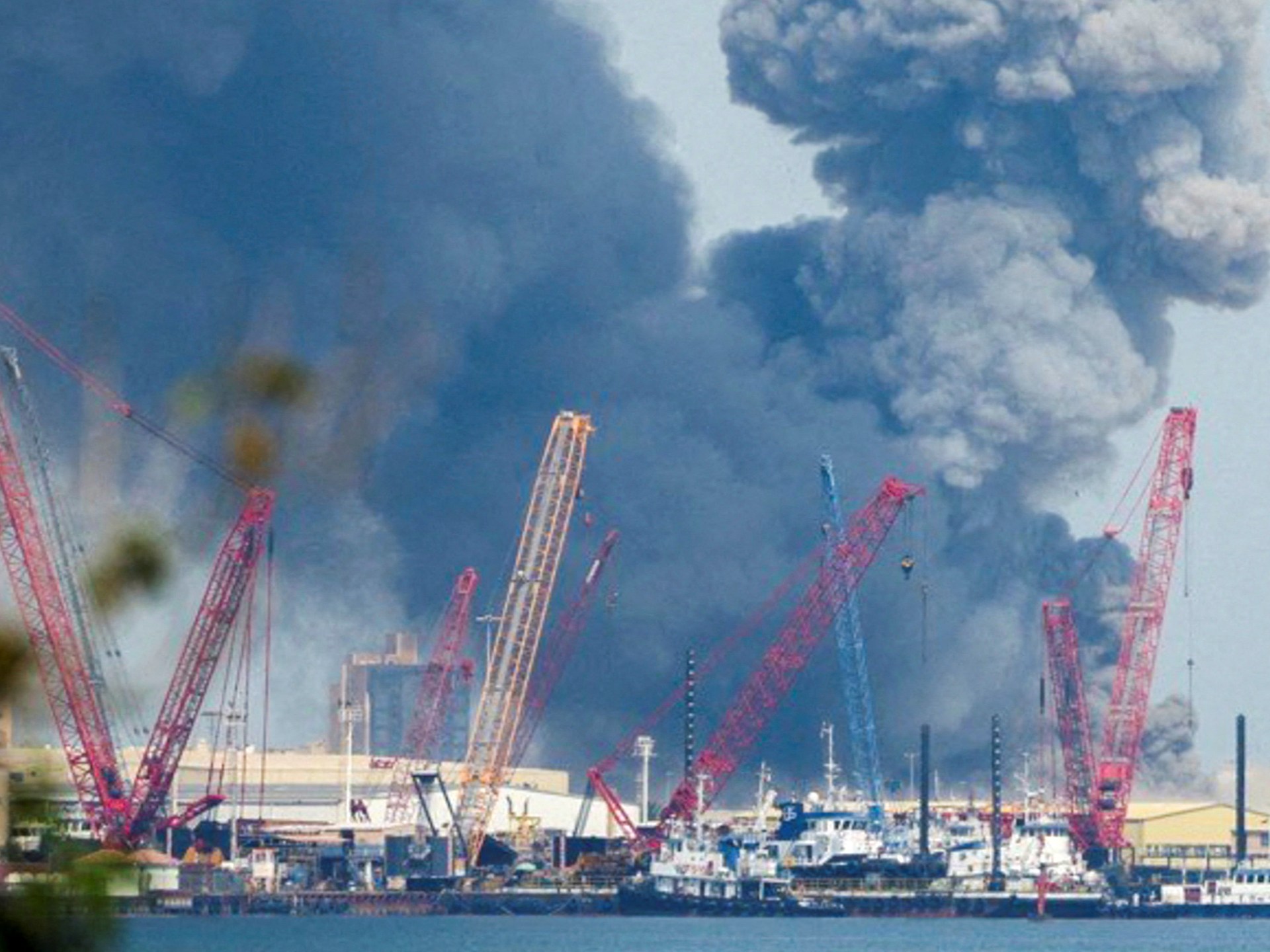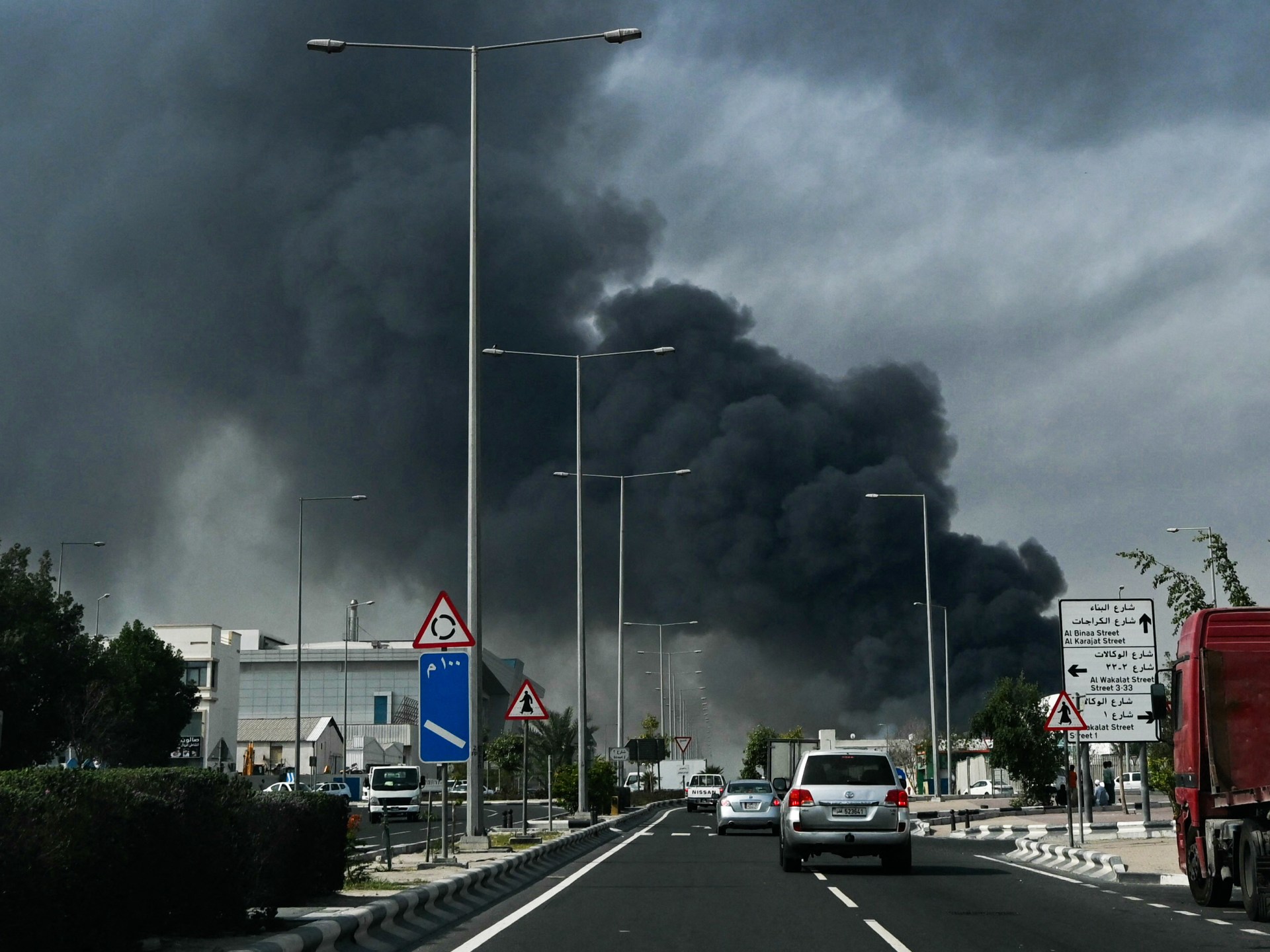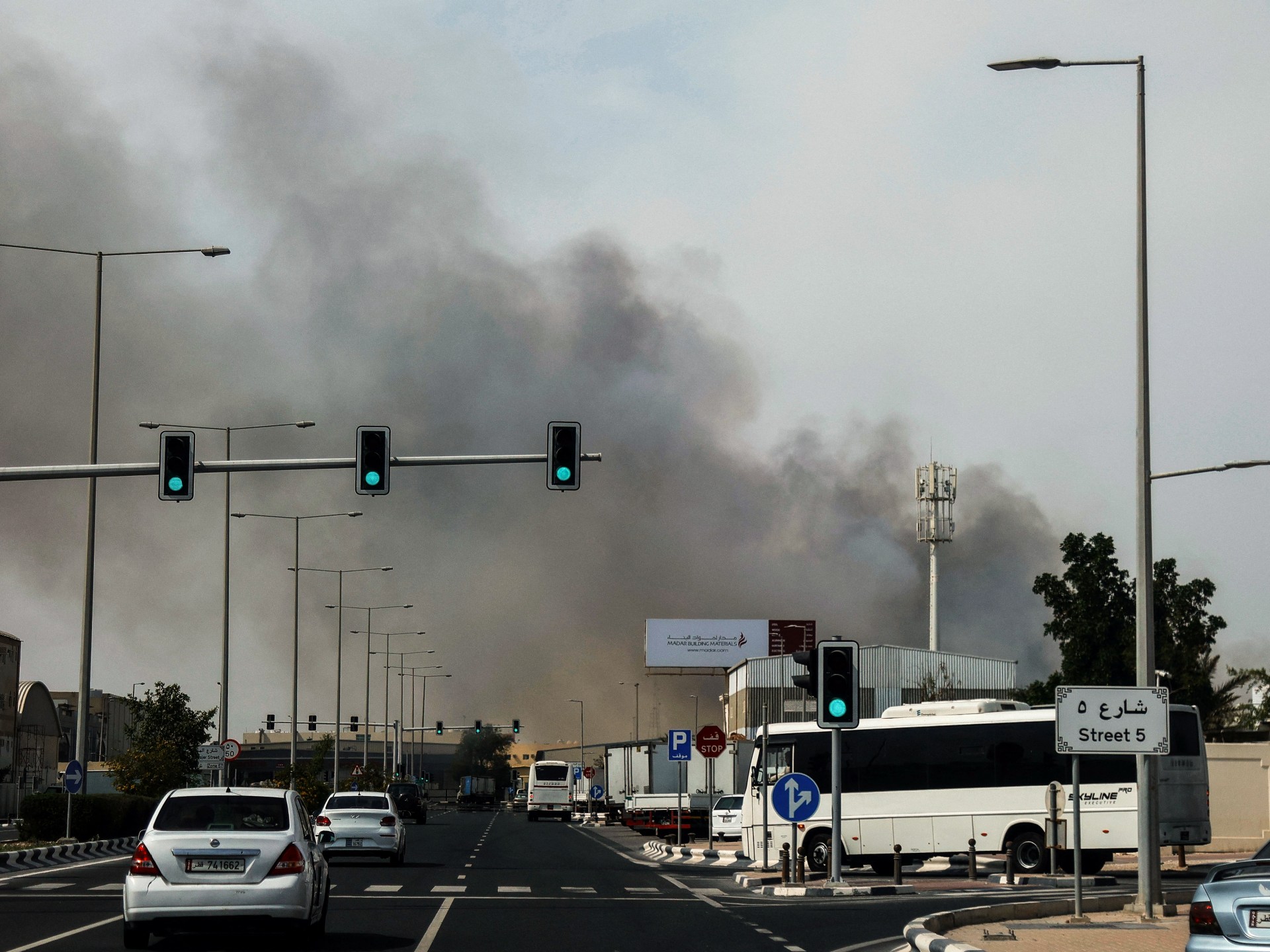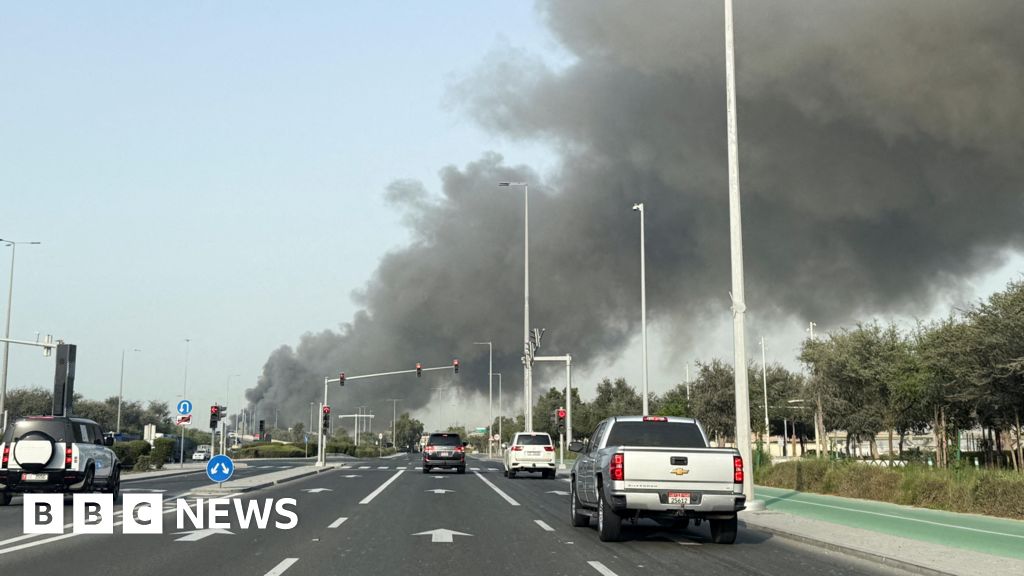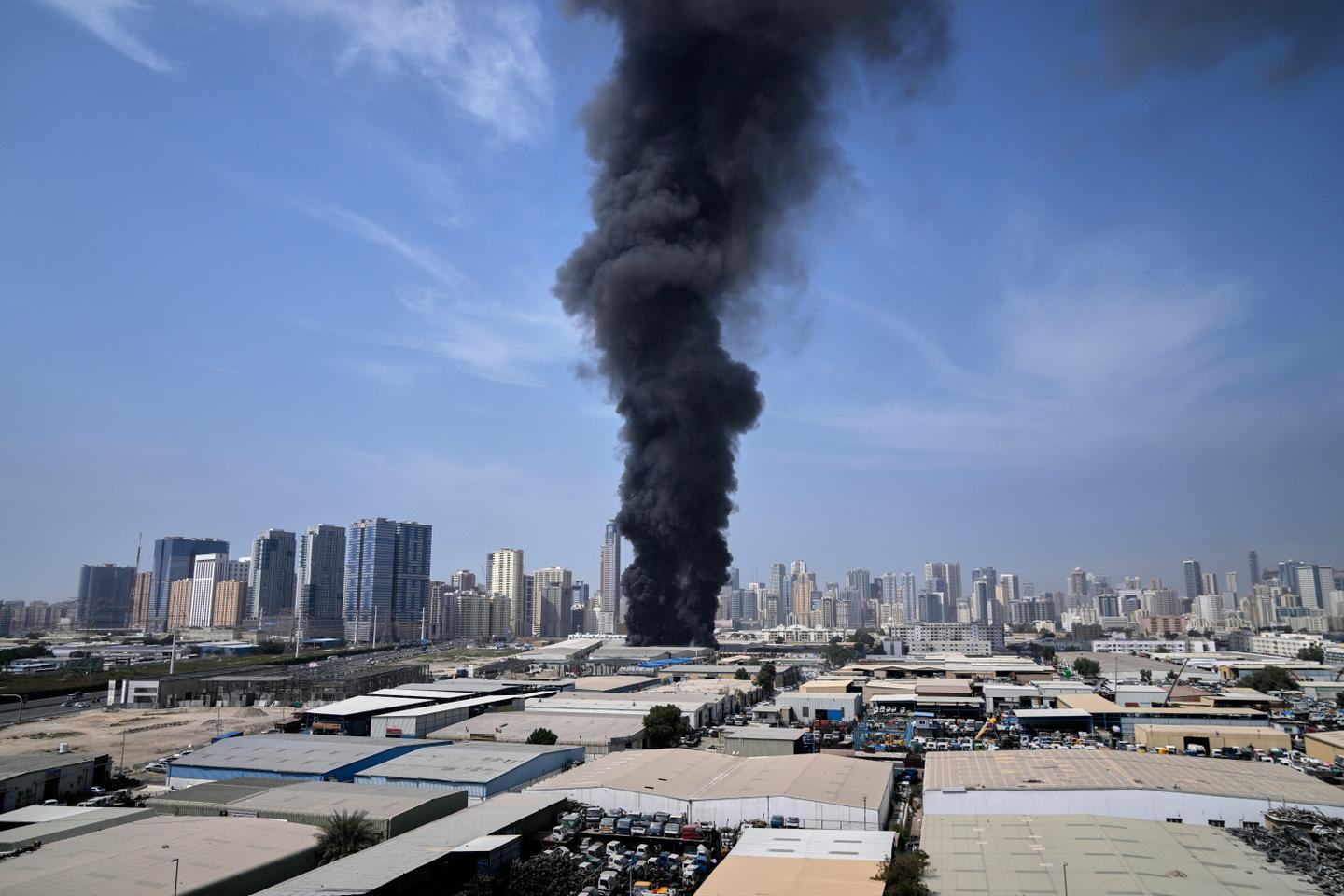
A warehouse burns after an Iranian strike in the industrial zone of Sharjah, United Arab Emirates, on March 1, 2026. ALTAF QADRI/AP
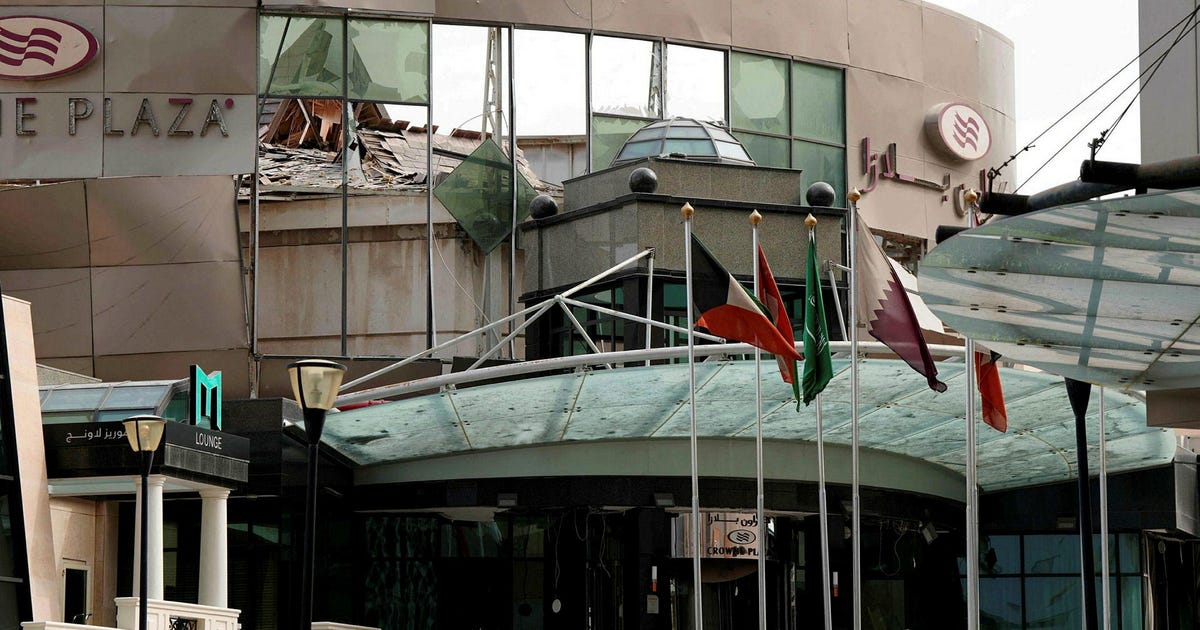
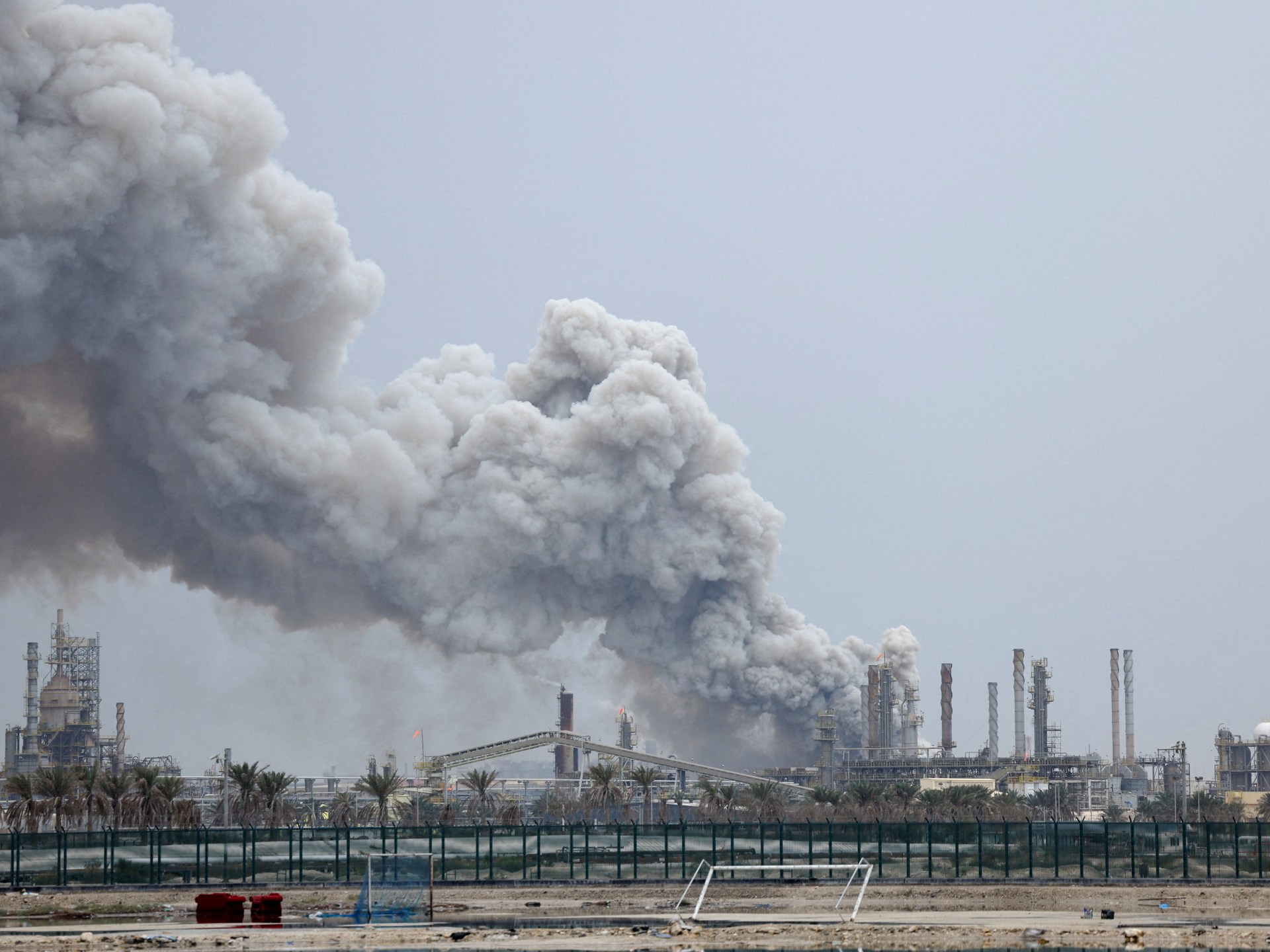
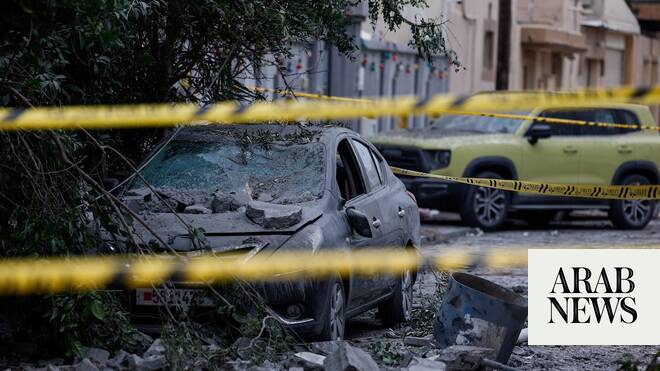
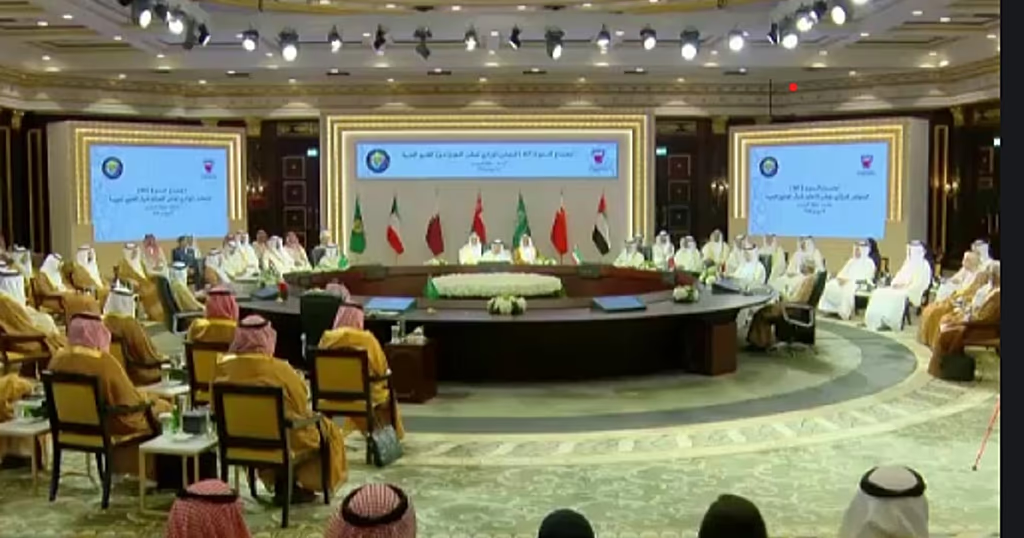
In the capitals of Gulf countries, which have been targets of massive Iranian reprisals since the start of the Israeli-American offensive against the Islamic Republic of Iran on Saturday, February 28, initial shock has given way to anger. Condemning in unison what they call a violation of their national sovereignty, the countries of the Gulf Cooperation Council (GCC) stated during a videoconference meeting of their foreign ministers on Sunday evening that they would take "all necessary measures to defend [their] security and stability and protect [their] territories, citizens and residents, including the option of responding to the aggression."
The scenario long feared by the Gulf countries of being drawn into the war between Iran, Israel, and the United States has now materialized. Confronted with a war threatening its very existence after the death of Supreme Leader Ayatollah Ali Khamenei, the Islamic Republic of Iran chose to regionalize the conflict. The Gulf rulers now face a difficult choice: to continue a dialogue with Iran, which has shown its limits, or to align more closely with the US and Israel, a move that could further expose them to reprisals from their neighbor as it descends into chaos.