The inspiring life of the Black American activist and legal scholar who changed the way the world things about race
K
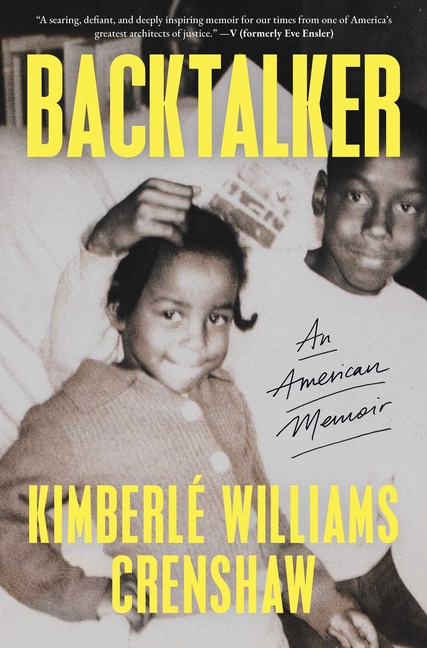
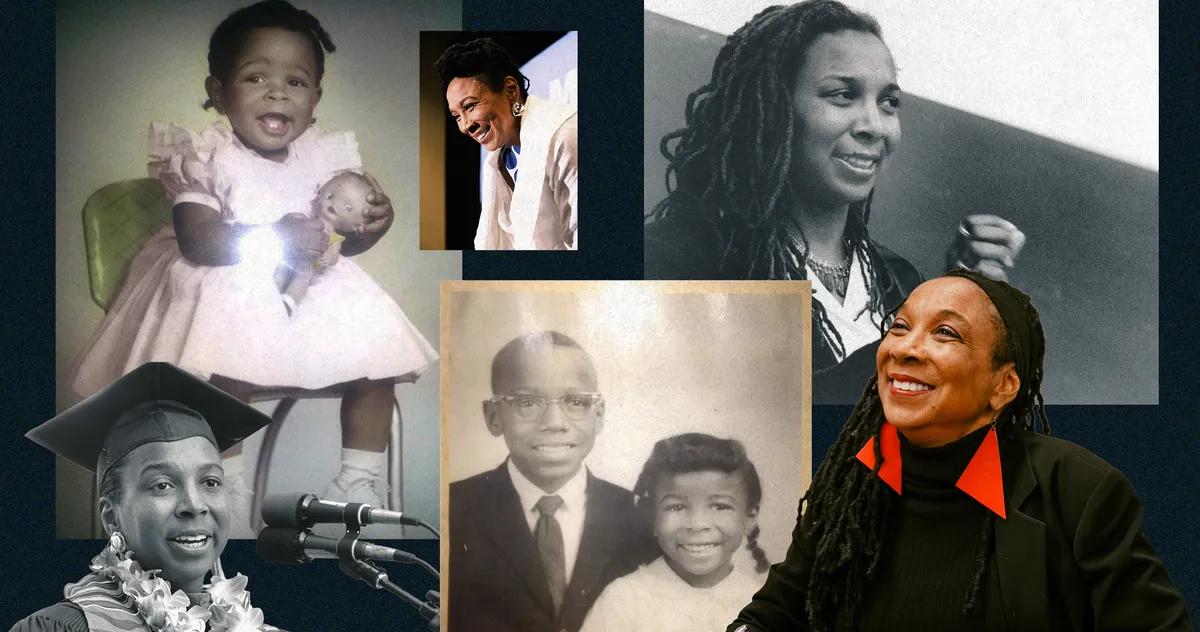
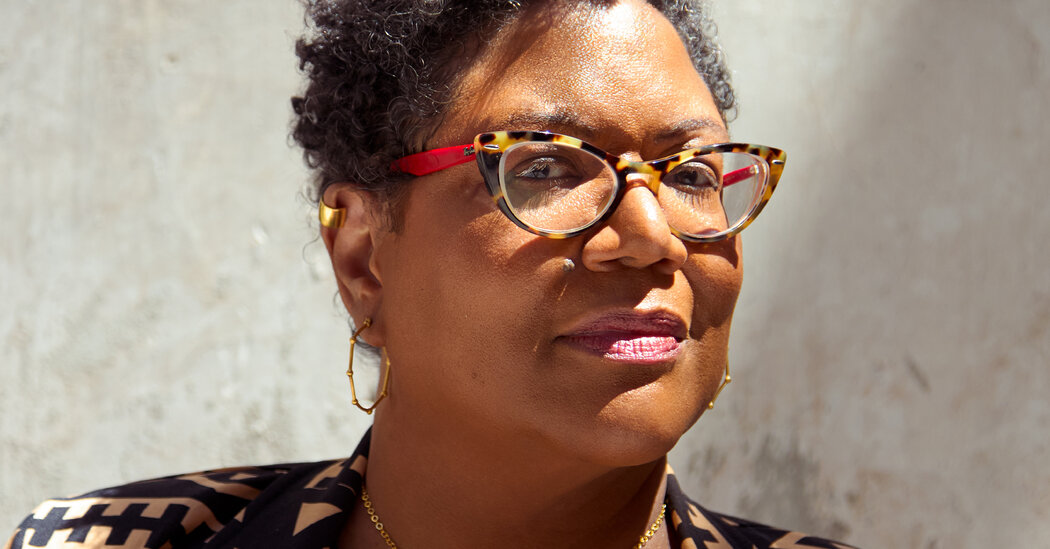
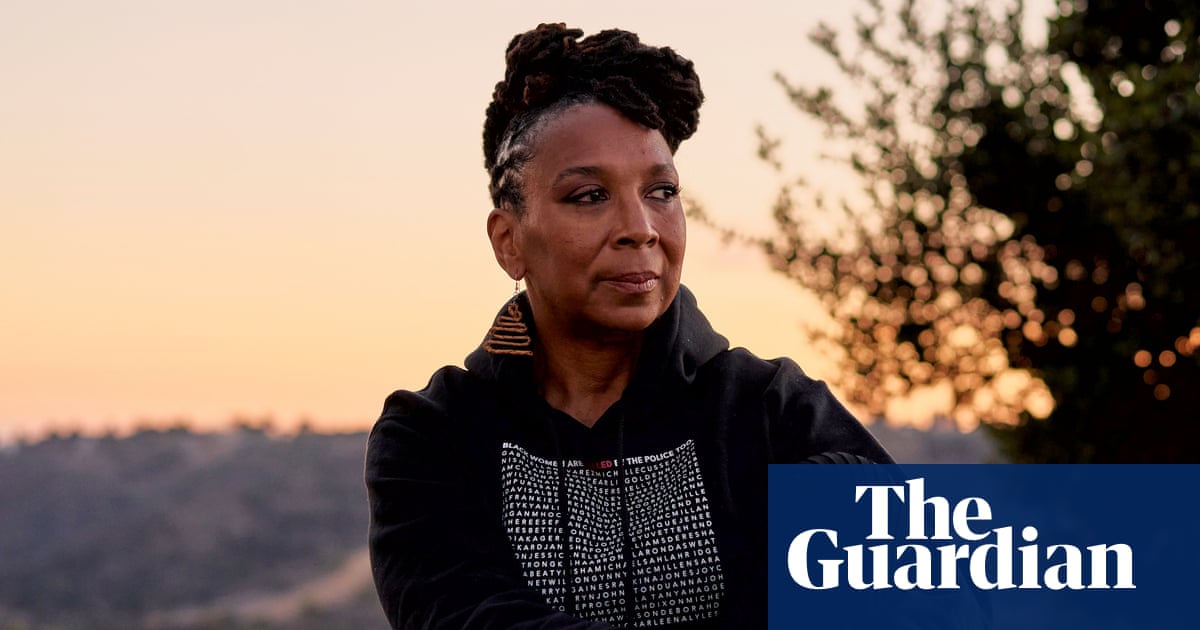
imberlé Crenshaw’s memoir describes a life shadowed by Jim Crow segregation and racism, but lit up by hope. That the social conditions of her early life did not destroy her family, as they had so many others, must be credited to their extraordinary grit and determination. The journey that led Crenshaw to create the influential legal theory of “intersectionality” begins with the “well of thoughtless devaluation faced by little Black girls”. And for all who think those days have long gone, Backtalker is a must read.
“Backtalking” is how Crenshaw responds to anything that does not make sense. Whether as a five-year-old kindergarten student who was allowed to portray a witch but not a princess in a school play, or decades later, lobbying Harvard’s dean of law to hire Black faculty and being asked whether she wouldn’t prefer “an excellent white professor over a mediocre Black one”, Crenshaw talked back. For her, backtalking is about resilience in the midst of struggle, which sometimes painfully includes talking back to the ones we love.
As a child in Canton, Ohio, she saw how white families left her neighbourhood after her own moved in. This was a tale already familiar to her mother. When Mariam Crenshaw was a little girl in the 1920s, she was taken to the local pool – in a largely white neighbourhood – to swim. While she was splashing about, the attendant demanded the other children get out and drained the pool of water. Not one to take things lying down, Marian’s mother rallied other Black families, and later that day, they returned as a group to the re-filled pool to swim. The attendant called the police, but there was nothing to be done, since no laws had been broken. Racism also backtalks, of course: eventually the pool was closed and filled with concrete, a common fate among public pools that had been forced to desegregate.