Her YA classic was inspired by racism in 1990s Britain. A quarter of a century later, she talks about success, death threats and getting shoutouts from Tinie Tempah and Stormzy
‘I
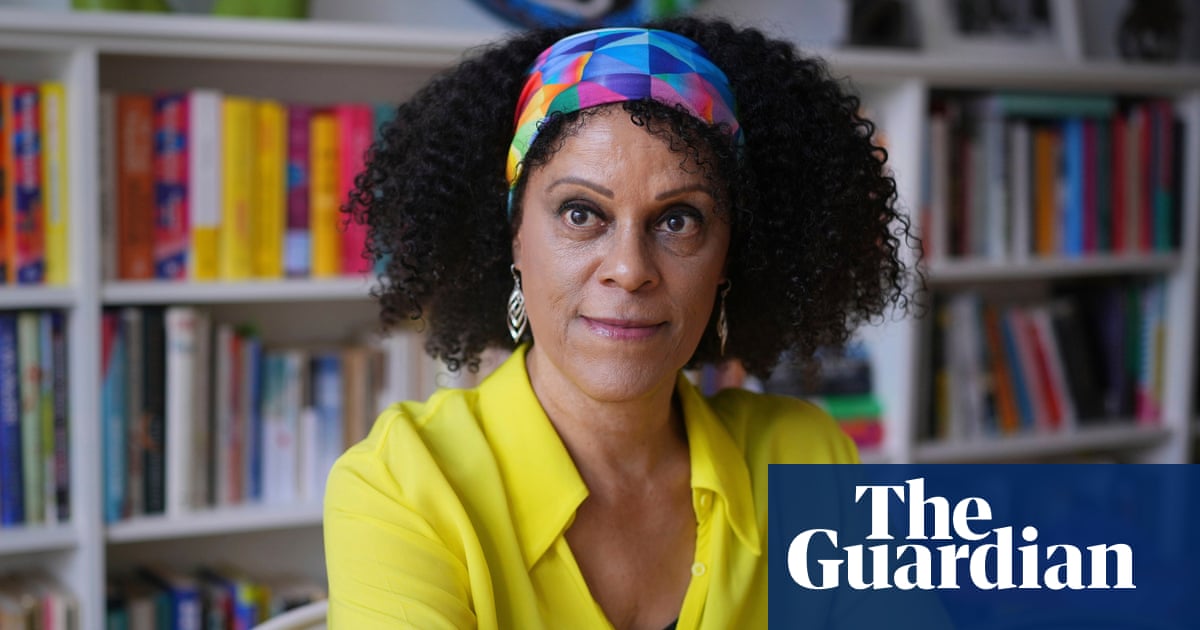
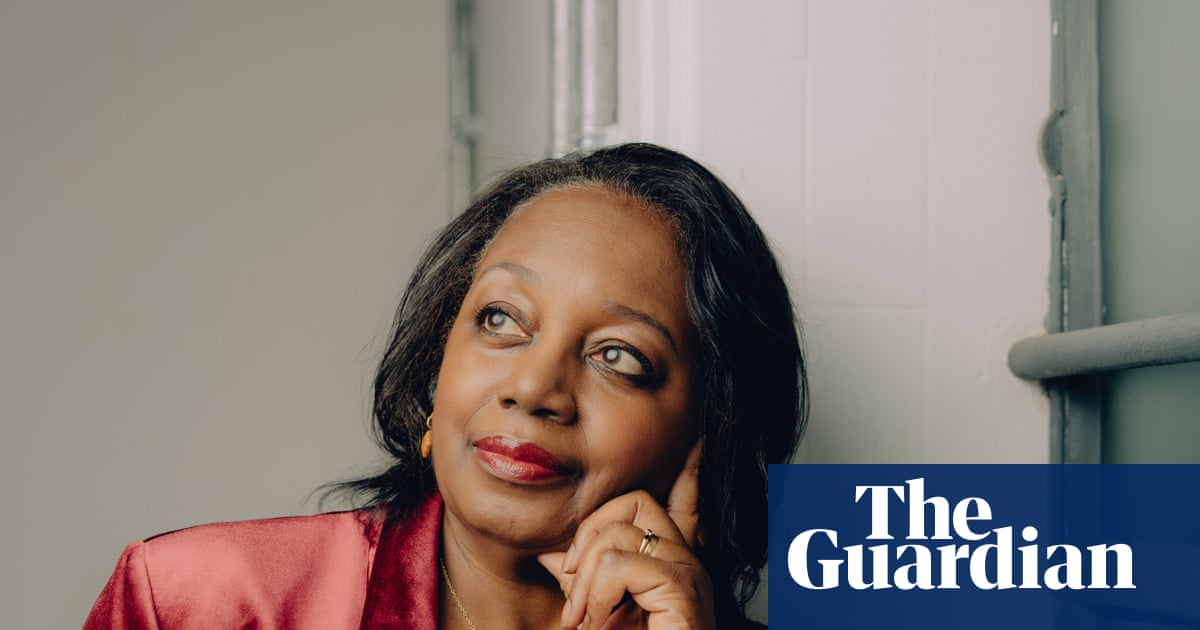
’m useless at this bit,” Malorie Blackman laughs, shifting awkwardly in a plum-coloured jacket and smart black trousers. It is a gloomy February evening in the back room of a theatre in west London, and she is having her photograph taken, the rain pummelling the brick outside.
Blackman is, by any reasonable metric, one of the most significant writers Britain has produced in the past quarter of a century – the closest thing my generation, who were raised on her books, has to a literary rockstar. And yet, she seems faintly baffled by the notion that the spotlight should rest on her for long. “I hate being in front of the camera!”
This year marks a quarter century since the publication of her most famous book, Noughts & Crosses, the first in what became a nine-book young adult phenomenon. Set in Albion – an alternative Britain colonised centuries earlier by Africa – Black citizens (known as Crosses) hold political, economic and cultural power; white citizens (Noughts) are the underclass, segregated, overpoliced and structurally disadvantaged. The country is recognisable but inverted: there has never been a Nought prime minister; “flesh-coloured” plasters do not match Nought skin; segregated schools are defended as tradition; and extremist groups radicalise young men who feel they have nothing left to lose.