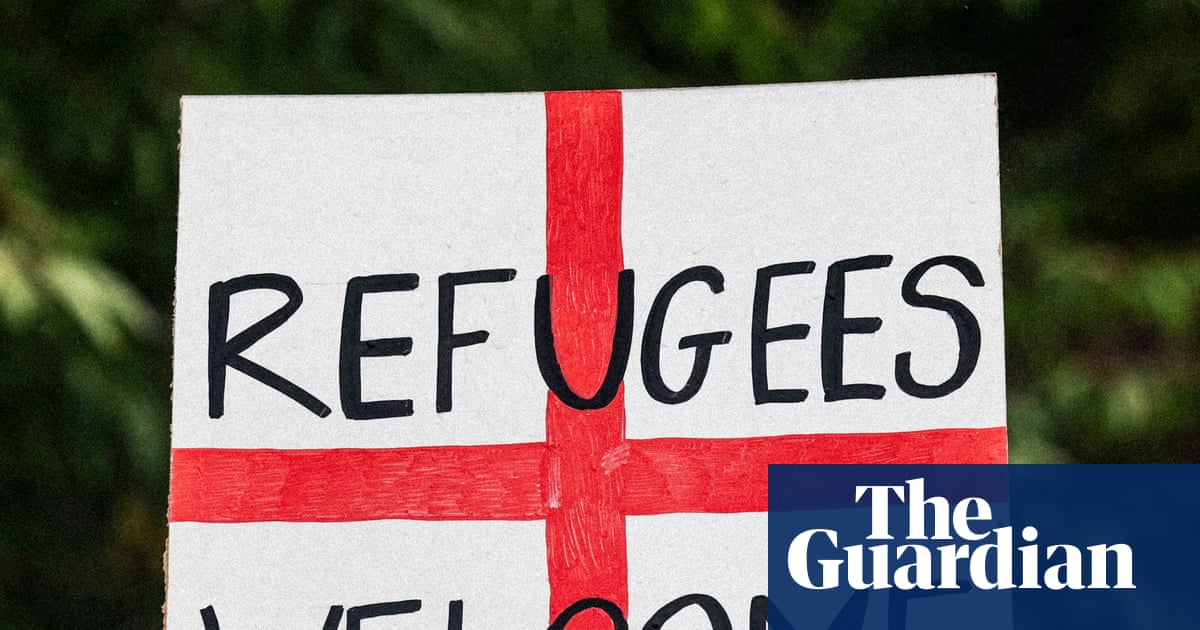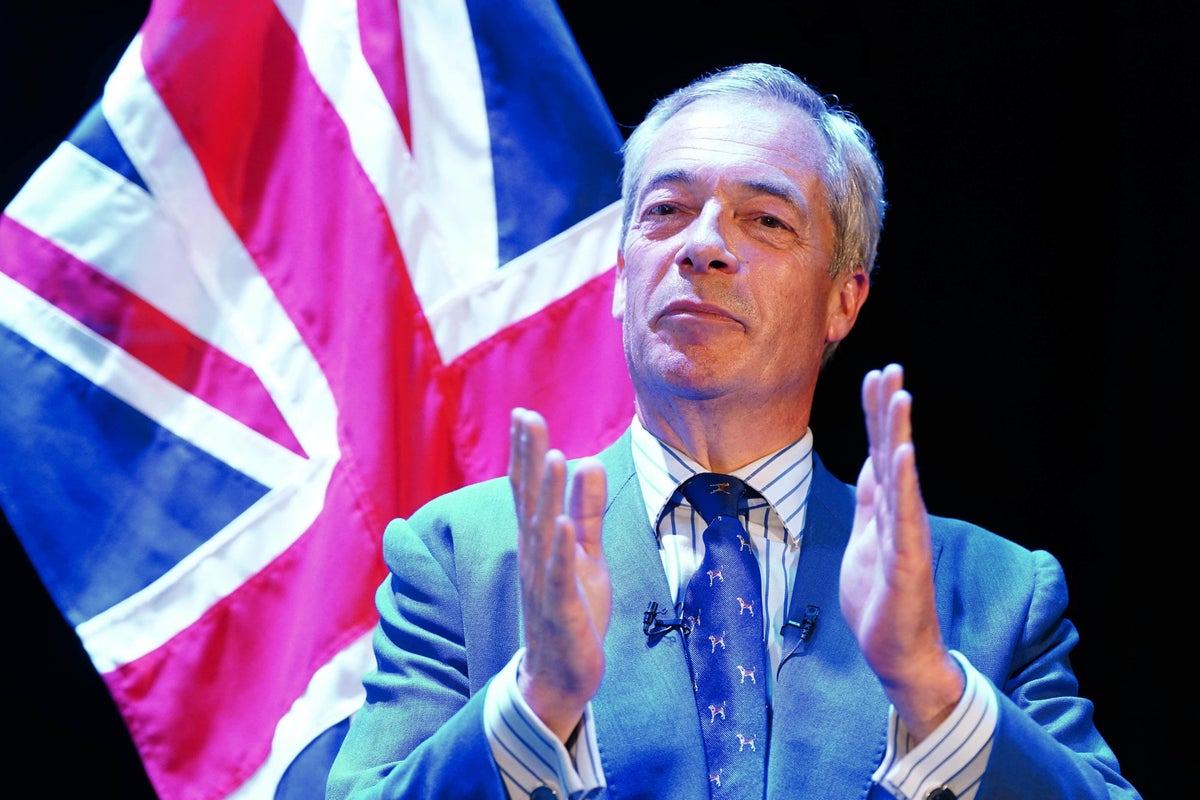
I’ve experienced more racism in the past year than the rest of my life put together – the only answer is for young people to stand up to the far right
W
hen my dad went to school in the 1970s, the kids used to pretend he was invisible. Every day he would try to make conversation and play with the other children, and every day he would be ignored. One night it got so bad that my grandma found him crying himself to sleep, unable to process, as an eight-year-old, why no one would want to talk to “the brown kid”. This kind of social exclusion was sadly all too familiar in postwar Britain – my white grandma had endured her own share of abuse ever since she fell in love with my Sri Lankan grandad in 1966, committing the family’s original sin of interracial marriage.
When I heard these stories as a child, they felt like terrible tales from a different time – one of National Front marches and street battles, shot with big bulky cameras on black-and-white film. Growing up at a multicultural school in south-west London in the 2010s, I certainly had a different childhood to my father’s – the notion of being an outcast because of the colour of your skin was nothing short of laughable. Now, though, it doesn’t seem quite so funny.