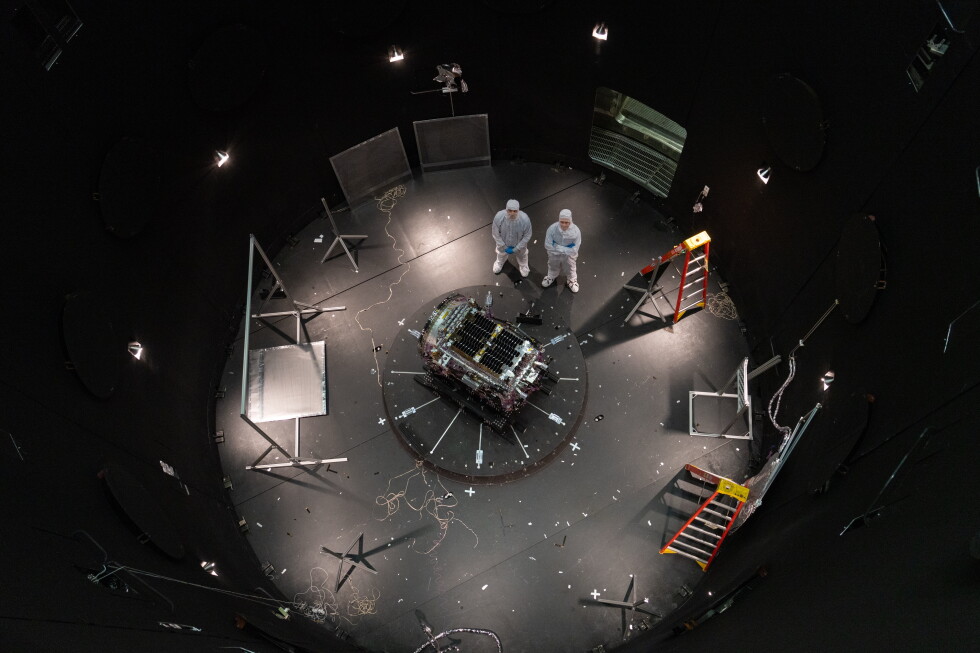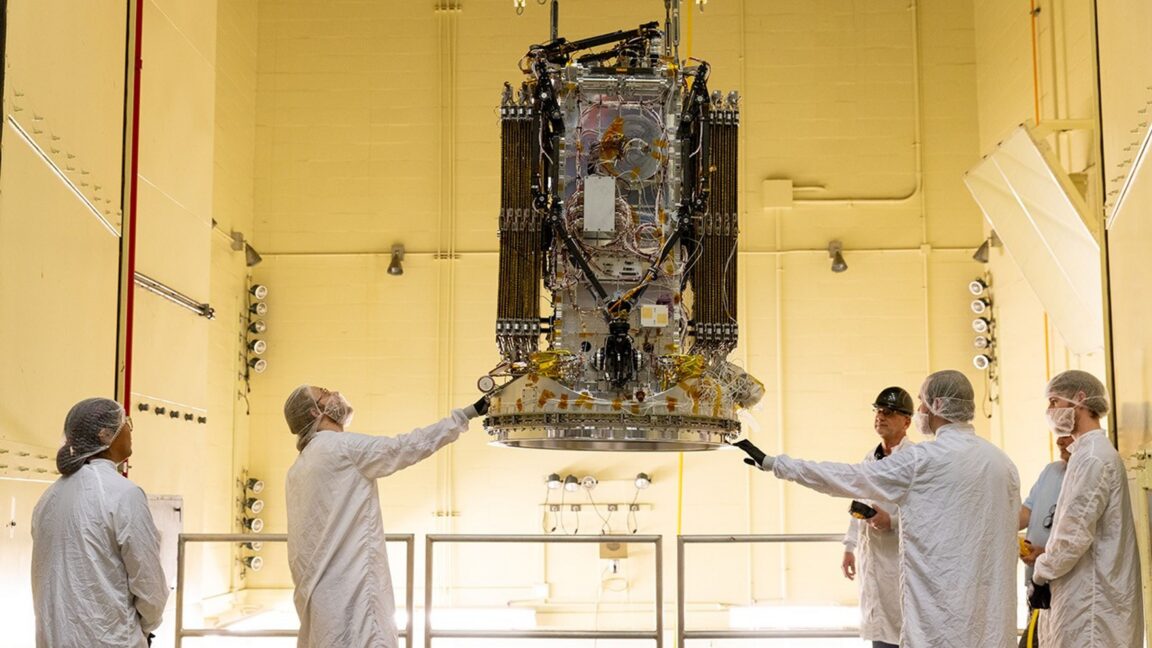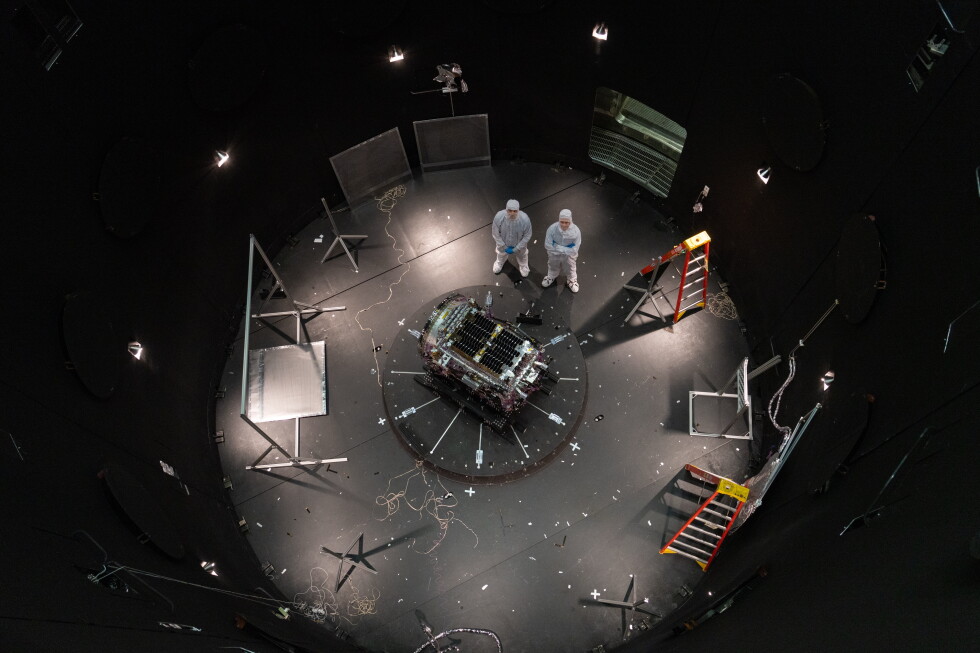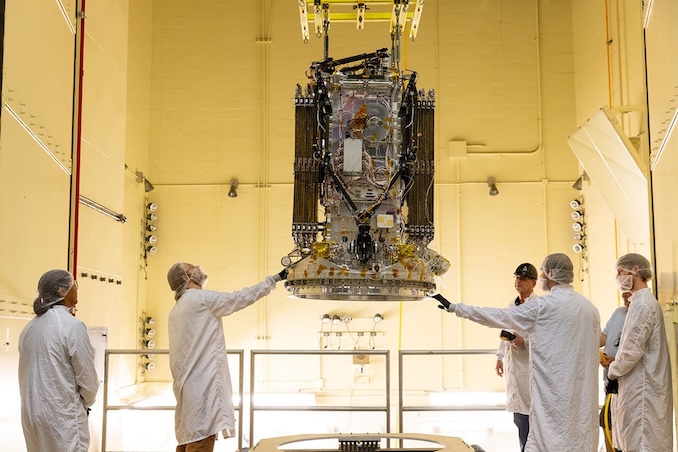
Engineers from Katalyst stabilize their Link robotic servicing spacecraft as it moves into a vibration chamber at NASA Goddard on April 15, 2026. The vibration chamber simulated the intense shaking Link will experience during launch. Image: NASA/Sophia Roberts
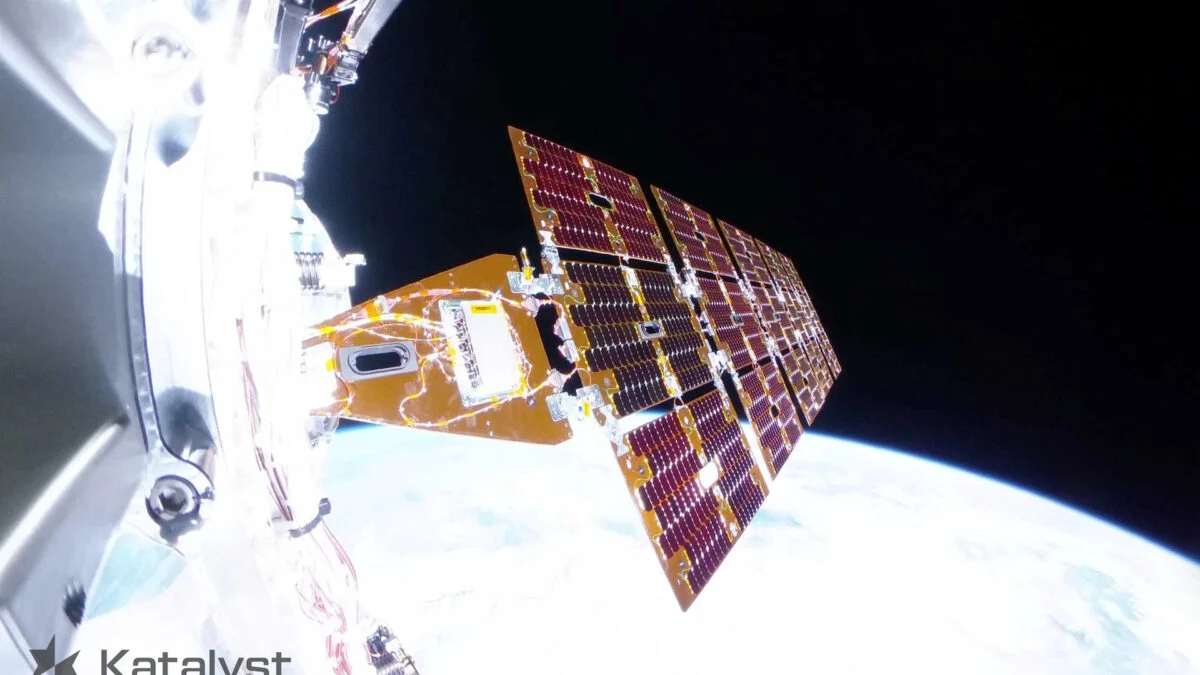
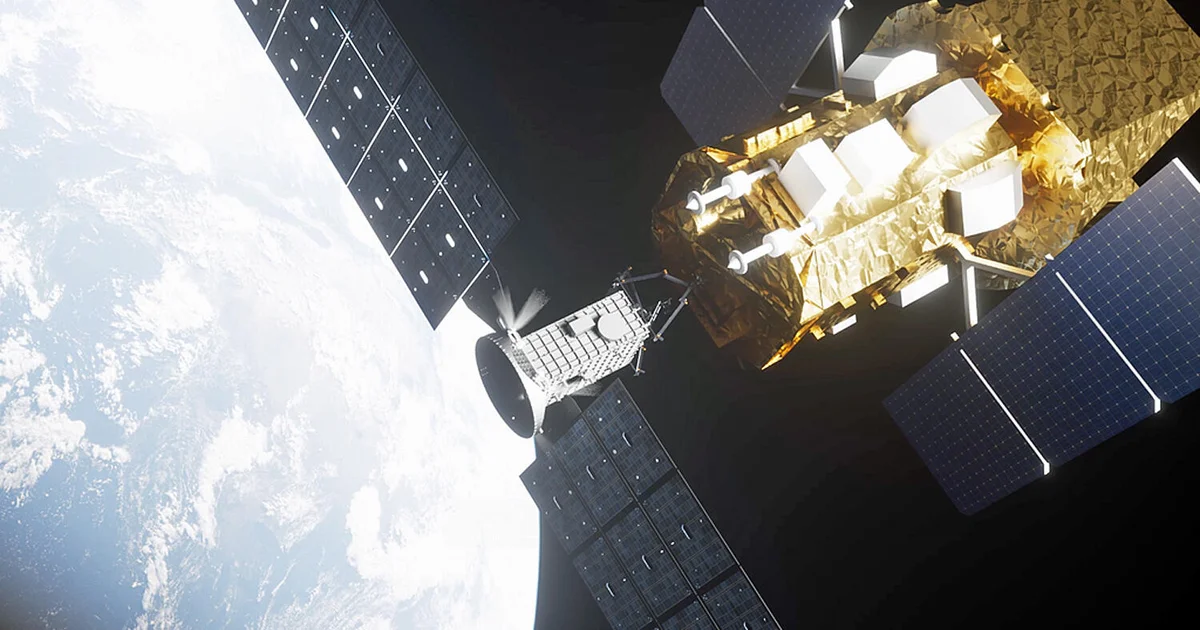
A mission to prevent a $500 million NASA space observatory from meeting a fiery demise just passed a notable prelaunch testing milestone. The Neil Gehrels Swift Observatory, a spacecraft launched in 2004, is at risk of falling back through the atmosphere and burning up without intervention.
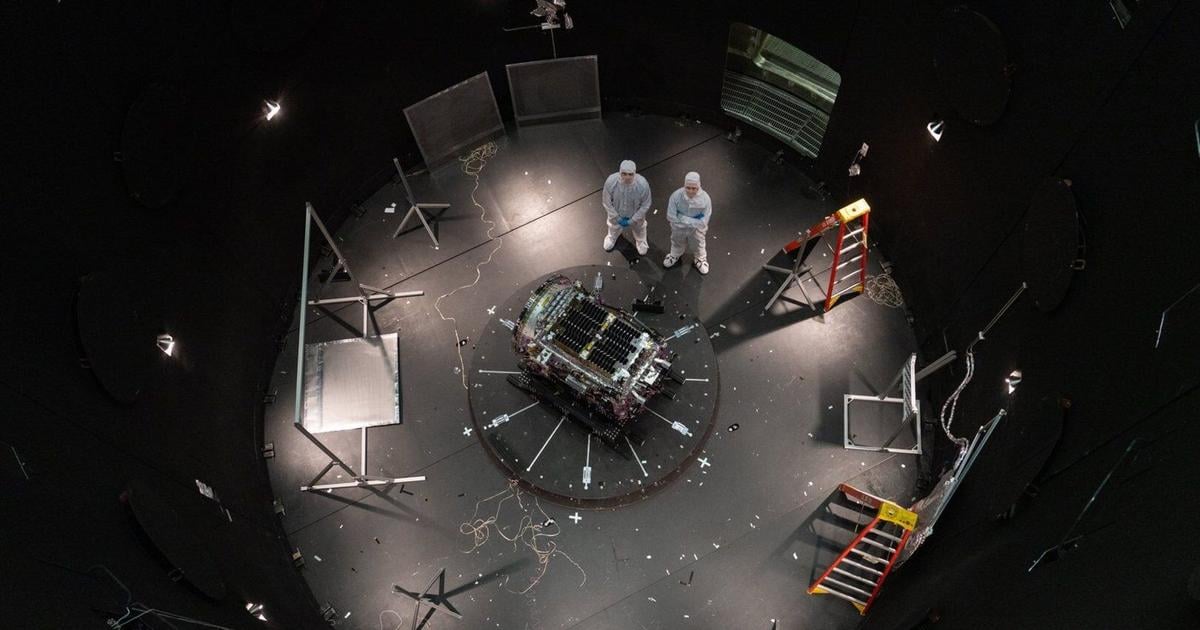
On Friday, NASA announced that the Link spacecraft, manufactured by Katalyst Space Technologies to intervene before Swift’s fate is sealed, completed its slate of environmental testing at the agency’s Goddard Space Flight Center in Greenbelt, Maryland. Testing in the Space Environment Simulator concluded on Monday, May 4, and the spacecraft returned to Katalyst’s facilities in Broomfield, Colorado, for additional, prelaunch testing.
“The Swift boost attempt is a fast, high-risk, high-reward mission,” said John Van Eepoel, Swift’s mission director at NASA Goddard, in a NASA press release. “Swift will likely re-enter the atmosphere sometime later this year if we don’t attempt to lift it to a higher altitude. Katalyst has gotten to this point in just eight months, and we’re glad they were able to use NASA’s facilities to test Link and draw on our expertise to help tackle questions that popped up along the way.”