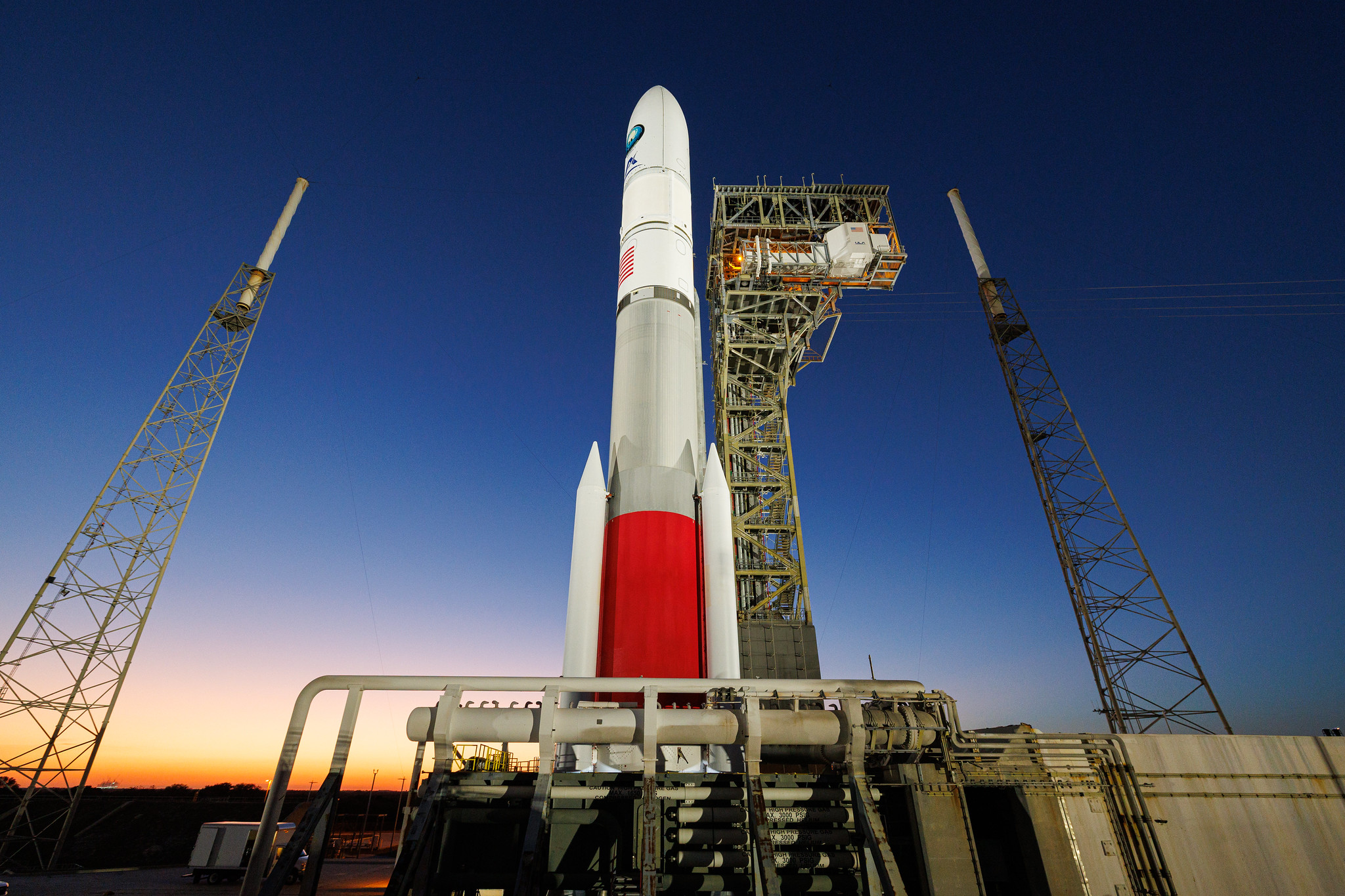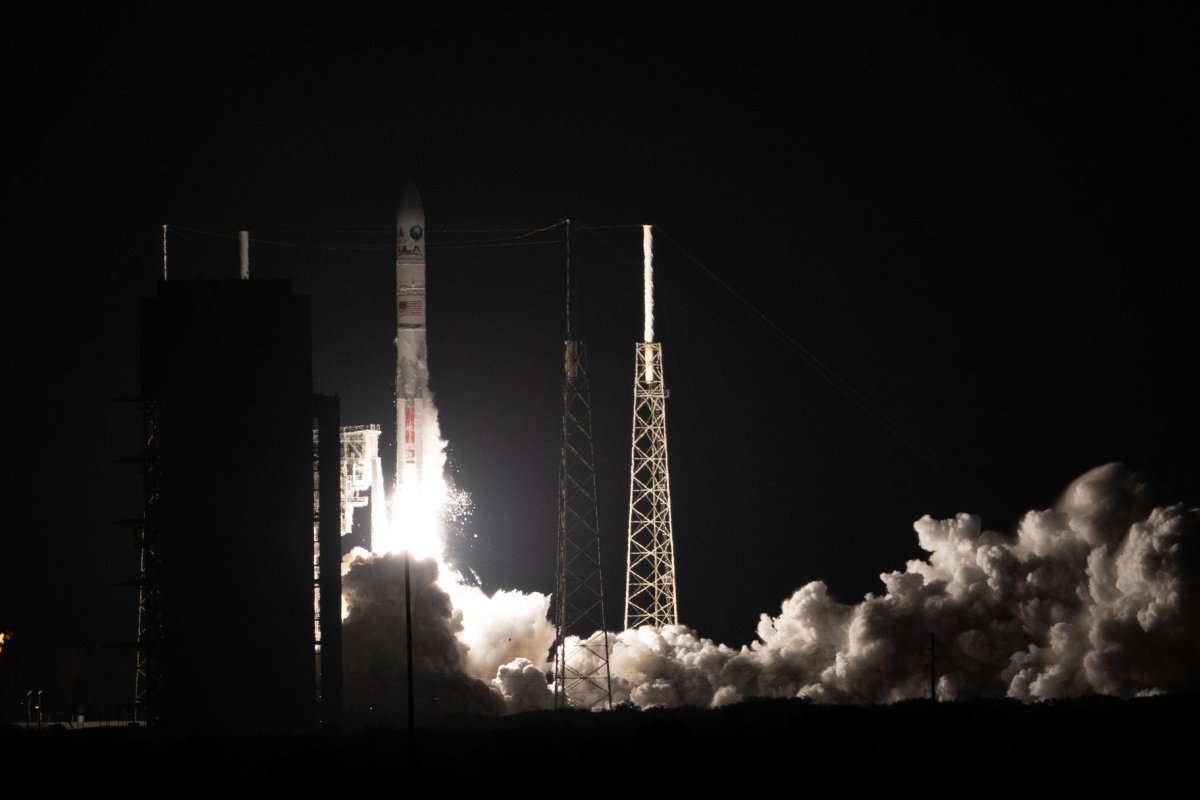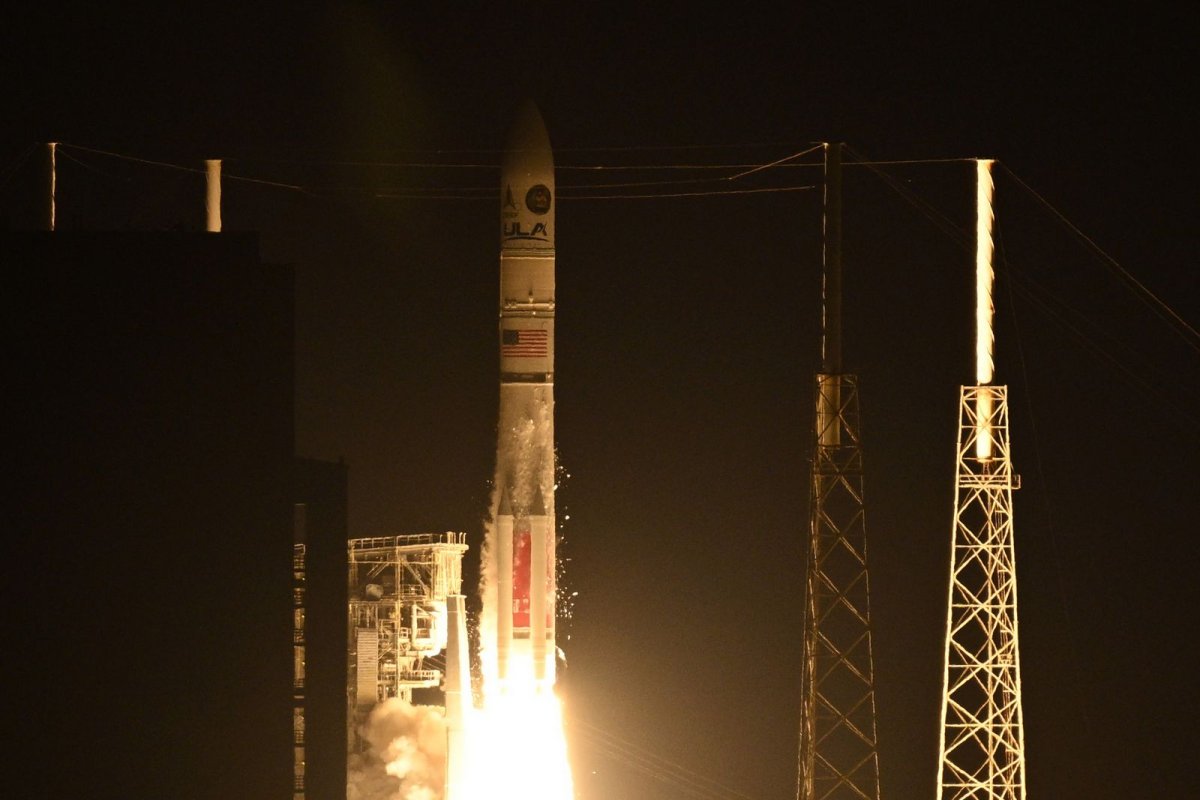
United Launch Alliance oversaw the completion of a critical milestone in mid-April on the road to resuming flights with its Vulcan rockets.
On April 15, the company said Northrop Grumman performed a successful static fire test of a Graphite Epoxy Motor (GEM) 63XL Solid Rocket Booster (SRB). A spokesperson told Spaceflight Now on Thursday that the test served to “demonstrate nozzle design enhancements which were already in work and an advanced propellant technology for future solid rocket motors across their portfolio.”
“The information gathered from this test, along with findings from the investigations will provide critical data to validate analytical models and support Vulcan’s return to flight,” the spokesperson said.
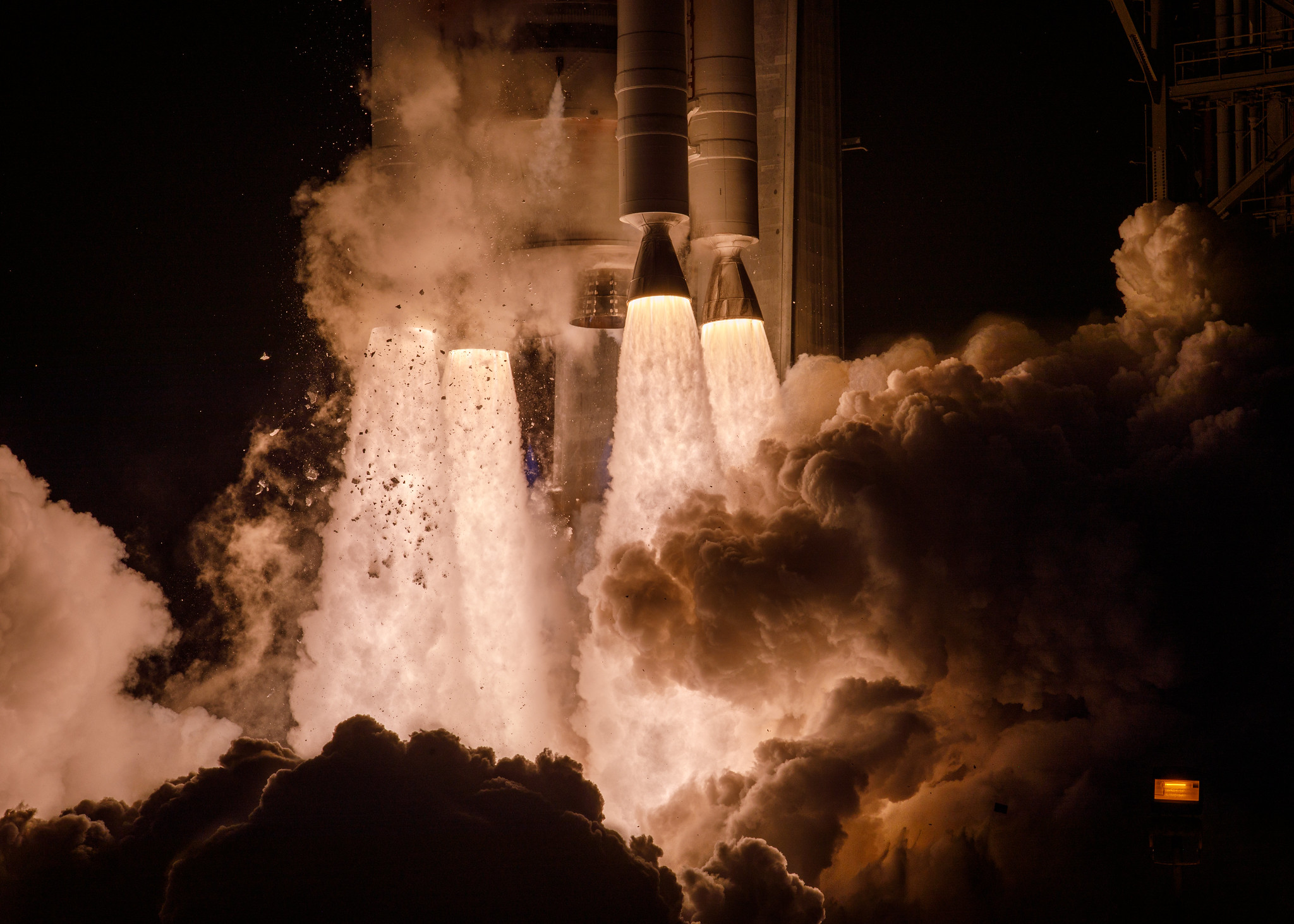
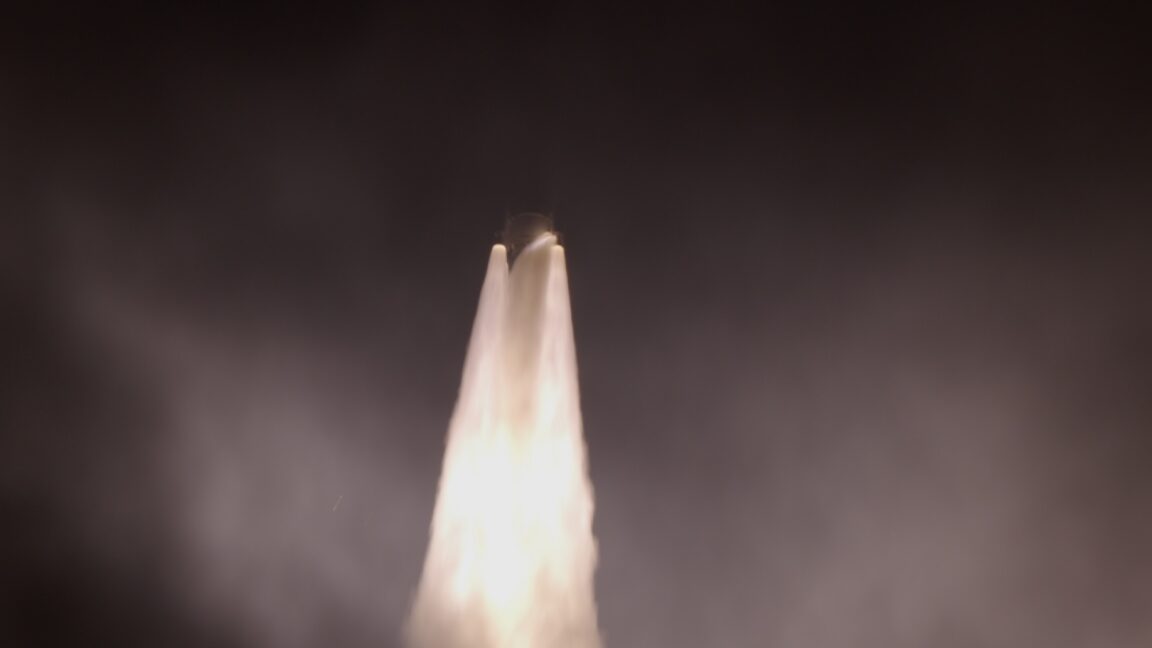
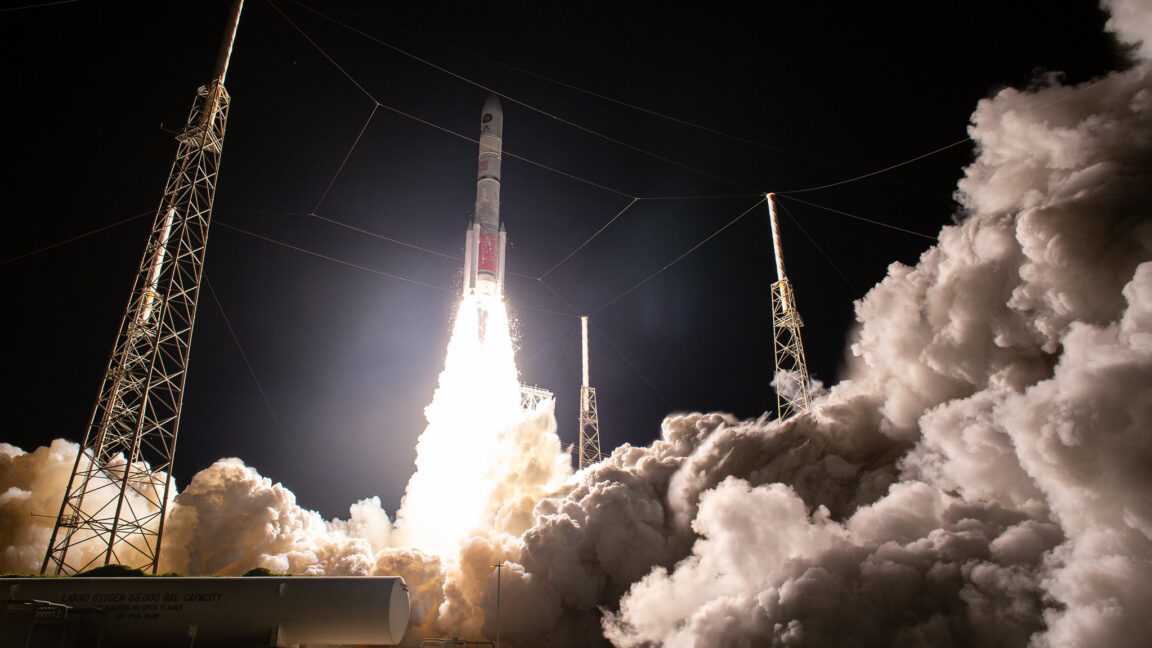
During the launch a mission for the United States Space Force, dubbed USSF-87, one of the four SRBs attached to the Vulcan booster suffered a nozzle problem prior to SRB separation. The rocket rolled more than intended following the incident.
“There was some asymmetric thrust when we had that solid motor fail, it reduced performance,” said Gary Wentz, vice president of Government and Commercial Programs at ULA. He spoke with Spaceflight Now in the days leading up to the Artemis 2 launch.