Enter your email to receive alerts for this author.
Sign in or create an account to better manage your email preferences.
Are you sure you want to unsubscribe from email alerts for Nitish Pahwa?
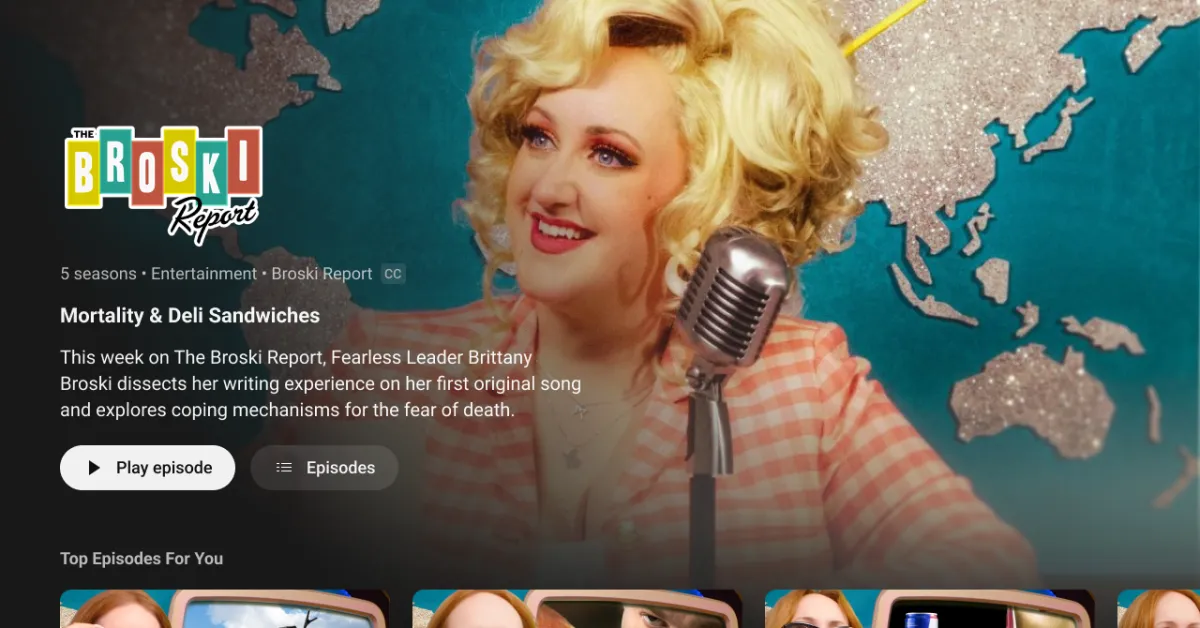
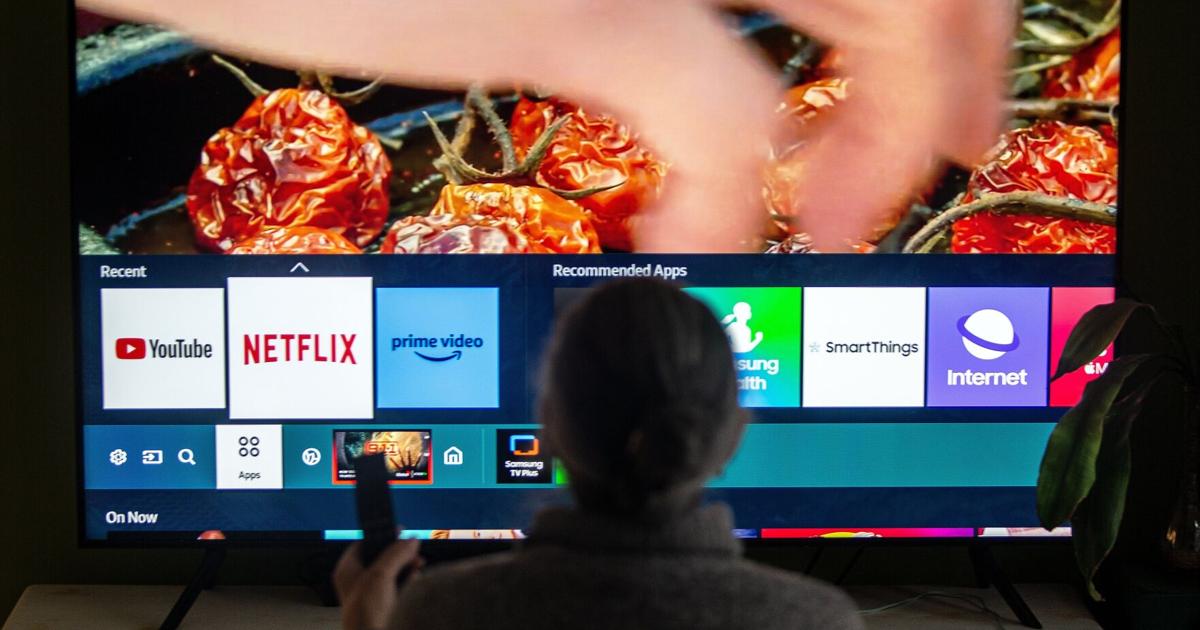
Some of the world’s biggest tech companies have begun plotting out their next pivot—and it’s all taking place on your TV screen. Earlier this month, Google announced that its Photos app would be accessible on Samsung’s smart TVs, letting you display your images easily in widescreen instead of forcing you to project them from your phone. YouTube brought its formerly mobile-exclusive Gemini-powered summaries and timestamps to its megapopular TV app in March. Music streaming services, newsletter platforms, and even Instagram are reshaping their products—in the latter’s case, short-form Reels—for the biggest screen in your house. The trend is clear: Your TV is becoming more and more like your phone each day.
TV versions of smartphone apps aren’t new. (Maybe you’ve seen Doodle Jump hit your smart TV’s app store recently.) But the sharp reconfiguration of apps on TV comes as these data-mining, privacy-invading companies realize just how much more real estate they can command on the one household screen that otherwise has the (occasional) ability to divert you from your phone. Your TV and smartphone are far more interoperable and indistinguishable than ever before, and an inescapable user-tracking singularity is developing, accordingly, in your own living room.