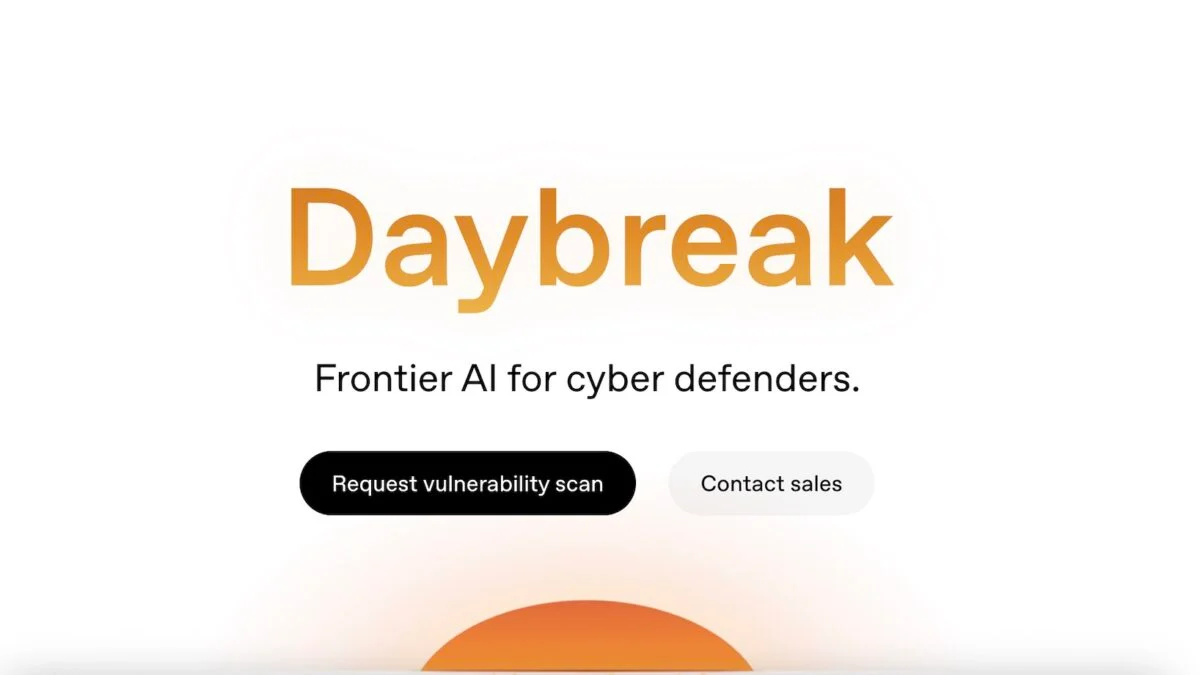
OpenAI has unveiled Daybreak, its answer to Anthropic’s Claude Mythos, amid a growing market for frontier AI-powered cyber defense platforms. The initiative combines OpenAI’s large language models, Codex’s agentic capabilities, and integrations with the broader enterprise security ecosystem.
The company said Daybreak is focused on accelerating cyber defense operations and enabling organizations to secure software across the development lifecycle continuously.
Announcing the initiative on X, Sam Altman, CEO at OpenAI, said, “OpenAI is launching Daybreak, our effort to accelerate cyber defense and continuously secure software. AI is already good and about to get super good at cybersecurity; we’d like to start working with as many companies as possible now to help them continuously secure themselves.”
The surge in AI-driven cyber threats has recently shifted the AI race toward AI cybersecurity models. In April this year, Anthropic unveiled Project Glasswing, built around Claude Mythos Preview. Anthropic described it as a cybersecurity-focused AI system capable of autonomously identifying software vulnerabilities at scale.
While introducing Daybreak, OpenAI explained that deploying AI in modern cyber defense involves three core stages. The first is prioritizing high-impact threats and reducing hours of security analysis to minutes through more efficient AI reasoning and token usage. The second involves generating and testing patches directly within enterprise repositories using scoped access, monitoring, and review. The final stage focuses on sending results and audit-ready evidence back into enterprise systems to track, validate, and verify remediation efforts.