Democrats—who mostly aren’t talking about climate change—are continuing to debate whether they should talk about climate change.
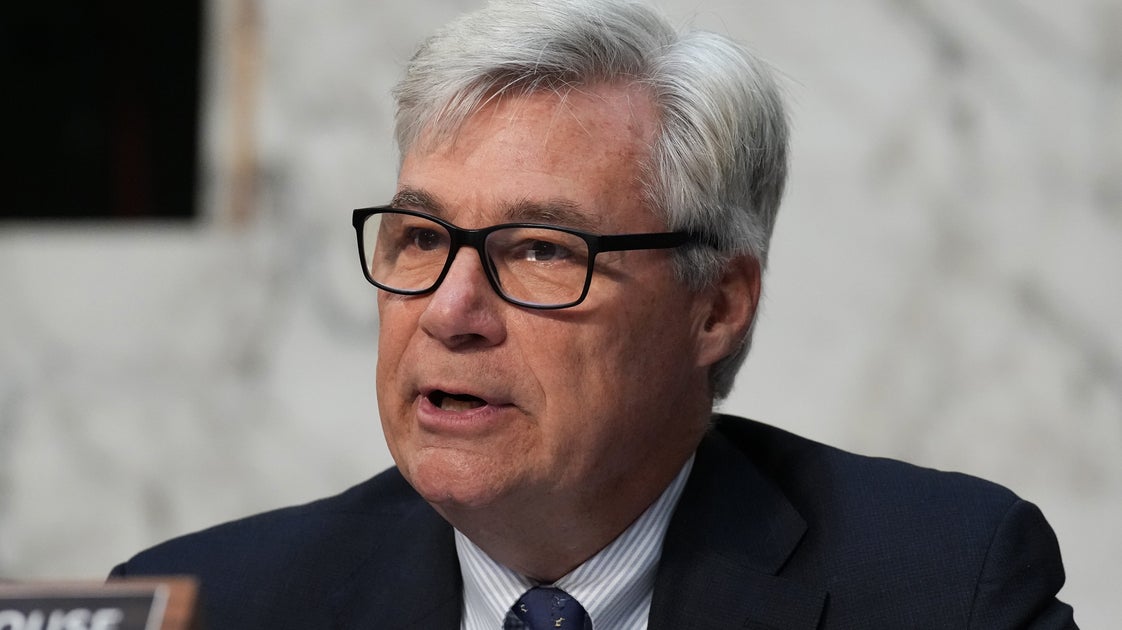
The case against climate-centric messaging usually leans on years of fairly consistent polling. Relatively large segments of the population remain concerned about climate change but prioritize other issues at the ballot box. The point was reiterated earlier this year by the centrist Searchlight Institute, in a report urging advocates and elected officials not to focus on “climate” over more salient topics like affordability and lower energy prices: “While battleground voters overwhelmingly agree climate change is a problem, addressing it is not a priority for them.” Arizona Senator Ruben Gallego has similarly argued that talking about climate change turns voters off, so candidates are better off steering clear. “Honestly, it’s just so loaded,” he told Politico recently. “If our goal is to bring down our carbon footprint—try to restrain climate change—we need to win. And focusing on words versus outcomes, I think, is a real good pathway to losing.”
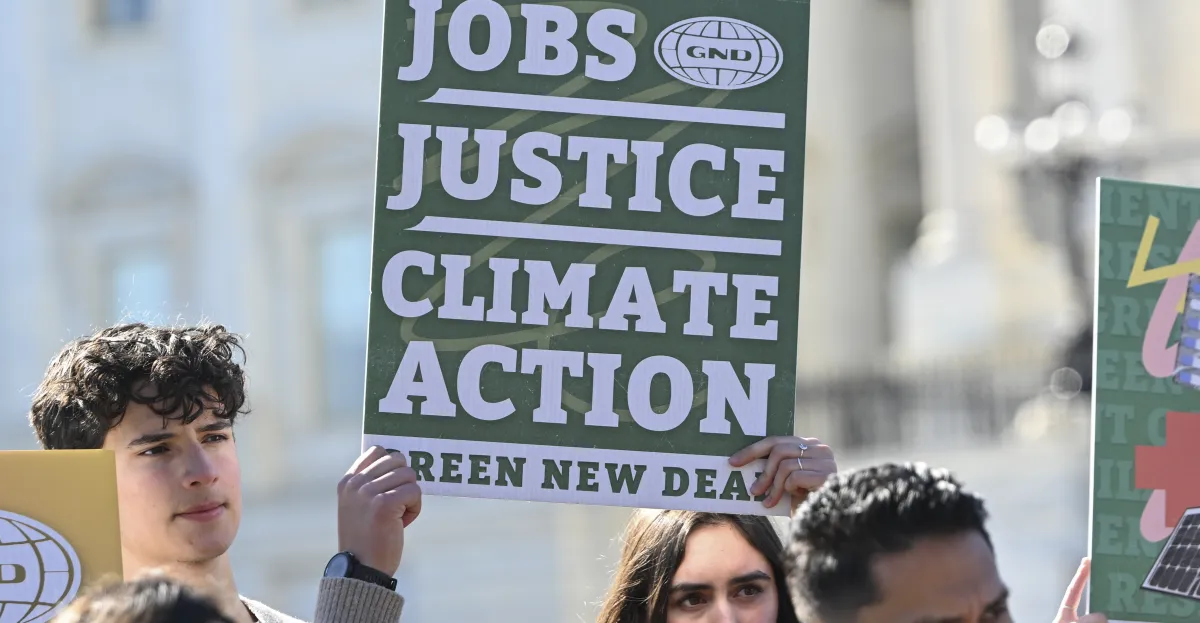
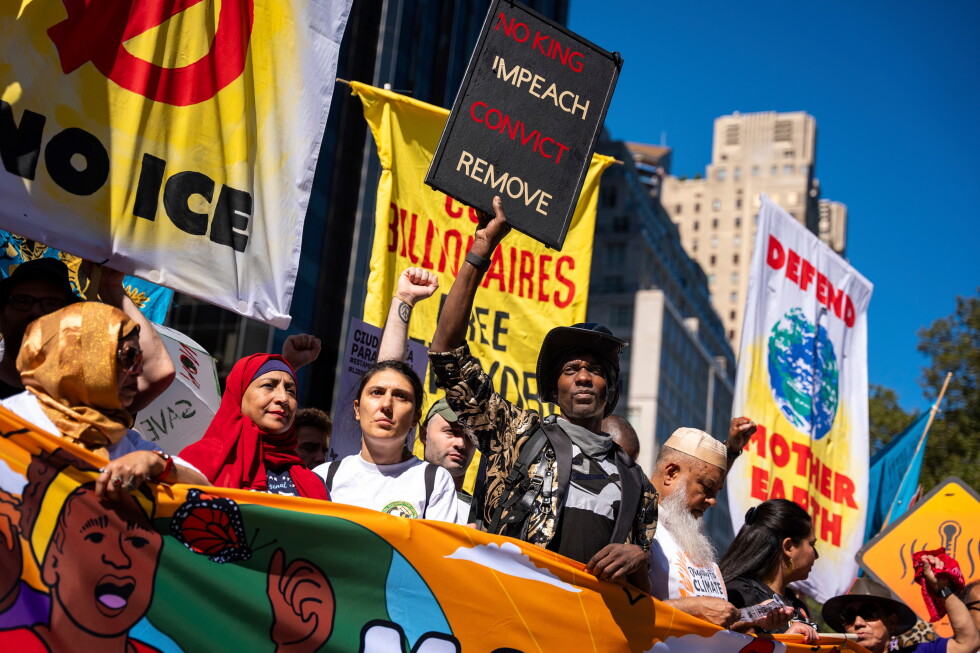
The terms of this debate are confusing. At the most basic level, climate change describes the effect of rising global temperatures caused by the accumulation of greenhouse gases in the atmosphere. In U.S. politics, however, “climate” has become a stand-in for everything from tax credits for solar panels to hurricanes, the Green New Deal, disaster relief, ending fossil fuel extraction, multilateral processes, fuel efficiency regulations, and federal funding for certain kinds of scientific research—a long, disparate list encompassing both the problems caused by climate change and a variety of solutions for mitigating, adapting to, and dealing with it.