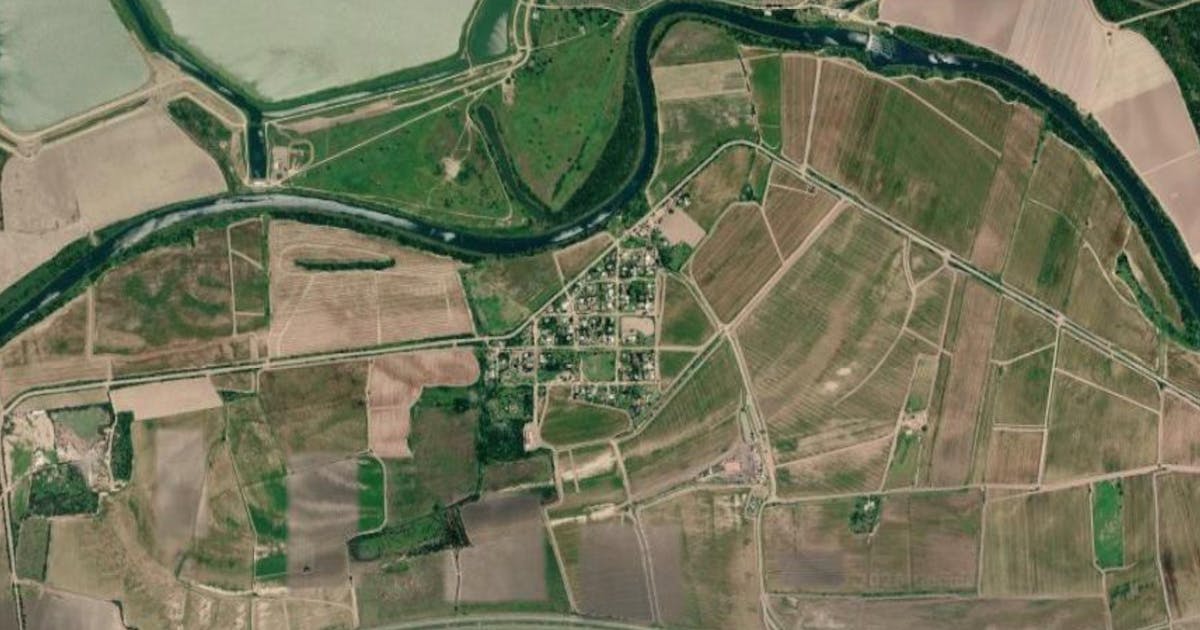
For decades, the United States didn’t realize it had a town in Mexico. Rio Rico, which sits just south of the Rio Grande and an hour’s drive from the southern tip of Texas, was founded in 1929 and functioned as part of Mexico in every practical sense. Its residents bought goods with Mexican pesos, paid Mexican taxes, and were subject to Mexican laws. Nothing about Rio Rico suggested that it belonged anywhere else.
The problem was that the U.S.–Mexico border wasn’t where anyone thought it was.
Years earlier, an American irrigation company had cut an unauthorized cutoff in the Rio Grande, leaving a loop of U.S. land south of its new course. Under treaties governing the boundary, artificial shifts in the river could not move the border. The legal boundary between the countries remained the same, and now cut through a dried-up riverbed—over which Rio Rico then expanded. So while the town was founded on Mexican land, its growth inadvertently moved it across the invisible border.
No one noticed for years. When the error was finally uncovered by an American geography professor in the 1960s, American officials were forced to confront a peculiar reality: A town that had long functioned as part of Mexico was, in fact, straddling the border.