(The opinions expressed in this article are those of the author and do not necessarily reflect those of Al-Fanar Media).
At first glance, the World Economic Forum’s Global Risks Report 2026 reads like a familiar catalogue of global anxieties geopolitical confrontation, armed conflict, economic instability, and climate disruption.
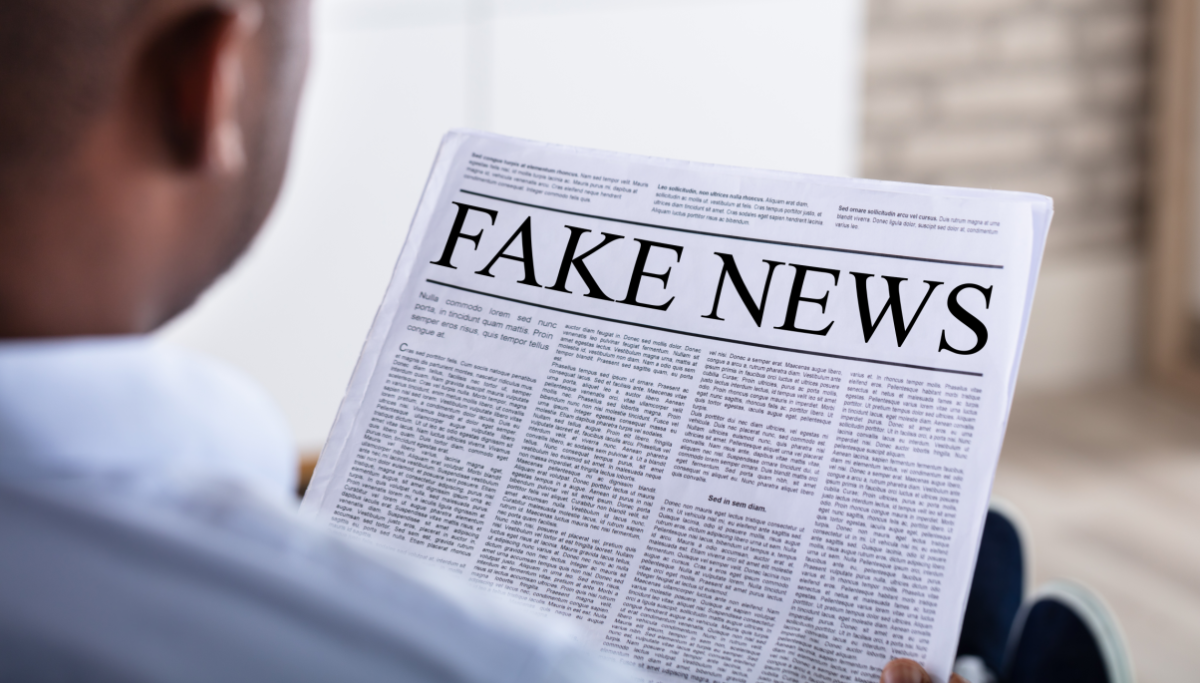
But beneath this landscape of visible crises lies a quieter, more disruptive force: misinformation and disinformation, now ranked among the top global risks across all of the time horizons the report covers: this year, the short term (over the next two years), and the long-term (over the next 10 years).
This is not incidental. It is foundational. We are no longer dealing with misinformation as a symptom of instability. We must confront it as a driver of instability itself.
What distinguishes misinformation from other risks is not just its scale, but its function. It acts as an accelerant across nearly every risk domain—from geopolitical tensions to the polarisation of society and even to undermining climate action.