Press return to see results.
cmd / ctrl + k to open and close.
Disneyland and the Rise of Automation: How Technology Created the Happiest Place on Earth by Roland Betancourt. Princeton University Press. 416 pages. 2026
In late March, I encountered a topless woman at the Kona Club Tiki bar in Oakland. Her hips gyrated with a steady mechanical squeak, her grass skirt described a stiff, uniform ellipse, her wooden breasts did not jiggle. I asked the bartender if they turned her off at the end of the night or if she swayed to an empty room. The bartender explained that no, the animatronic hula dancer would need preventatively regular oiling and repairs if she were to dance all night, every night (there was a button you pushed at closing time to turn her off).
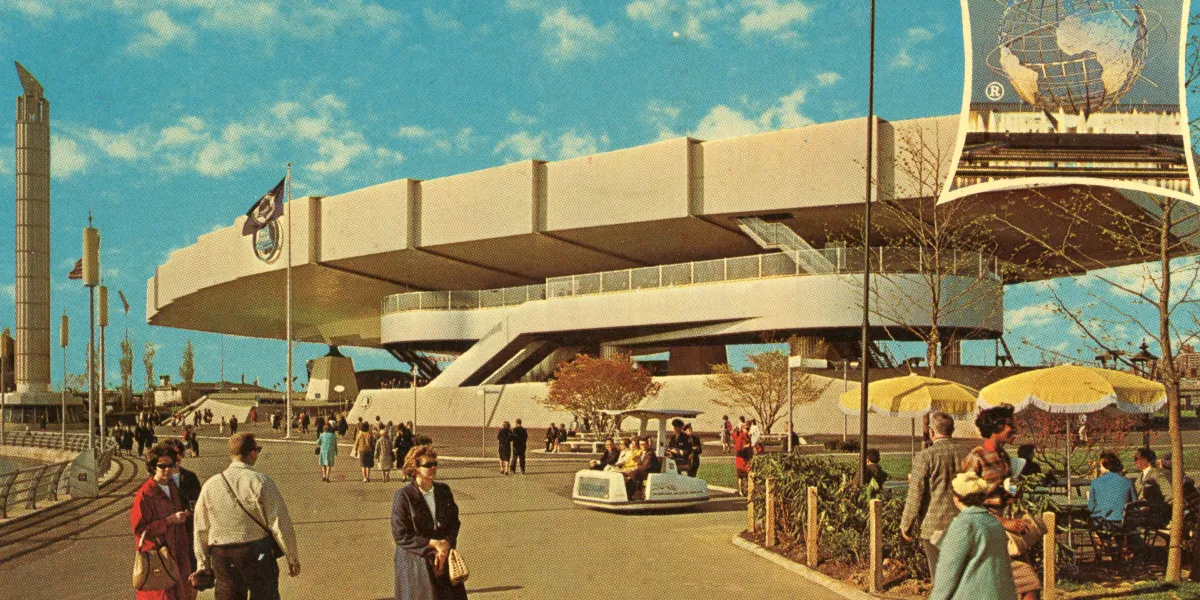
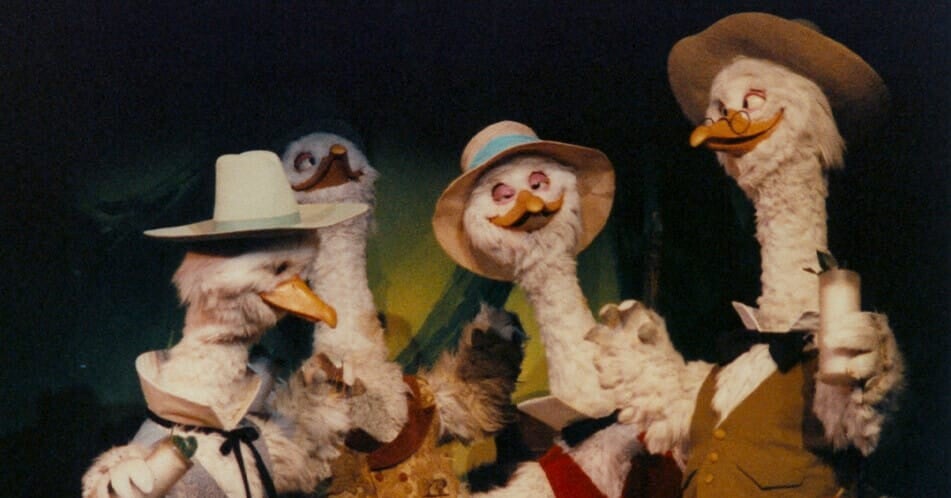
I’ve always been enchanted by animatronics. Their uncanniness is part of it. Grotesque, repetitive, lifelike: There’s something funny and doomed about them. Funny, because they are usually clunky and false looking; doomed, because forced to repeat precisely the same thirty-second snippet of movement for the viewer’s entertainment⏤or bemusement or disgust⏤ad infinitum. In Roland Betancourt’s Disneyland and the Rise of Automation, published this April, I came to better understand my sick fascination with automated “fun.” Betancourt’s book takes us from Walt Disney’s admiration of the conveyor belt at Ford’s auto plant in Dearborn to the minutiae of the Anaheim rides of the fifties and sixties, built from innovations in transportation and recording. Betancourt effectively demystifies the machines that make the magic happen. “Every Disneyland ride is a carefully camouflaged machine where you are its signature product.”