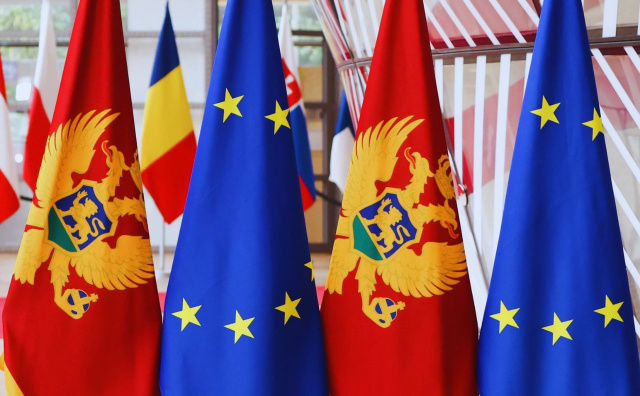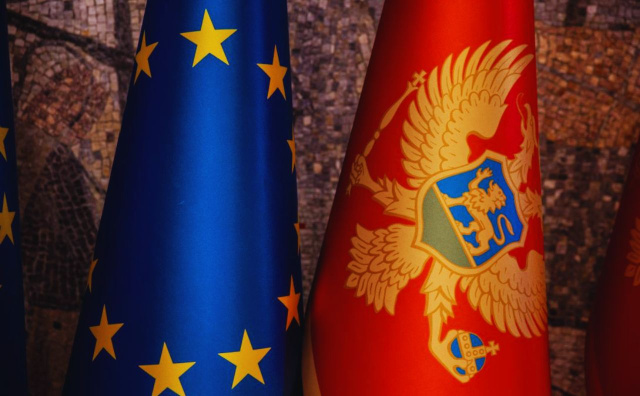
Last week the ambassadors of the 27 EU member states, acting through the Committee of Permanent Representatives (COREPER), approved the establishment of an ad‑hoc working group to start drafting Montenegro’s Accession Treaty, marking the first such step since Croatia’s treaty was prepared more than a decade ago. The decision was immediately hailed as a “historic moment” by Montenegrin Minister of European Affairs Maida Gorčević, who called it “the final step on the path to full membership of Montenegro in the EU.” European Council President António Costa described the move as “a key milestone” and noted pointedly that it was “the first time since 2013” that the EU had “started the clock for the next enlargement.” So, is a small Balkan nation of barely 620,000 people really about to become the 28th member state?
Since Croatia joined in July 2013, the EU has not admitted a single new country and indeed shrank when the United Kingdom left in 2020. The launch of a treaty‑drafting working party is therefore far more than a bureaucratic gesture, because it signals that the Union is ready to take enlargement off the pause button. Commissioner for Enlargement Marta Kos put it clearly: “Montenegro’s place inside the EU is now taking shape.”