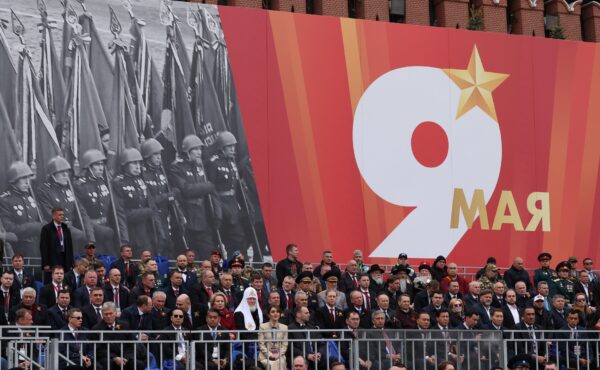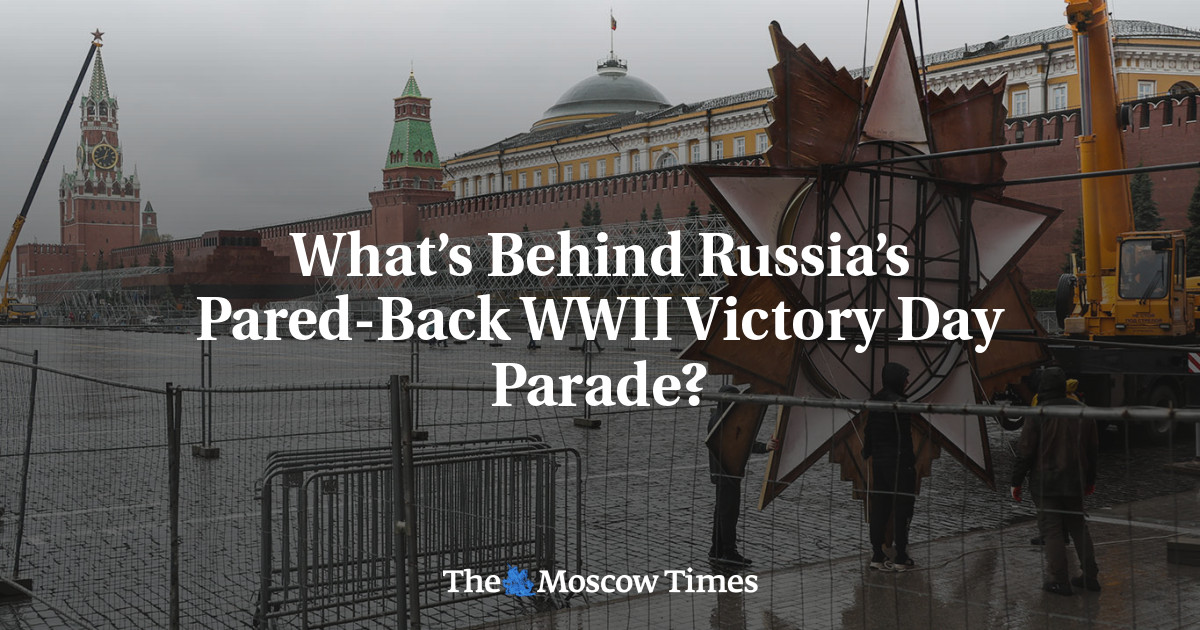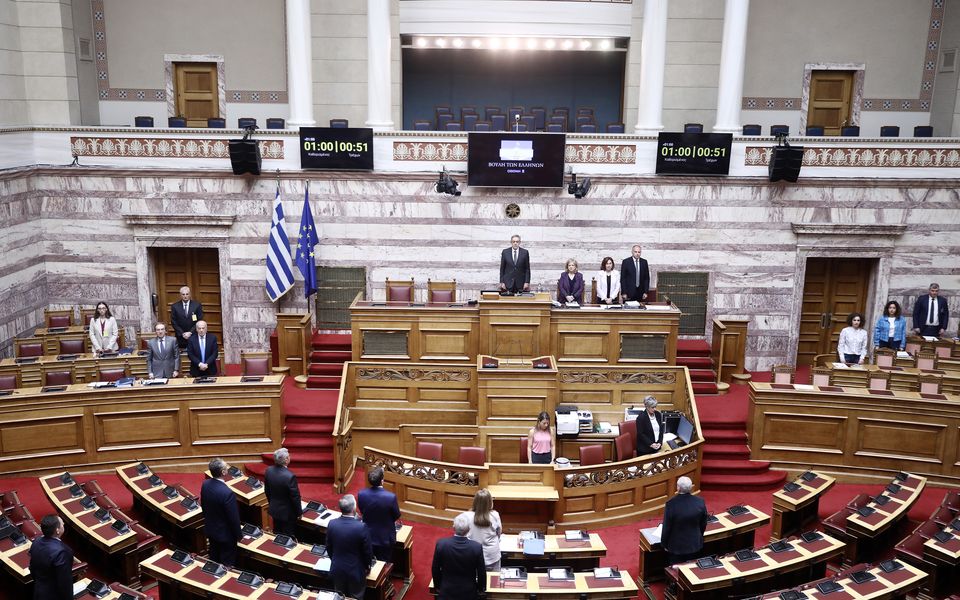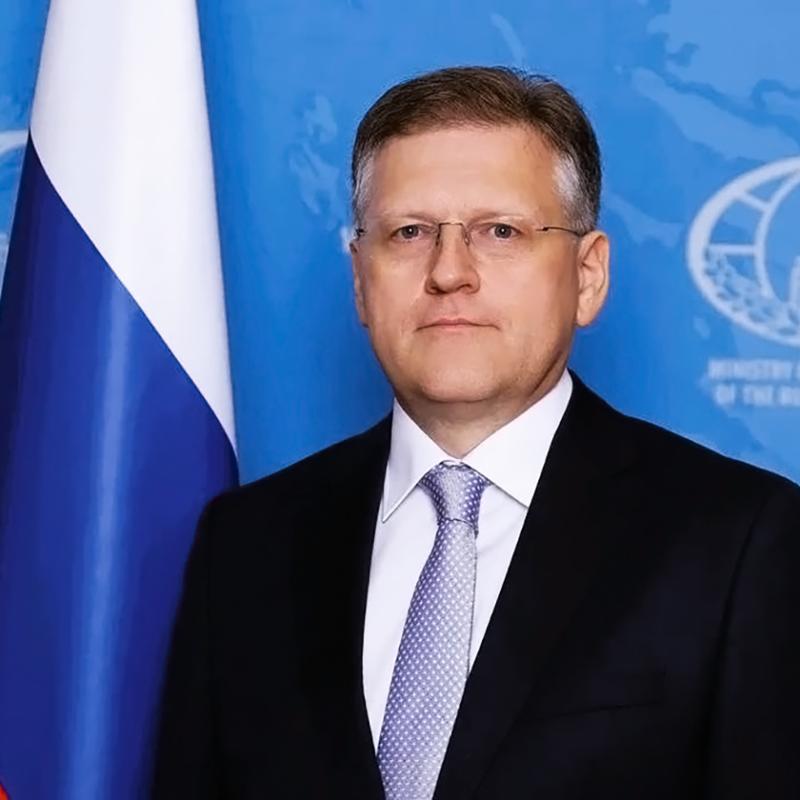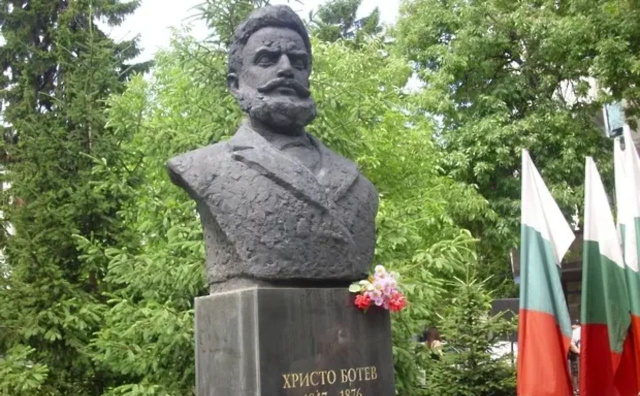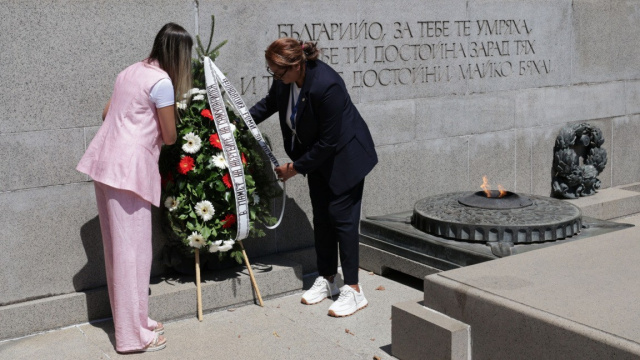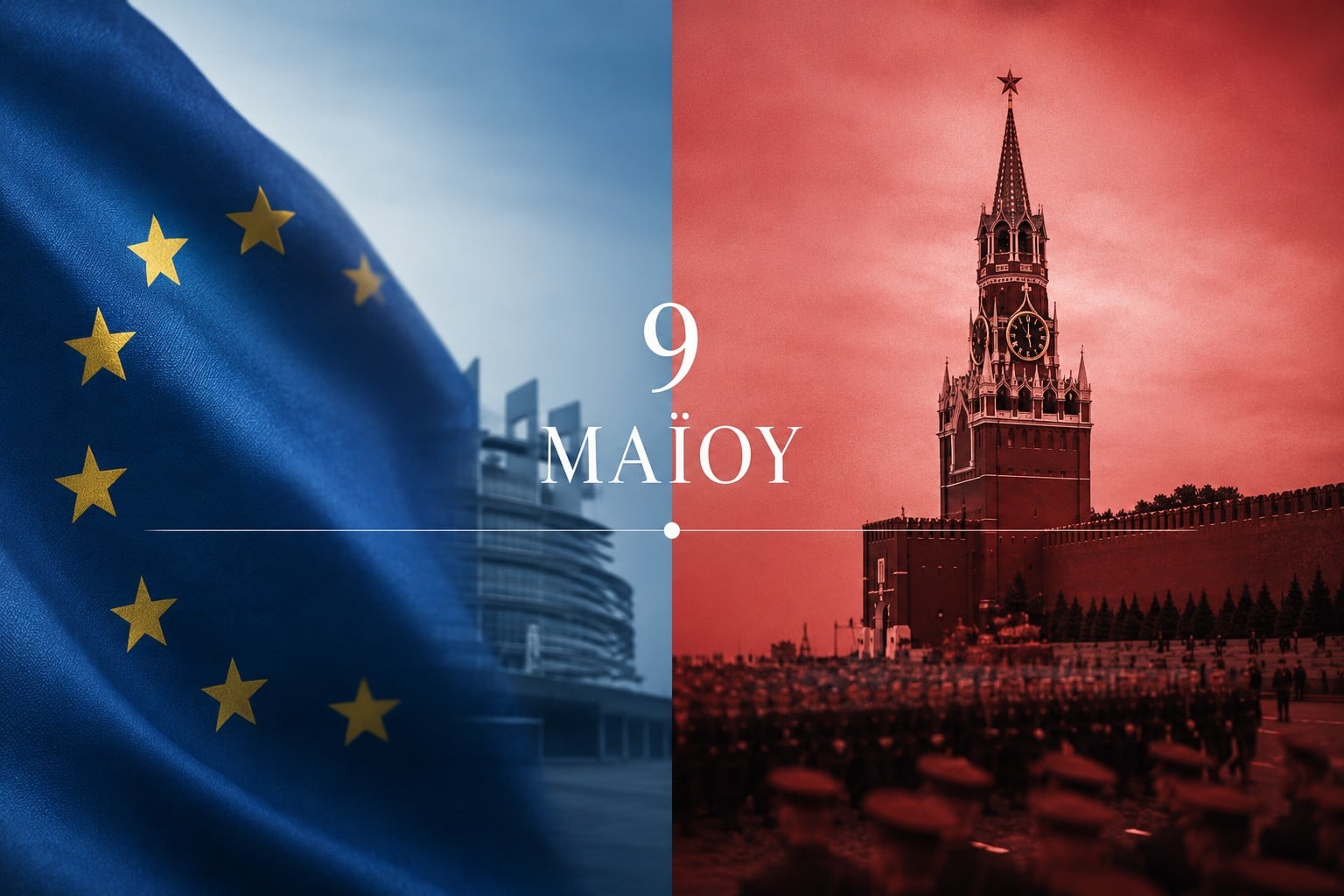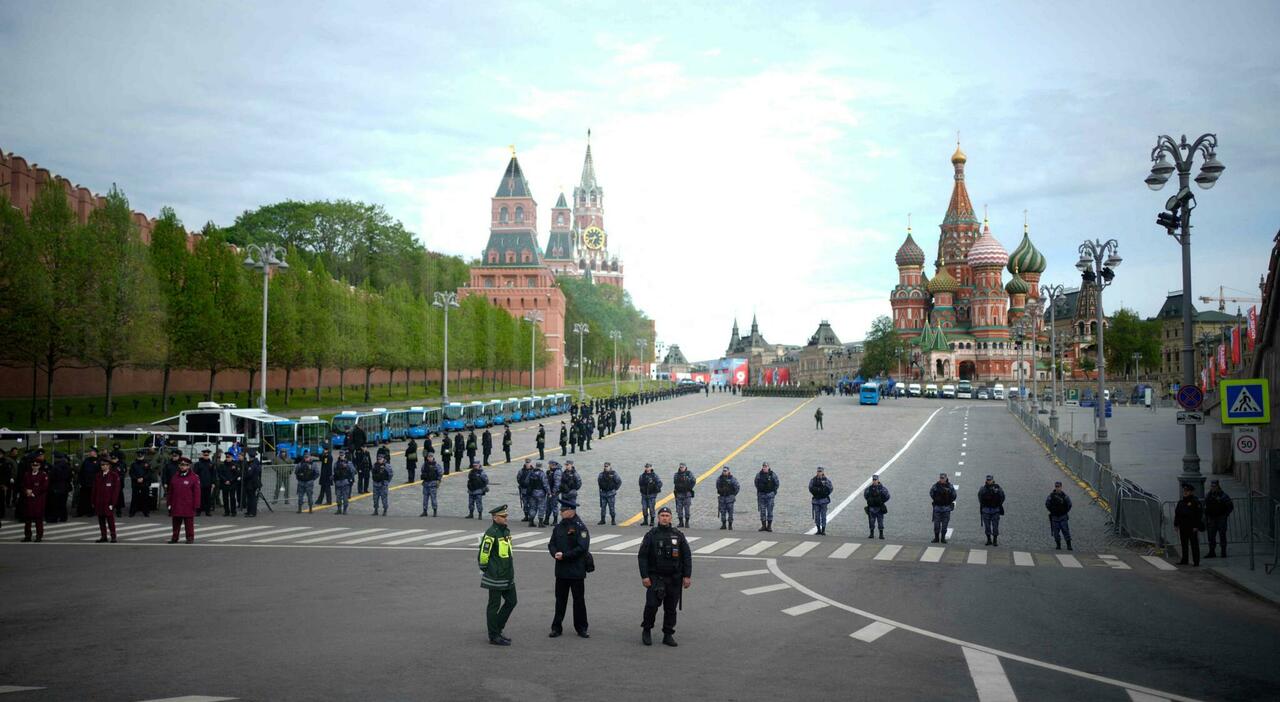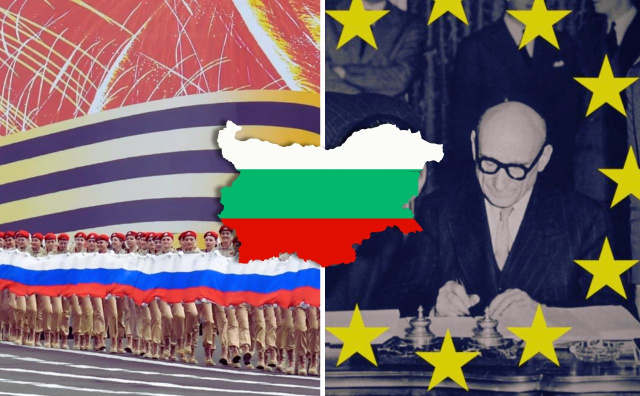
On May 9, Bulgaria gazes into two different yet intertwined historical mirrors. For some, it is Victory Day - the defeat of Hitler’s fascism that marked the end of the Second World War in Europe. For others, it is Europe Day, a symbol of peace and continental unity born from the ashes of that devastating conflict. The coincidence of dates is no accident: the idea of a united Europe emerged precisely from the ruins of war. Yet in the Bulgarian context, this dual holiday has long ceased to be a mere historical date and has become a dividing line that cuts through society.
Two histories, one dayOn May 9, 1945, in the Berlin suburb of Karlshorst, the second and final capitulation of Nazi Germany was signed, ending hostilities in Europe. For the Soviet Union and its allies, this was a day of triumph, and in post-war Bulgaria the date became an official holiday celebrated with military parades and nationwide rejoicing.
Five years later, on May 9, 1950, French Foreign Minister Robert Schuman proposed the creation of a European Coal and Steel Community. A bold idea to pool the strategic resources of former enemies in order to make war “not only unthinkable but materially impossible.” The Schuman Declaration laid the foundations of today’s European Union. In 1985, EU leaders designated May 9 as Europe Day, and Bulgaria officially adopted it by government decree on March 29, 2005, shortly before signing its accession treaty.