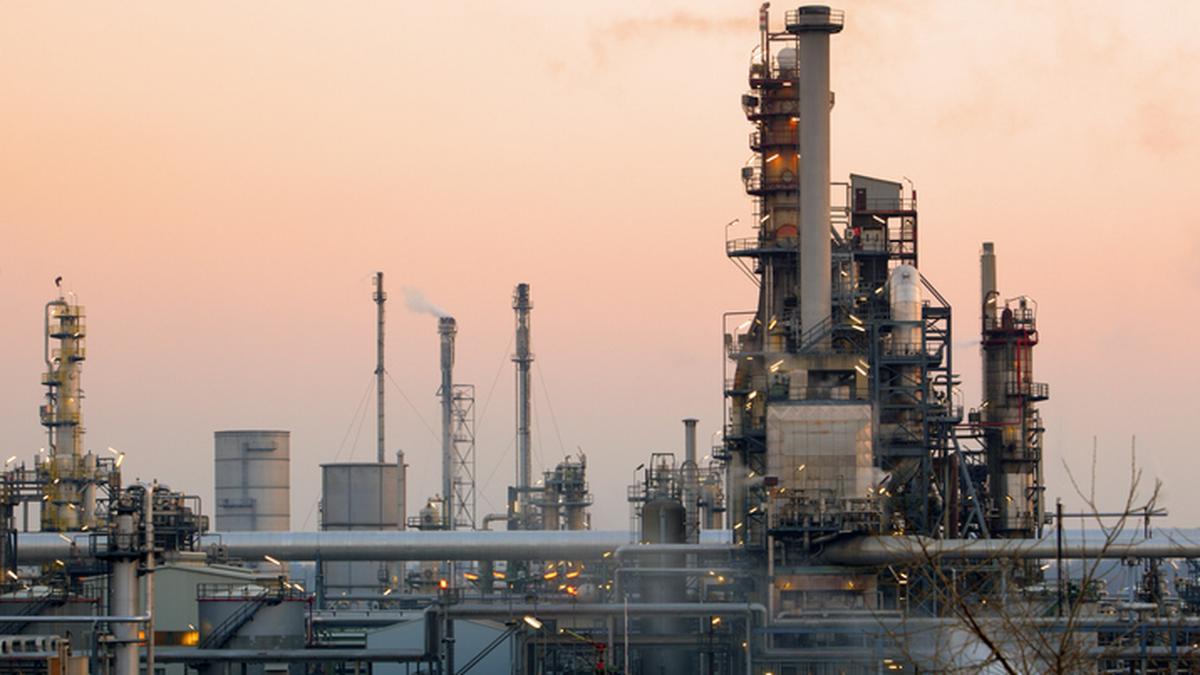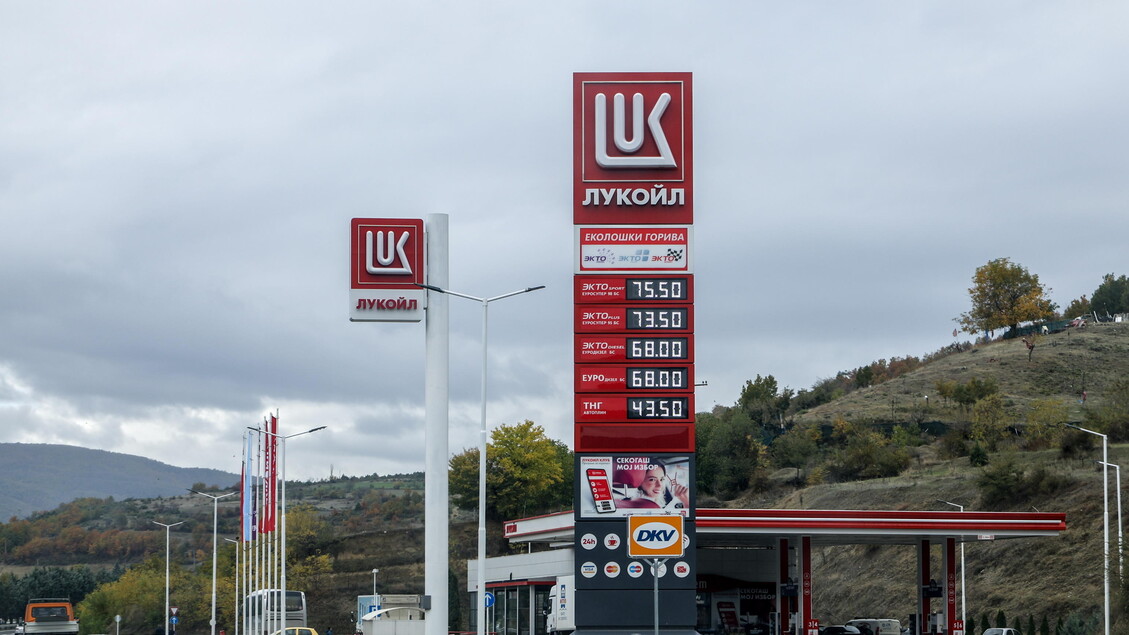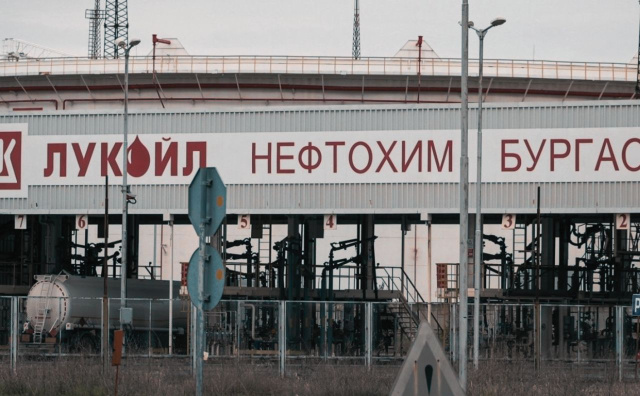
Bulgaria has sufficient fuel reserves and faces no immediate threat of shortages despite tensions around the Strait of Hormuz, according to Rumen Spetsov, special manager of Lukoil in Bulgaria. Speaking to “24 Chasa,” he said the country’s oil supply chain is not directly tied to the Gulf chokepoint because the Burgas refinery receives crude shipments through the Turkish terminal at Ceyhan. The real issue, he explained, is the growing number of blocked tankers in the Strait of Hormuz, which is pushing transportation costs sharply higher and affecting fuel pricing worldwide.
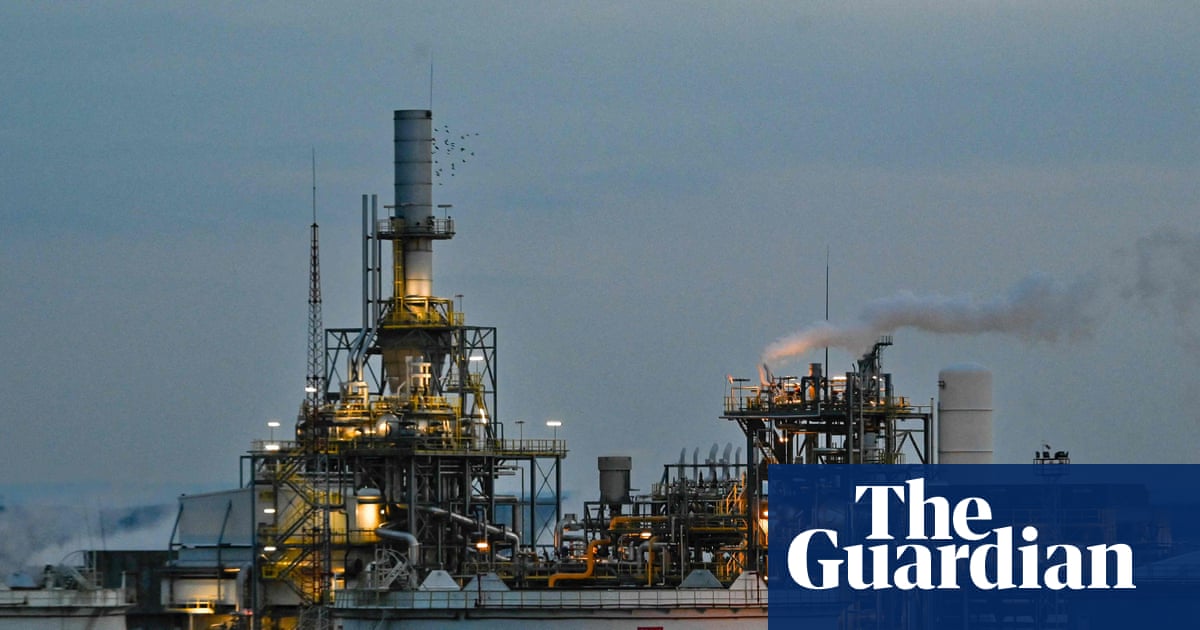
Spetsov said the refinery in Burgas currently has enough reserves to operate for at least 90 days. He stressed that after sanctions on Russian oil supplies, the facility adapted to processing multiple types of crude, something many European refineries struggled to do. “Thanks to the engineers in Burgas, who are doing incredible work, we managed to maintain operations and adapt the refinery,” he said. According to him, some European plants halted production because they could not reconfigure systems built specifically for Russian oil, while the Burgas refinery can now combine raw materials from different sources.
He noted that Bulgaria can receive oil from countries including Libya, Iraq, Kazakhstan, Azerbaijan, and Norway, reducing dependence on any single supplier or region. Still, he emphasized that fuel prices remain tied to global market conditions. “The refinery in Burgas does not trade oil as a commodity. It buys crude to produce fuels, and the fuels are sold according to prices on the Platts platform,” Spetsov explained.