More awareness is needed on the predisposing factors of the disease
Last Wednesday’s confirmation of the death of 33 children following an outbreak of cerebrospinal meningitis in parts of Sokoto State is quite disturbing. This is despite a recent public health warning by the Nigerian Meteorological Agency (NiMet) to residents of some northern states about the heightened risk of the disease. The alert categorised states by risk levels, with Sokoto listed among the most vulnerable. According to the Commissioner for Health, Faruk Abubakar, who confirmed the fatalities, 256 cases have been recorded across many local governments in the state. While we commend health authorities in Sokoto for their prompt response, it is important for other states to be on the alert to avert another public health disaster.
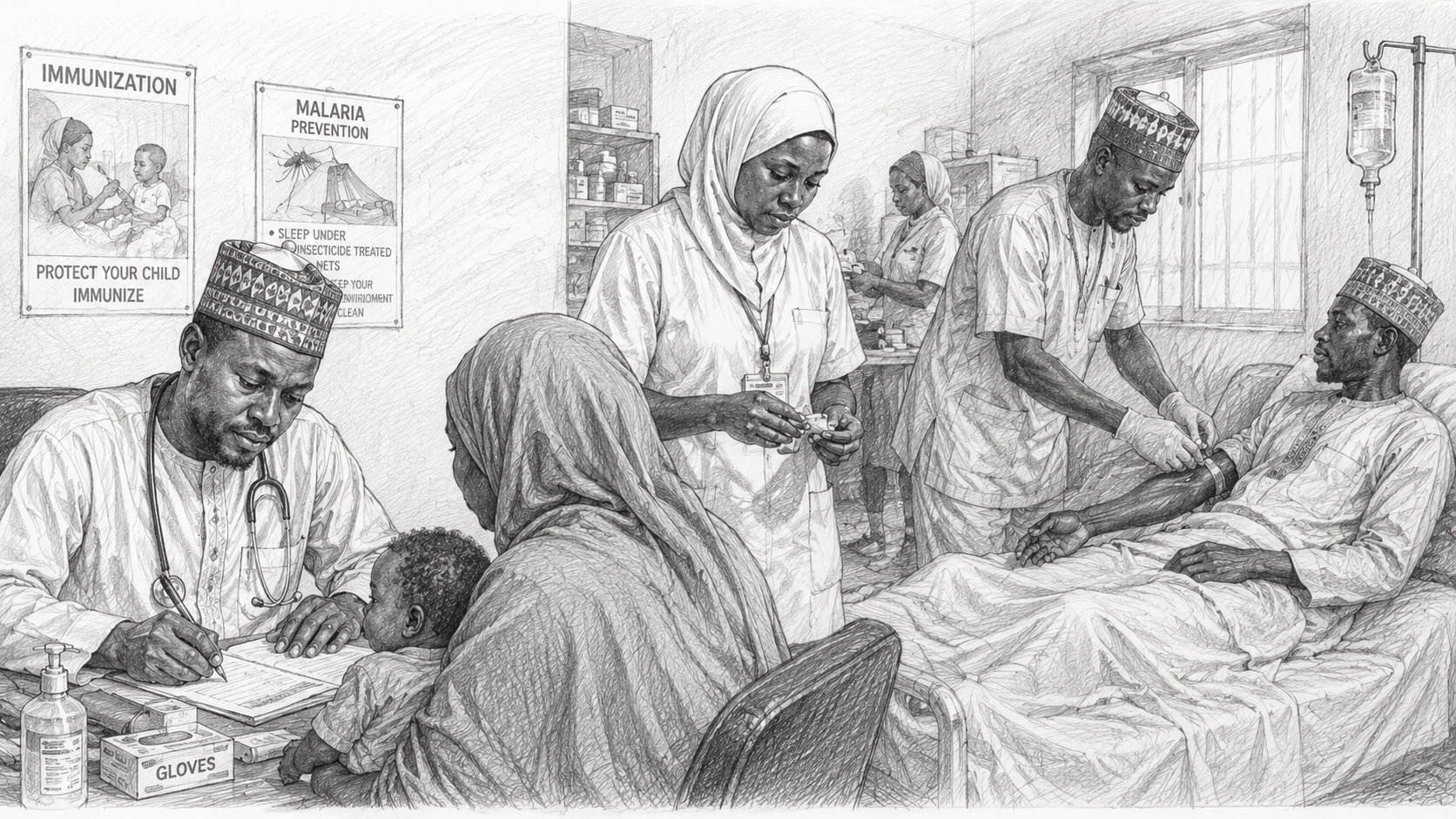
In its most recent warning, NiMET had highlighted the groups susceptible to the infection, explaining that “children and young adults, people living in overcrowded settings, individuals exposed to dry, dusty environments, and persons with weakened immune systems are at higher risk.” Early recognition of symptoms, according to the agency, is key to preventing fatalities while listing sudden high fever, severe headache, neck stiffness, nausea or vomiting, and sensitivity to light as warning signs. To reduce the risk of infection, NiMET encouraged the public to “get vaccinated, practice good hygiene, avoid overcrowding, and seek early medical care.” But health facilities, especially primary health centres, should also be equipped enough to manage cases where secondary and tertiary health facilities are not available.