All stakeholders should do more to contain the scourge
The death of a medical doctor in Benue State following complications from Lassa fever should serve as another wake-up call on the need to tackle a preventable disease that kills hundreds of our nationals every year. According to the Benue State Commissioner for Health and Human Services, Paul Ejeh-Ogwuche, the deceased medical practitioner who worked with the AIDS Prevention Initiative in Nigeria, had battled the illness for over two weeks before his condition worsened. Meanwhile, the latest Case Fatality Rate (CFR) from the Nigeria Centre for Disease Control and Prevention (NCDC) reveals that death toll from the outbreak of Lassa fever in the country has climbed to over 200, with health authorities warning on increasing infections across several states.
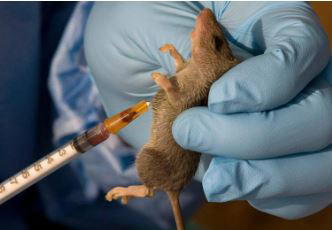
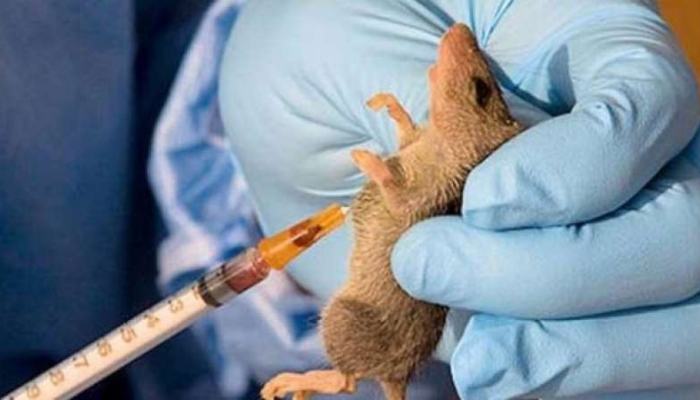
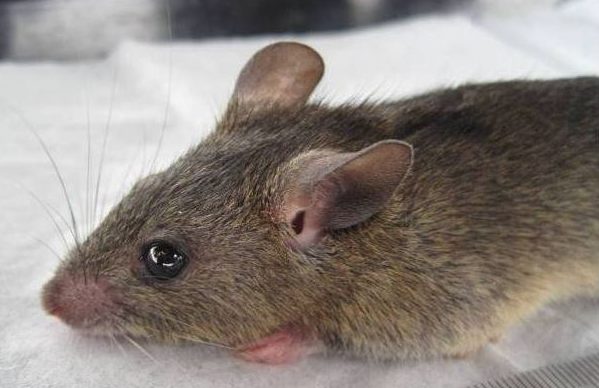
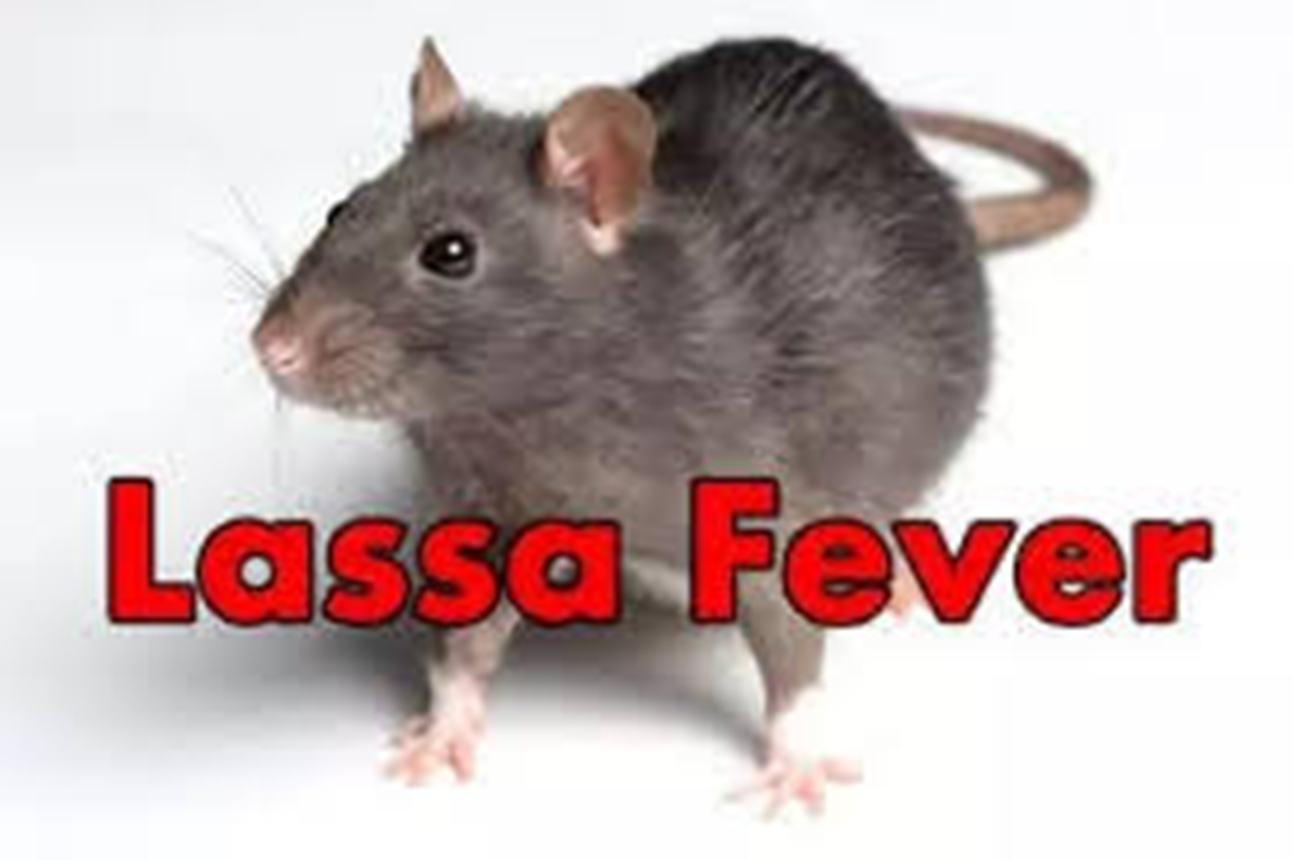
While we commiserate with the family of the deceased medical doctor, it is noteworthy that Lassa fever has been a serious health challenge in Nigeria since it was first diagnosed in Lassa (the village after which it was named) in Borno State in 1969. The symptoms include fever, sore throat, vomiting, back pain, cough, abdominal pain, and general body weakness about three weeks after exposure to the virus. The disease is primarily transmitted to humans through infected rats or through the bodily fluids of infected persons. Even though there have been efforts in the past to contain the scourge, the country has been witnessing frequent outbreaks in recent years. This, according to the World Health Organisation (WHO) “could be attributed to reduced response capacity in surveillance and laboratory testing.”