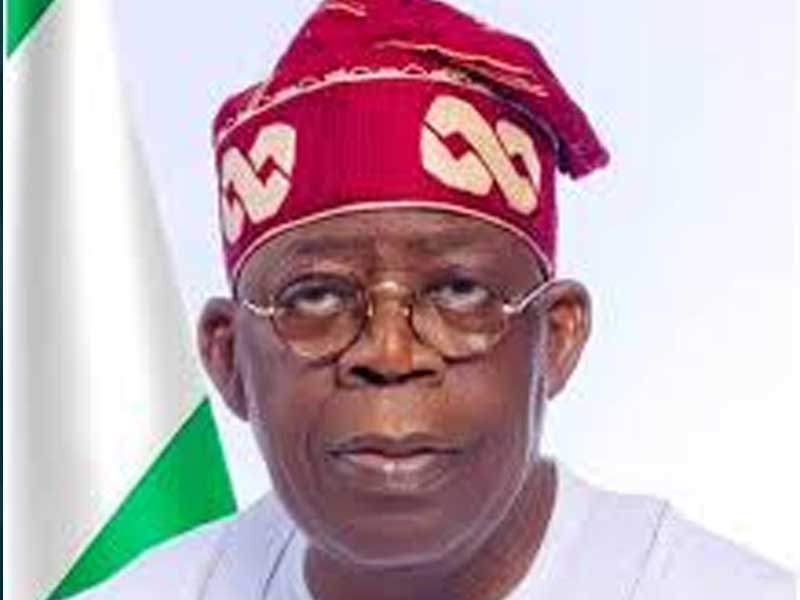
Yemi Kosoko, in this piece, explores how President Bola Tinubu has placed the burden of ending Plateau state’s relentless cycle of bloodshed squarely on the shoulders of its elders, demanding leadership over excuses.
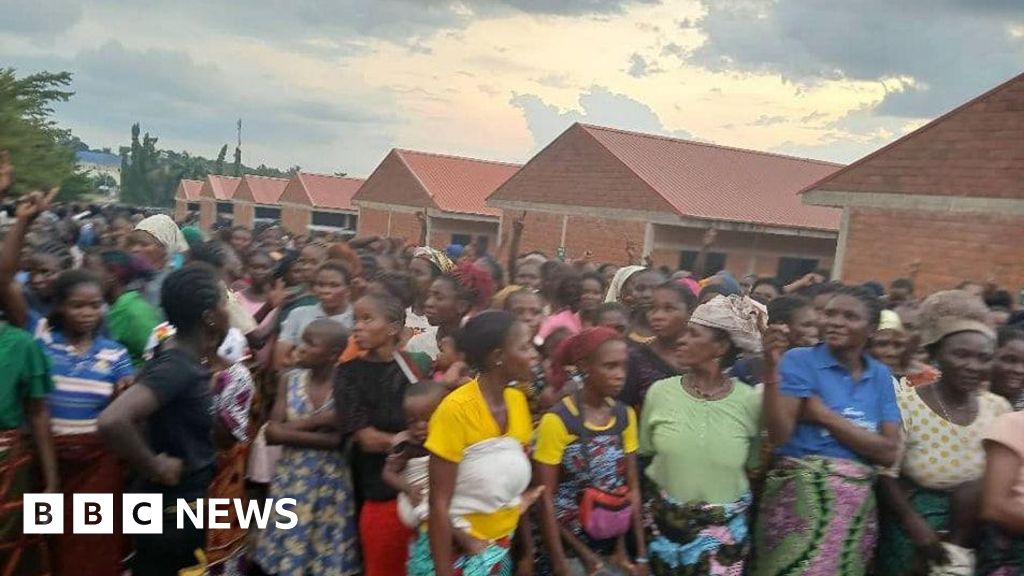
For nearly three decades, Plateau State has lived with a painful paradox: a land celebrated for its beauty, diversity, and hospitality, yet repeatedly scarred by cycles of violence that refuse to fade. Generations have grown up knowing both the warmth of its people and the cold shock of sudden conflict. Entire communities have rebuilt homes more times than they can remember. And through it all, one question has lingered: why does the violence keep returning?
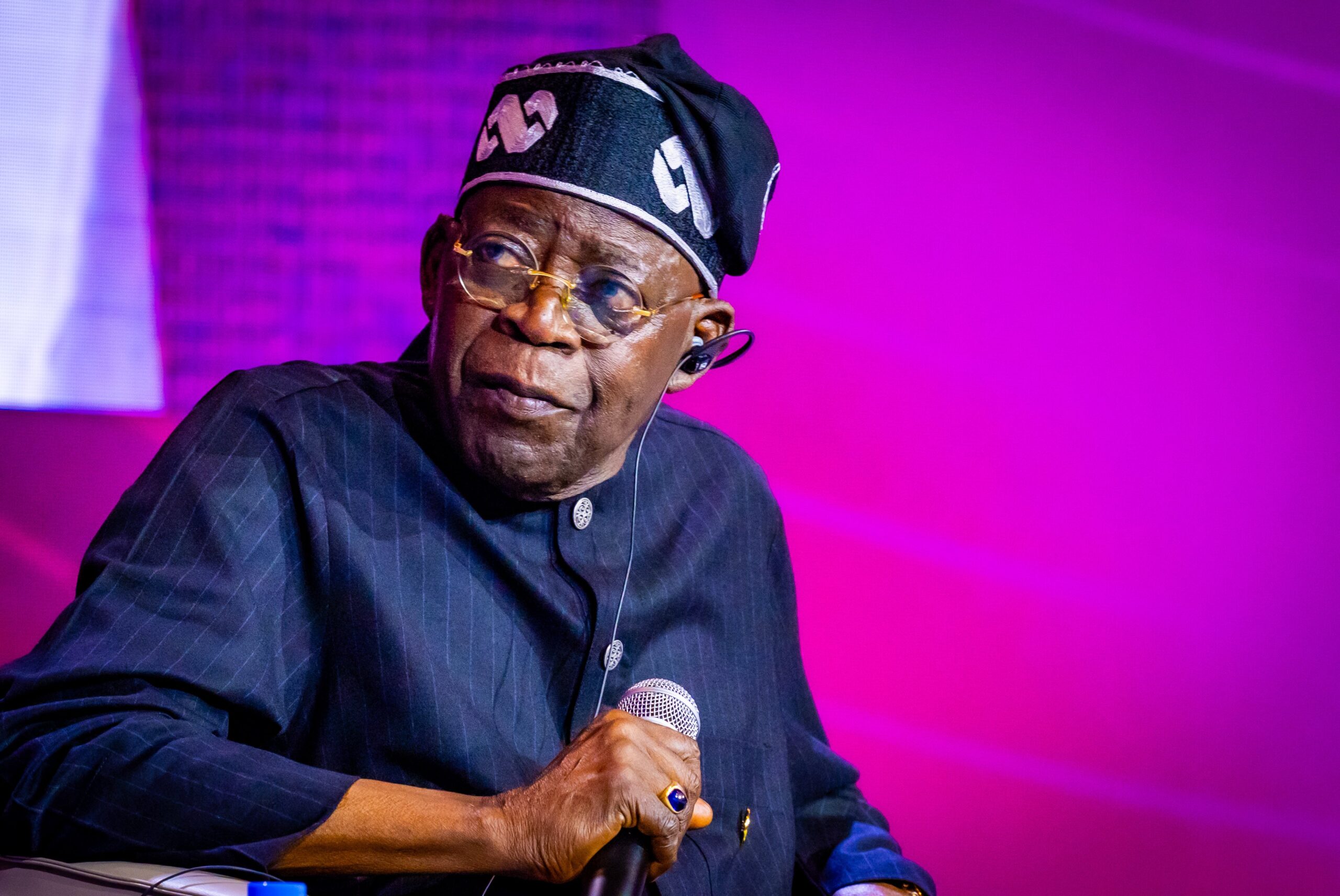
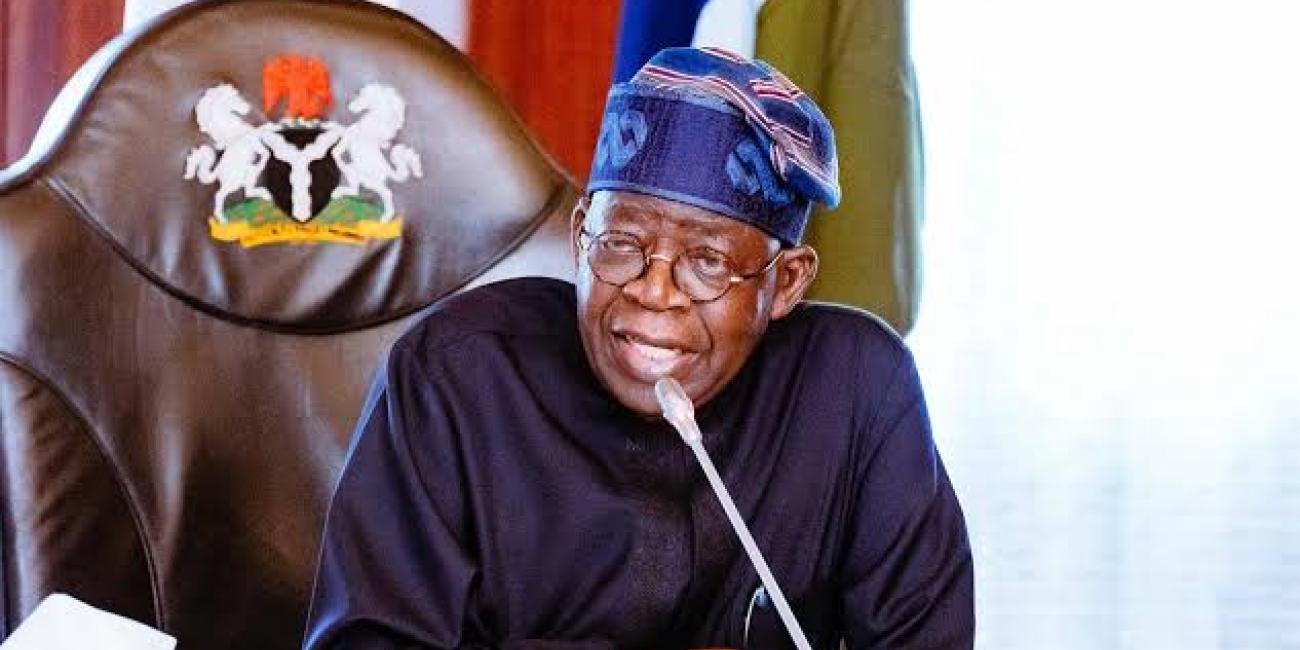
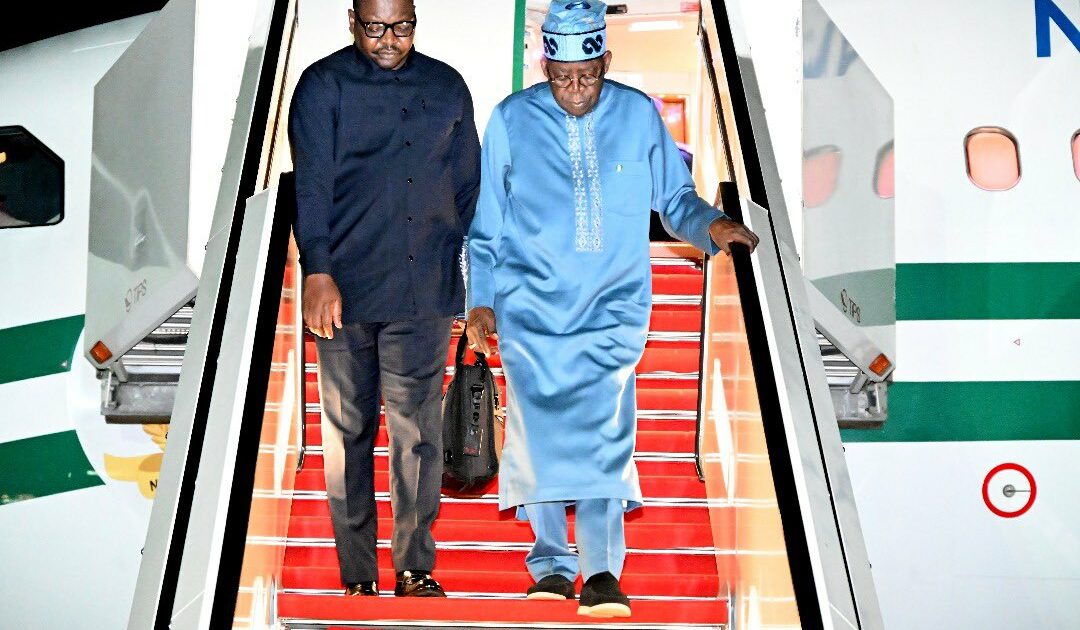
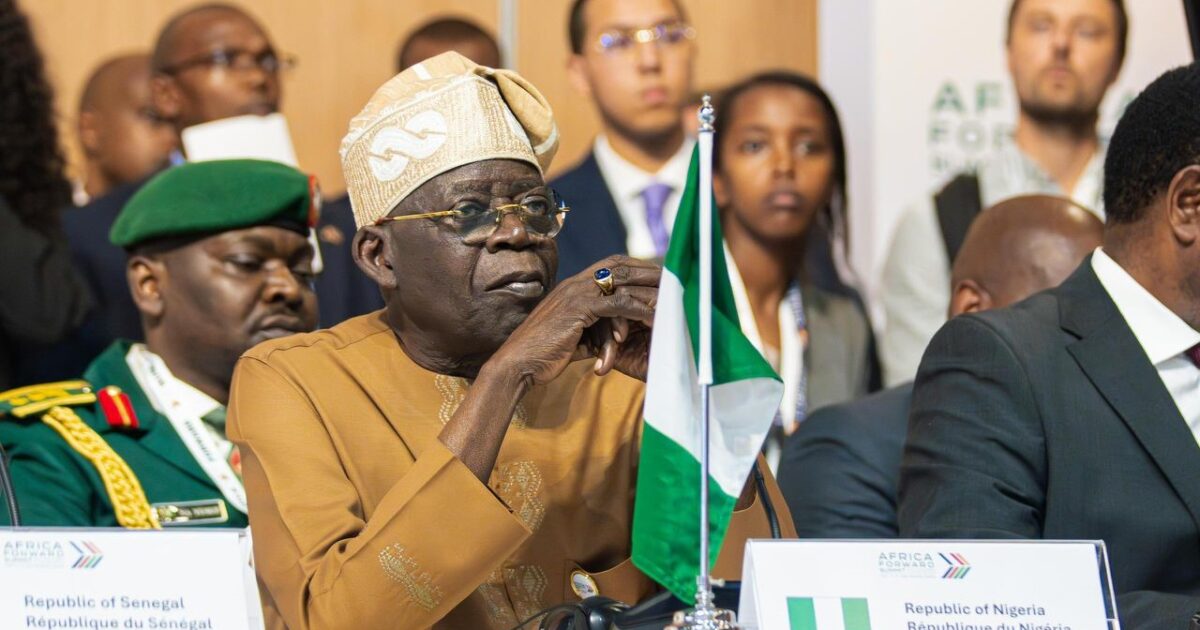
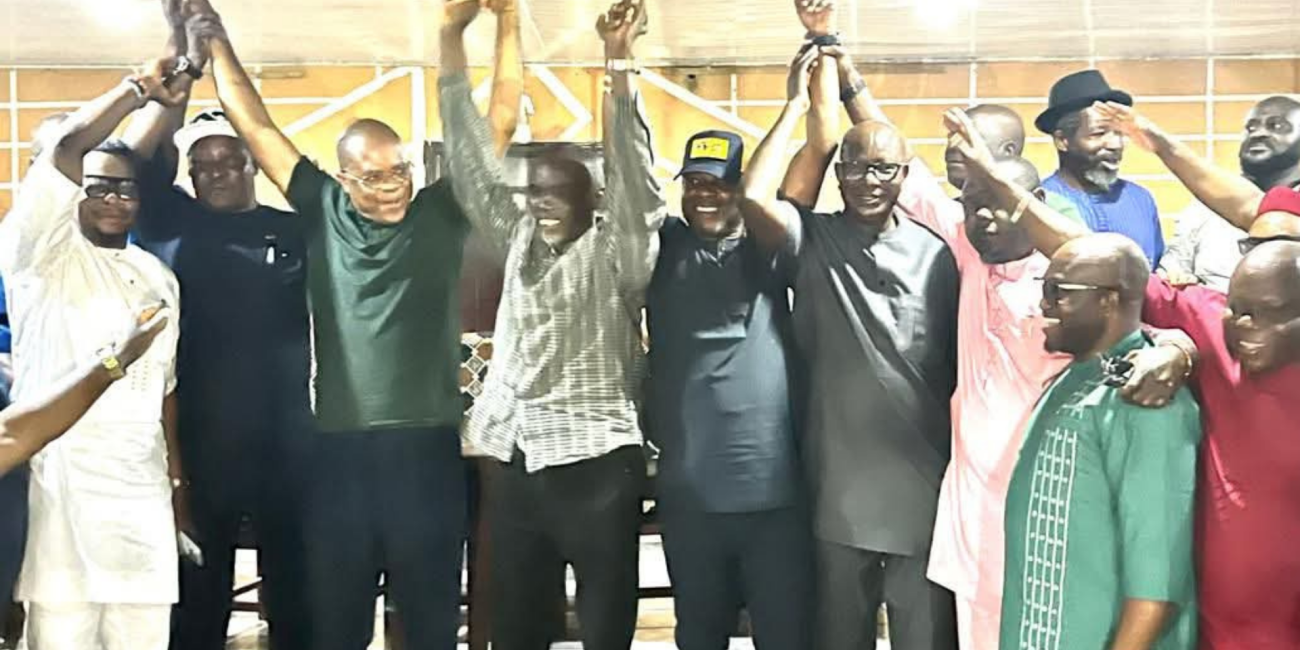
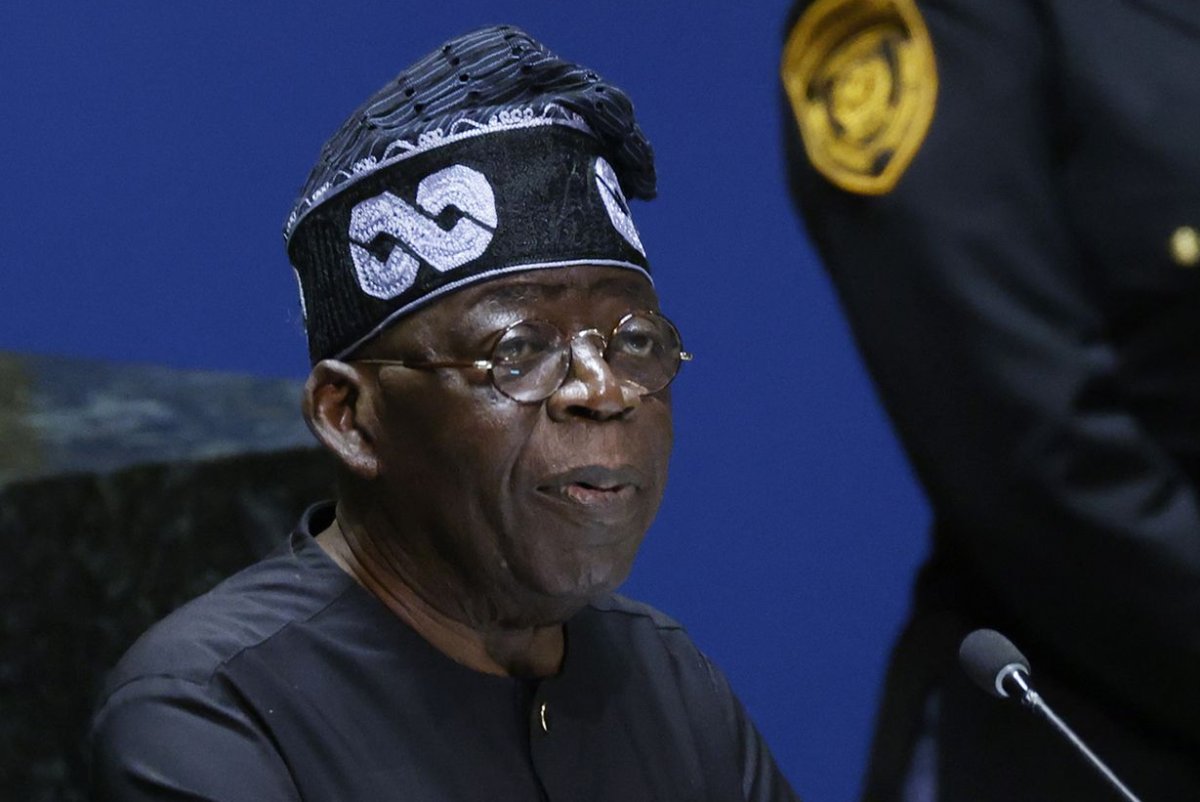
In late April 2026, that question once again reached the highest levels of government. President Bola Tinubu summoned Plateau elders, political leaders, traditional rulers, and religious figures to the State House in Abuja. His message was unmistakably direct and unusually blunt. The time for excuses is over. Plateau must break the cycle of violence and deliver lasting peace.
The meeting followed the March 29, 2026 attack in Angwan Rukuba, one of several recent incidents that have shaken the state. But the President’s tone made it clear that he was not merely reacting to the latest tragedy. He was addressing a crisis that had festered for nearly 30 years, a crisis that had outlived administrations, outlasted commissions of inquiry, and outpaced the political will to confront it.