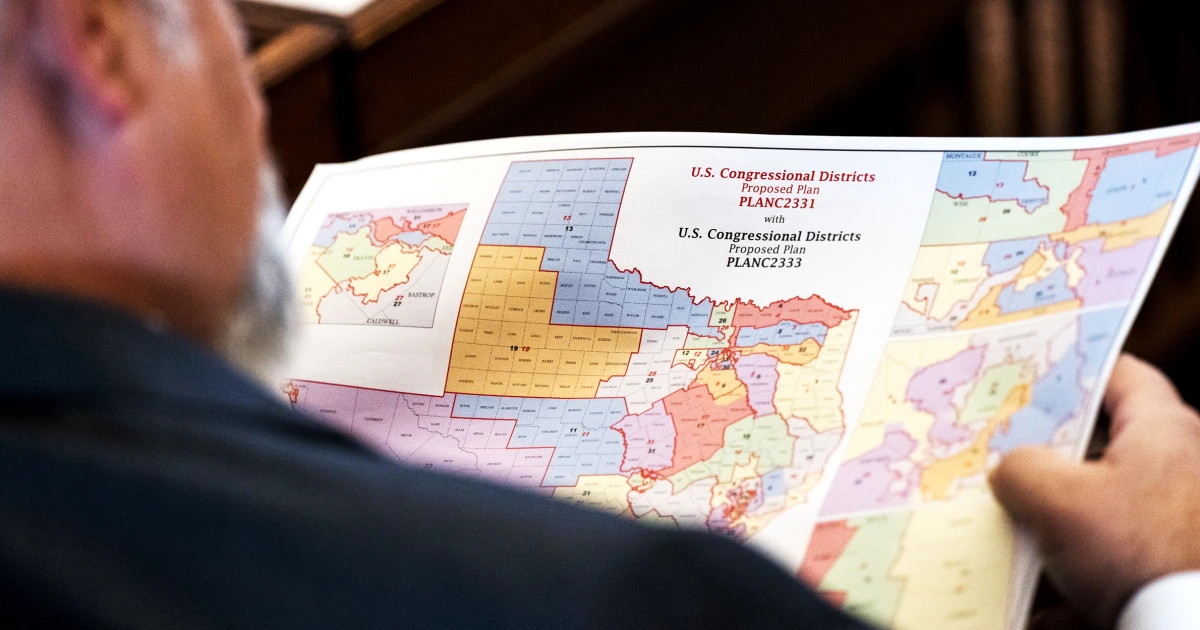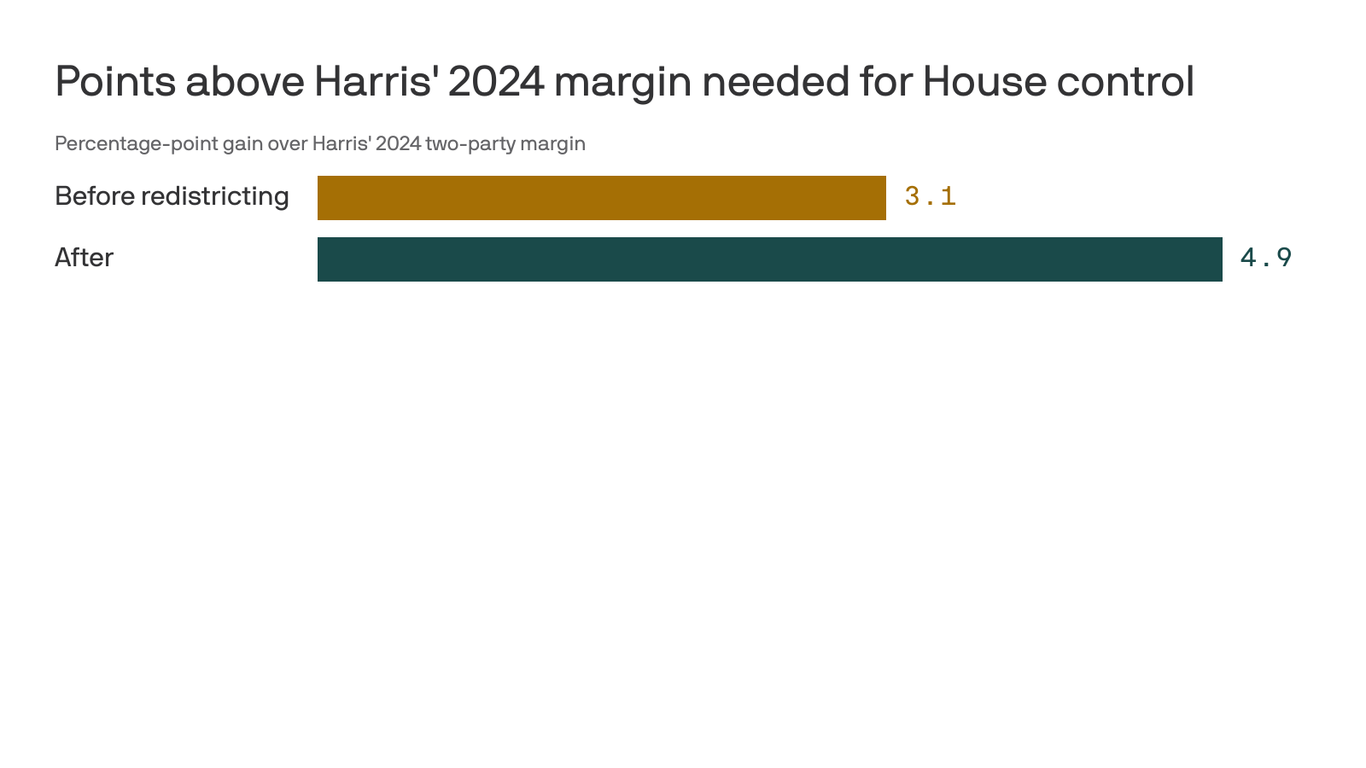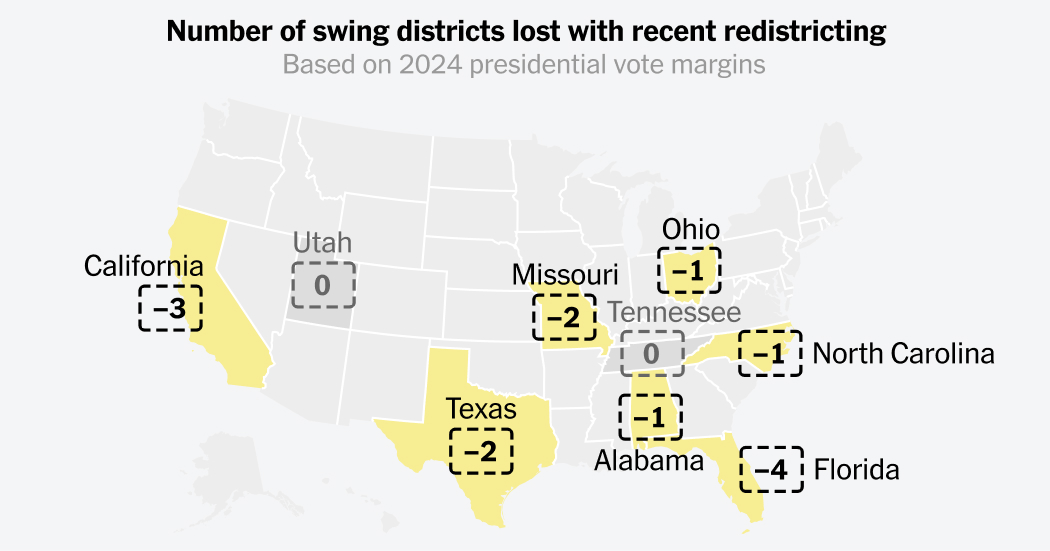
As President Donald Trump’s job approval sinks to or below 40% (depending on which poll you’re looking at), betting markets and political conventional wisdom are that his Republican Party is not necessarily doomed to lose its narrow House majority, nor is it at serious risk of losing its Senate majority.This is partly because of court decisions affecting redistricting in major states, but it also owes something to fundamentals that a few observers have noted even before. One example is Henry Olsen, writing two months ago in the Washington Post, noting that the president’s job approval has been cratering more among non-voters than among likely voters. In today’s RealClearPolitics polls, the same relation is apparent: Trump’s slippage is less among those more likely to vote.Similarly, Republican pollster Patrick Ruffini in March noted that, in a 60,000-person biennial YouGov survey, the Democratic advantage in party identification has been steadily narrowed toward the vanishing point since 2006. And in this year’s special elections, in which the opposition party typically fares better than the president’s, have been showing less anti-Republican movement than in 2025.
Nonetheless, the fact that the president’s party almost always loses House seats (exceptions: 1934, 1998, 2002) plus the fact that Republicans won only 220 seats to Democrats’ 215 in 2024, has made it seem close to certain that Democrats would win control.