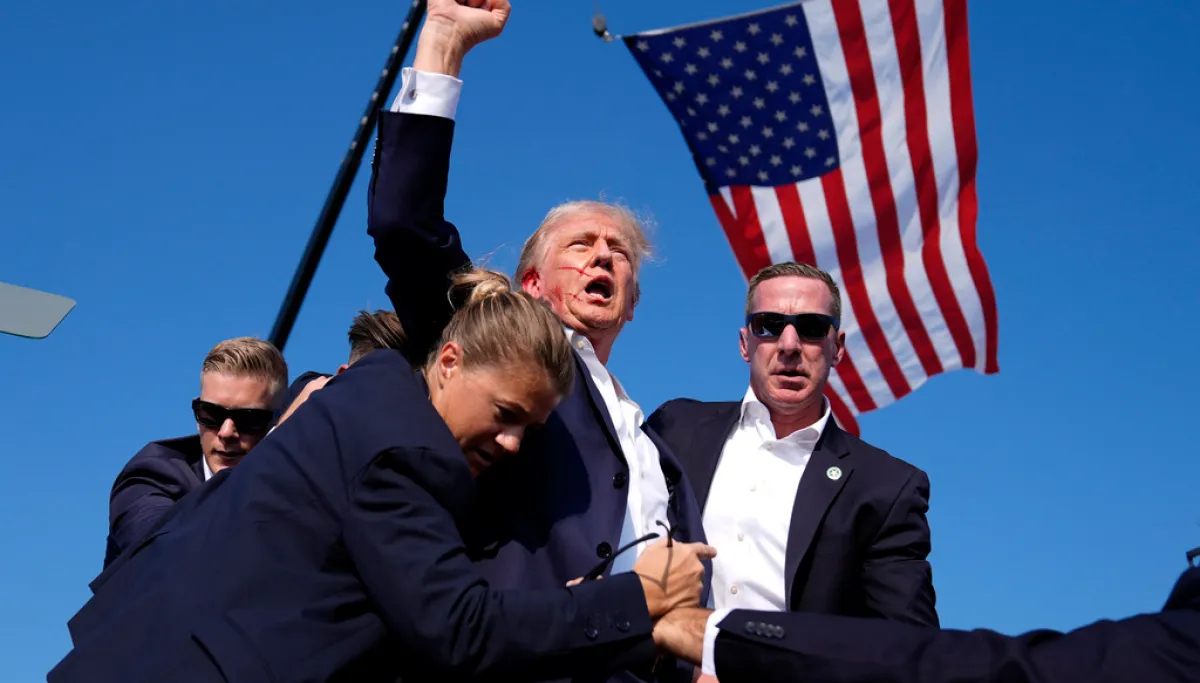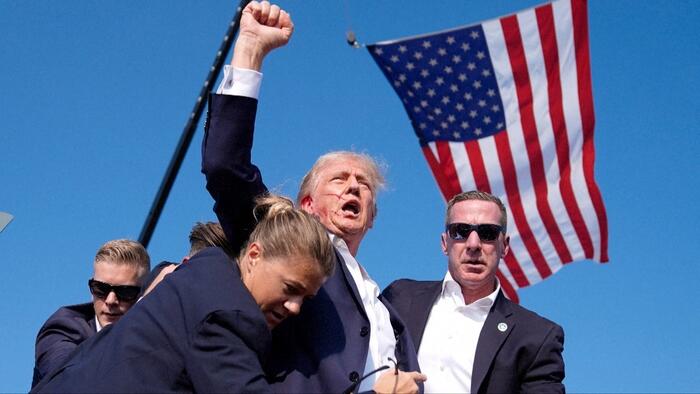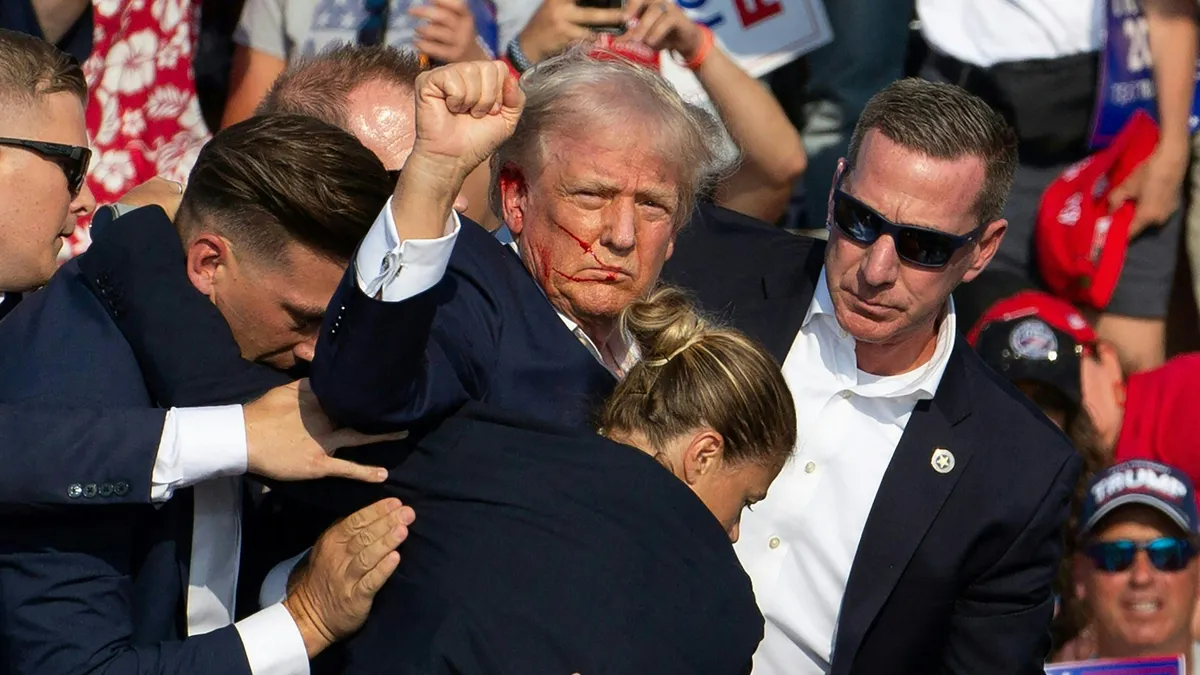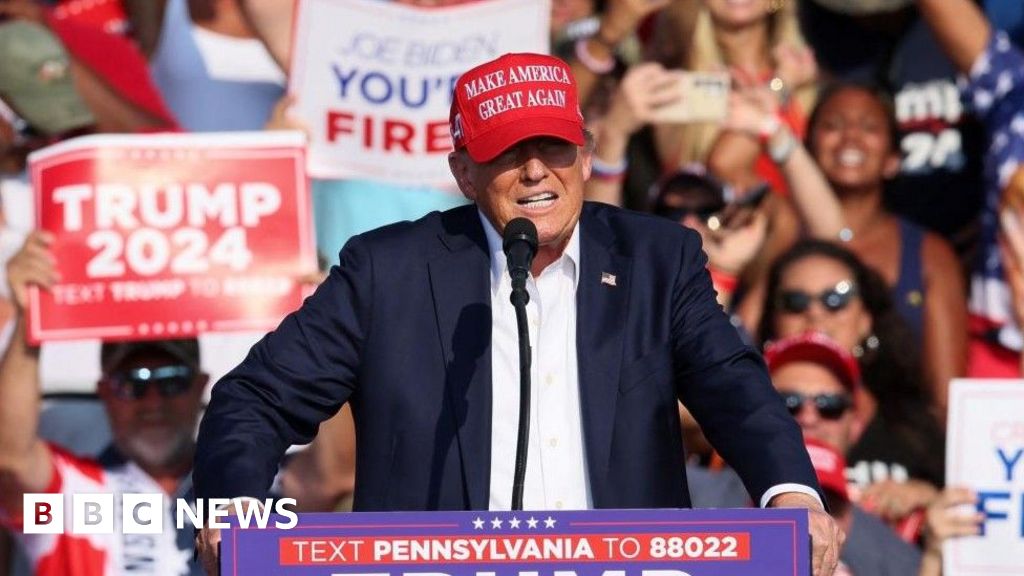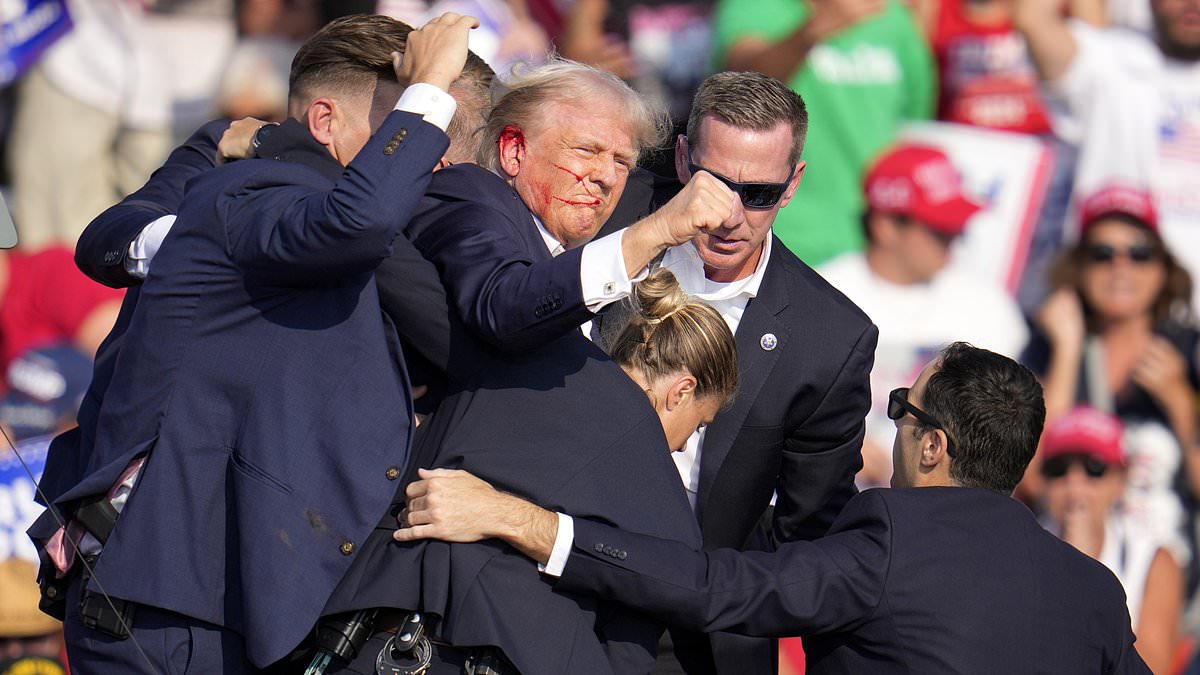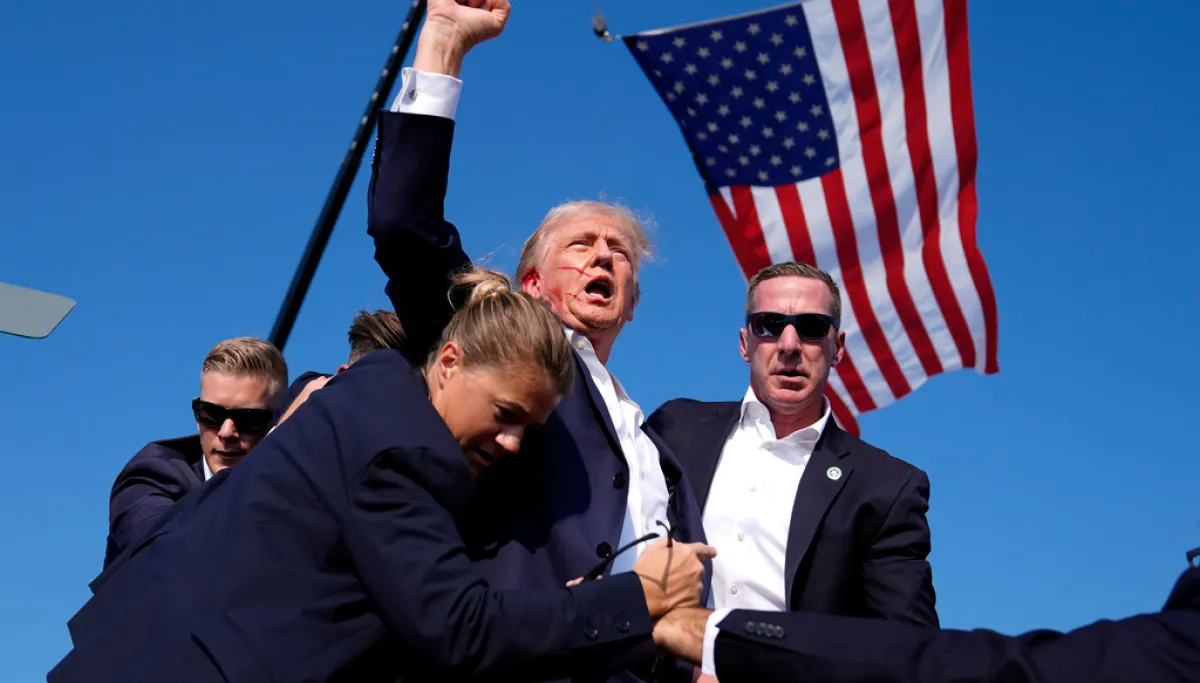
The near-assassination of President Donald Trump in Butler, Pennsylvania, opened America’s eyes to major problems with the United States Secret Service. The nation — indeed, the world — watched in shock as bullets flew from an unguarded rooftop, killing former Army reservist and volunteer firefighter Corey Comperatore, mortally wounding two other onlookers, and miraculously only barely nicking the ear of the then-former commander in chief.The 20-year-old assassin had been observed acting suspiciously and using a rangefinder at least 25 minutes before he aimed and fired multiple shots. But the Secret Service did nothing.
Only later did we learn that senior-level USSS officials did not share “classified threat information” received 10 days before the assassination attempt with the team assigned to protect the president or with local law enforcement.
In releasing his final report on the Butler incident, Sen. Rand Paul (R-KY) stated that “What happened in Butler was not just a tragedy — it was a scandal. The USSS failed to act on credible intelligence, failed to coordinate with local law enforcement, and failed to prevent an attack that nearly took the life of a then-former president.”
USSS headquarters had denied multiple requests for additional staff, assets, and resources to protect Trump. Counter snipers were authorized but not deployed by the USSS for the rally. Later, then-USSS Director Kimberly Cheatle falsely testified to Congress that she had not denied the Trump rally any USSS assets.