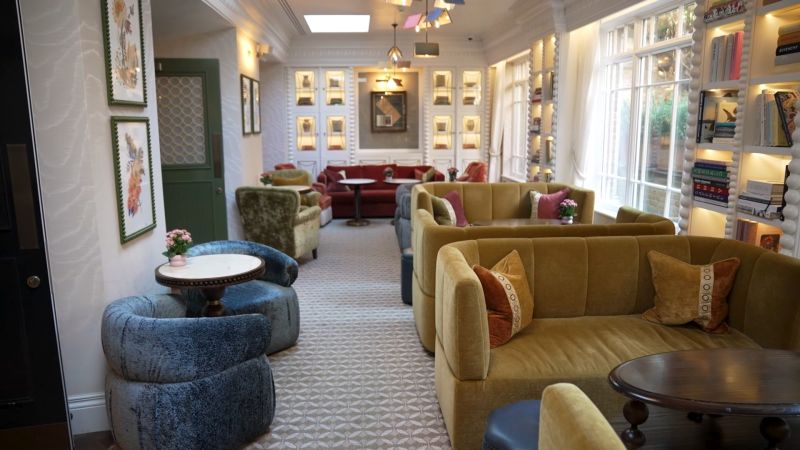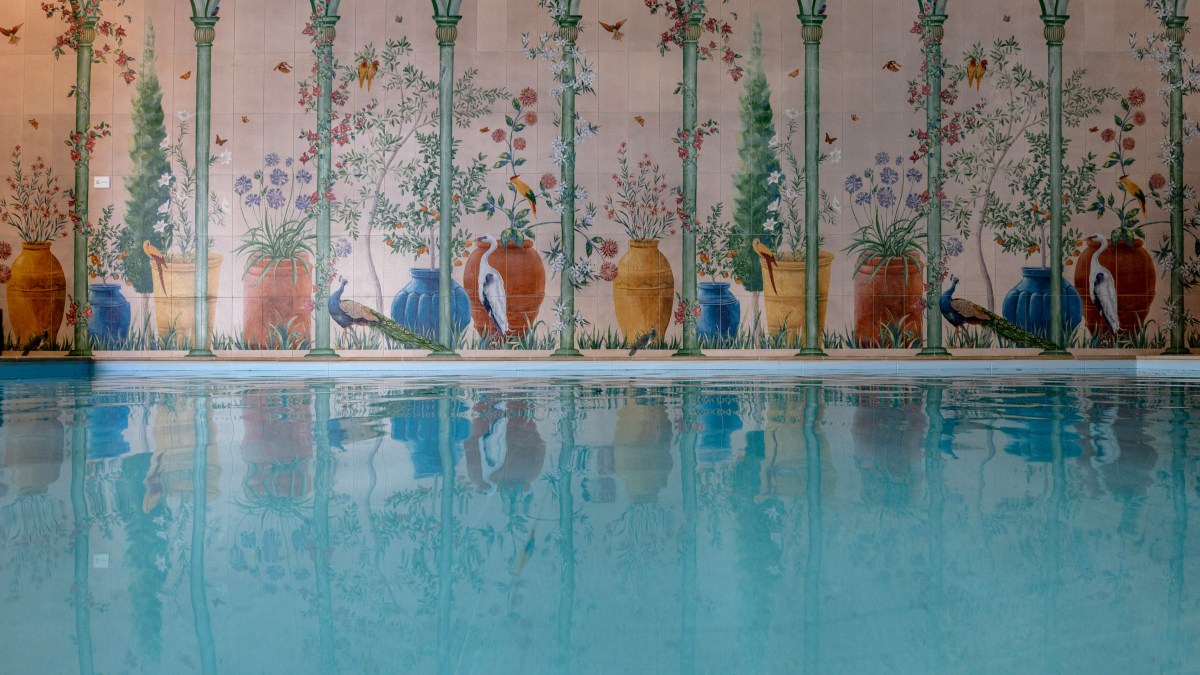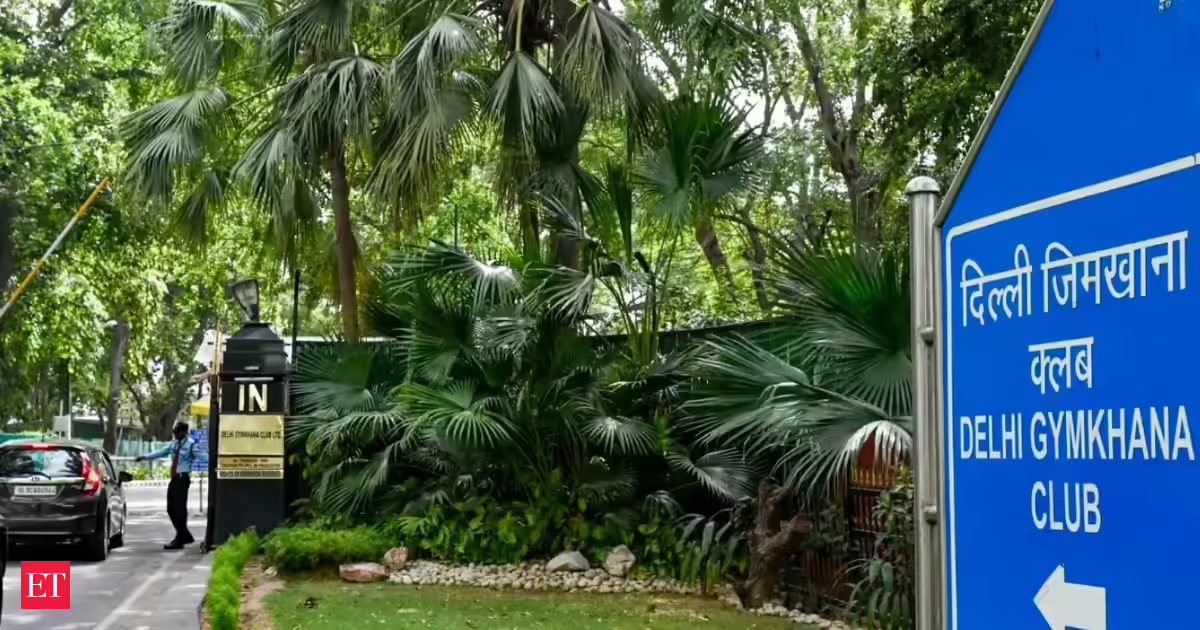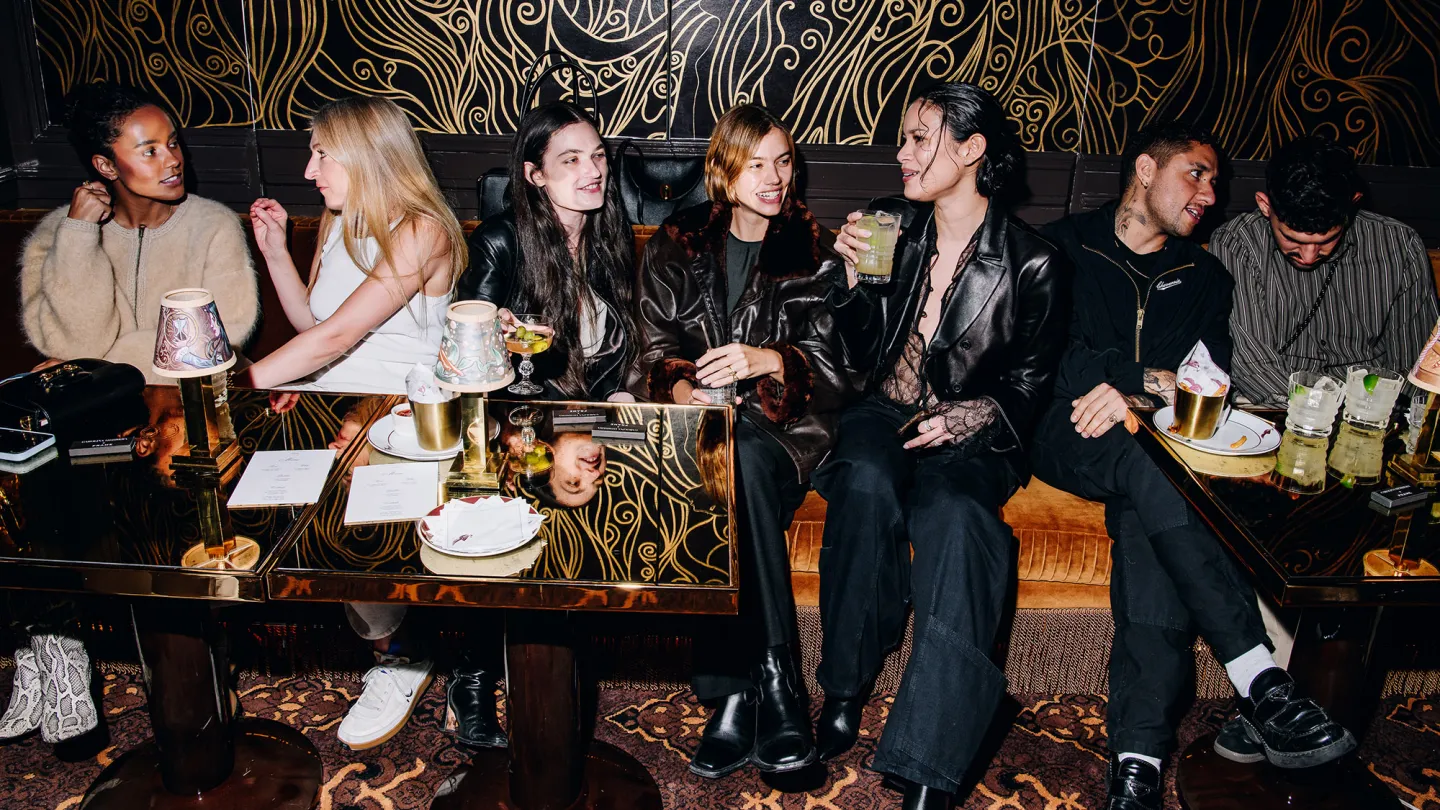
New Yorkers didn’t invent the members club. They just decided they couldn’t live without one — or 20.
Long before the current wave, the city already had its own closed circuit. Members clubs have shaped New York social life for more than a century, many of them dating to the Gilded Age, built to impress before skyscrapers closed in around them. Some of those original institutions still stand, occupying prime real estate near Central Park. The Union Club, the University Club, the Colony Club, The Century Association, the Knickerbocker Club, Doubles, the Racquet & Tennis Club, and the Metropolitan Club — whose first president was J. P. Morgan — all had applications and dues, but admission moved slowly. You needed sponsors. You waited. It could take years. They had dining rooms, but that wasn’t the draw. They functioned more like urban country clubs. And for a long time, that held.
Then came Soho House in 2003, the British import’s first North American location landing in the Meatpacking District. It kept the membership model but changed the pace. You could apply, get approved and be inside within months, sometimes weeks. It was selective but social. Sex and the City made it visible; the rooftop pool made it desirable. For years, nothing came close. Ludlow House followed in 2016, with Dumbo House opening in 2018.