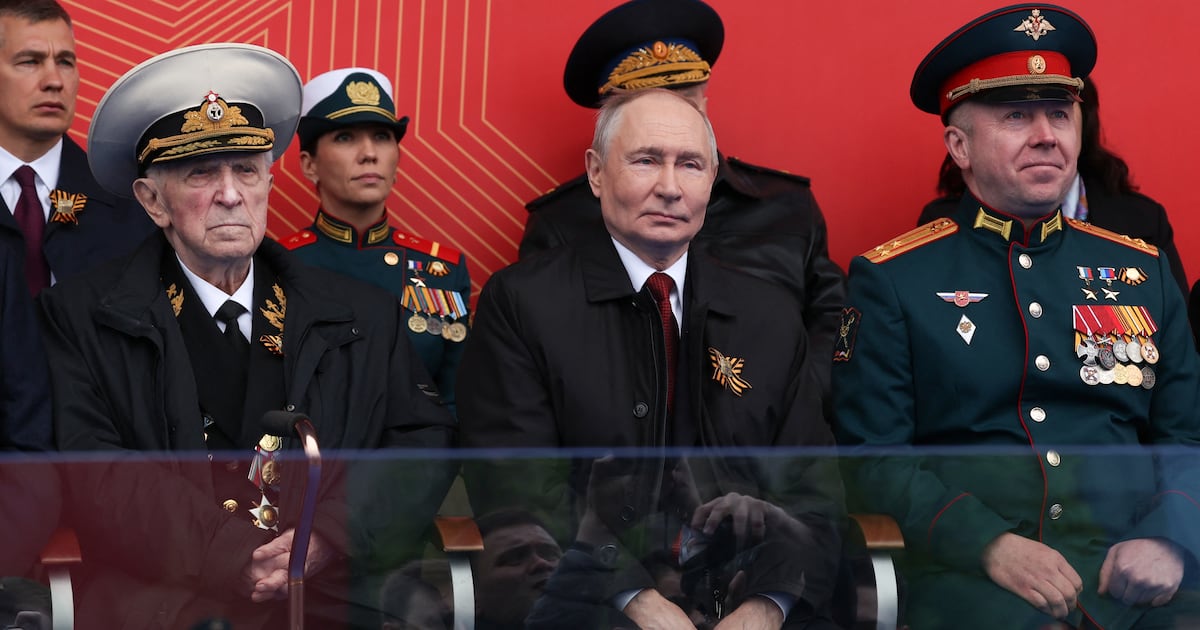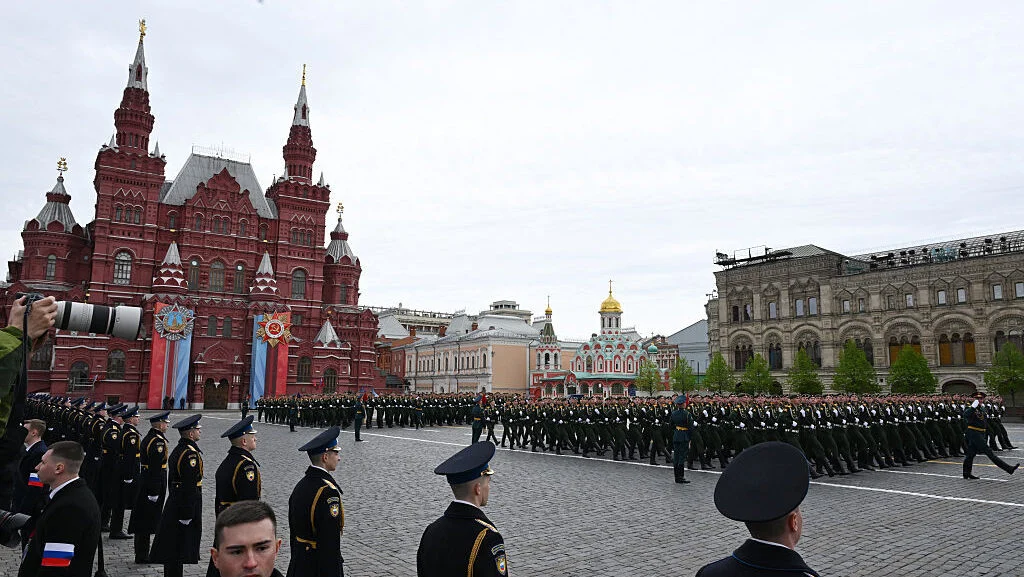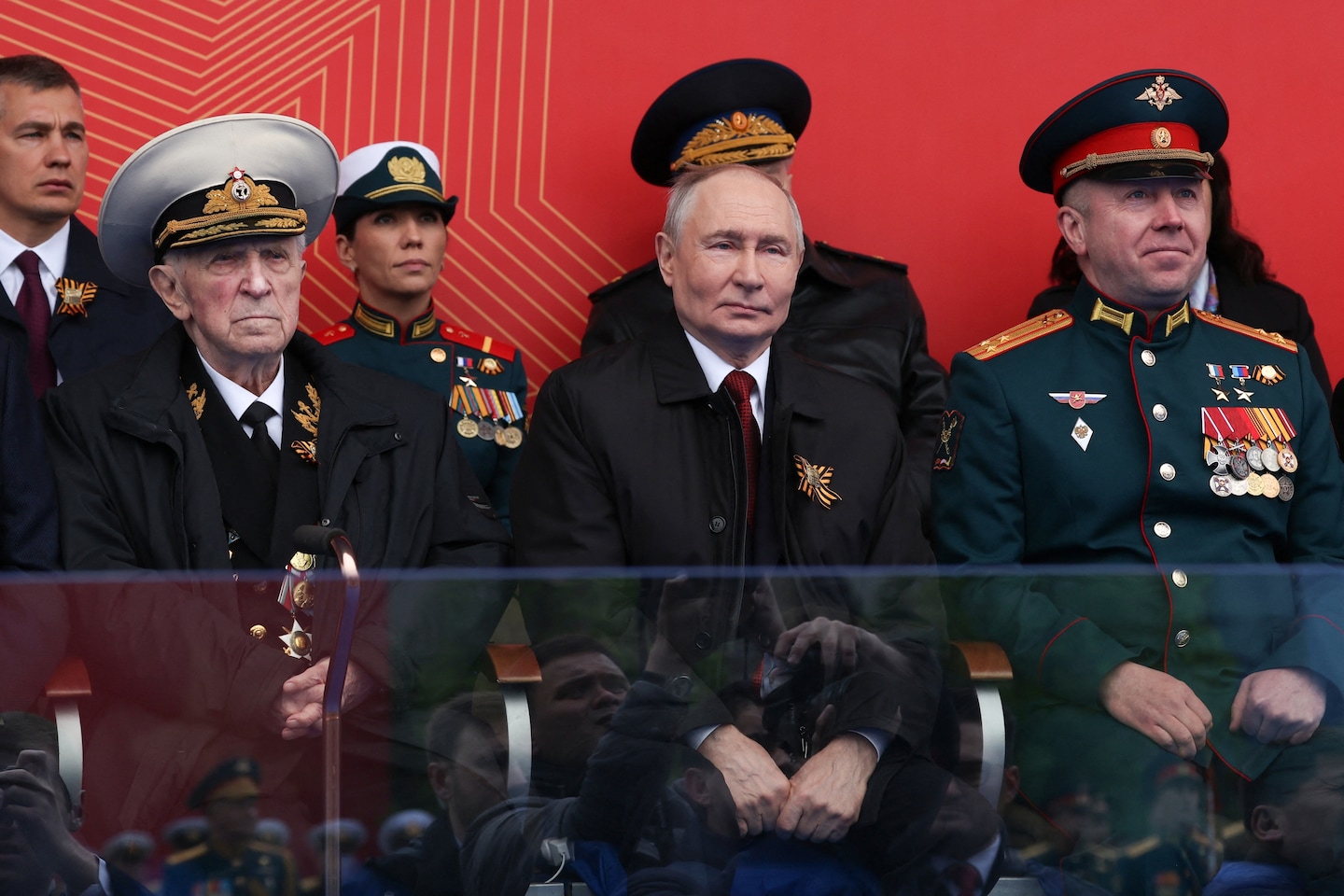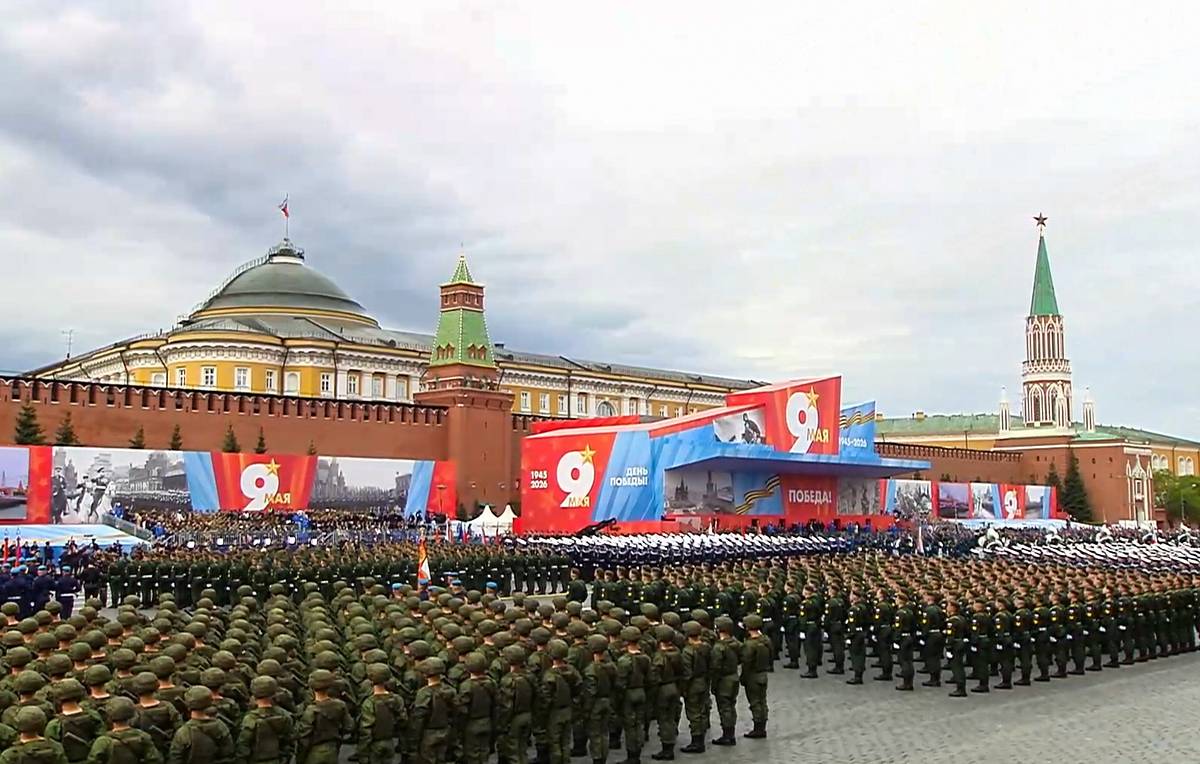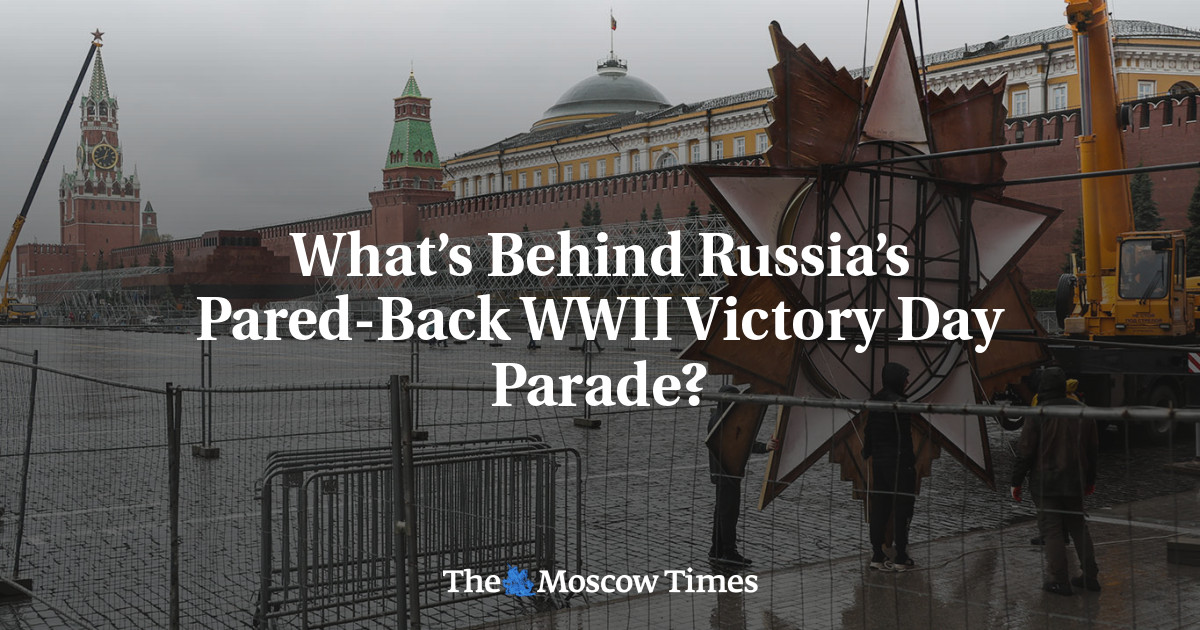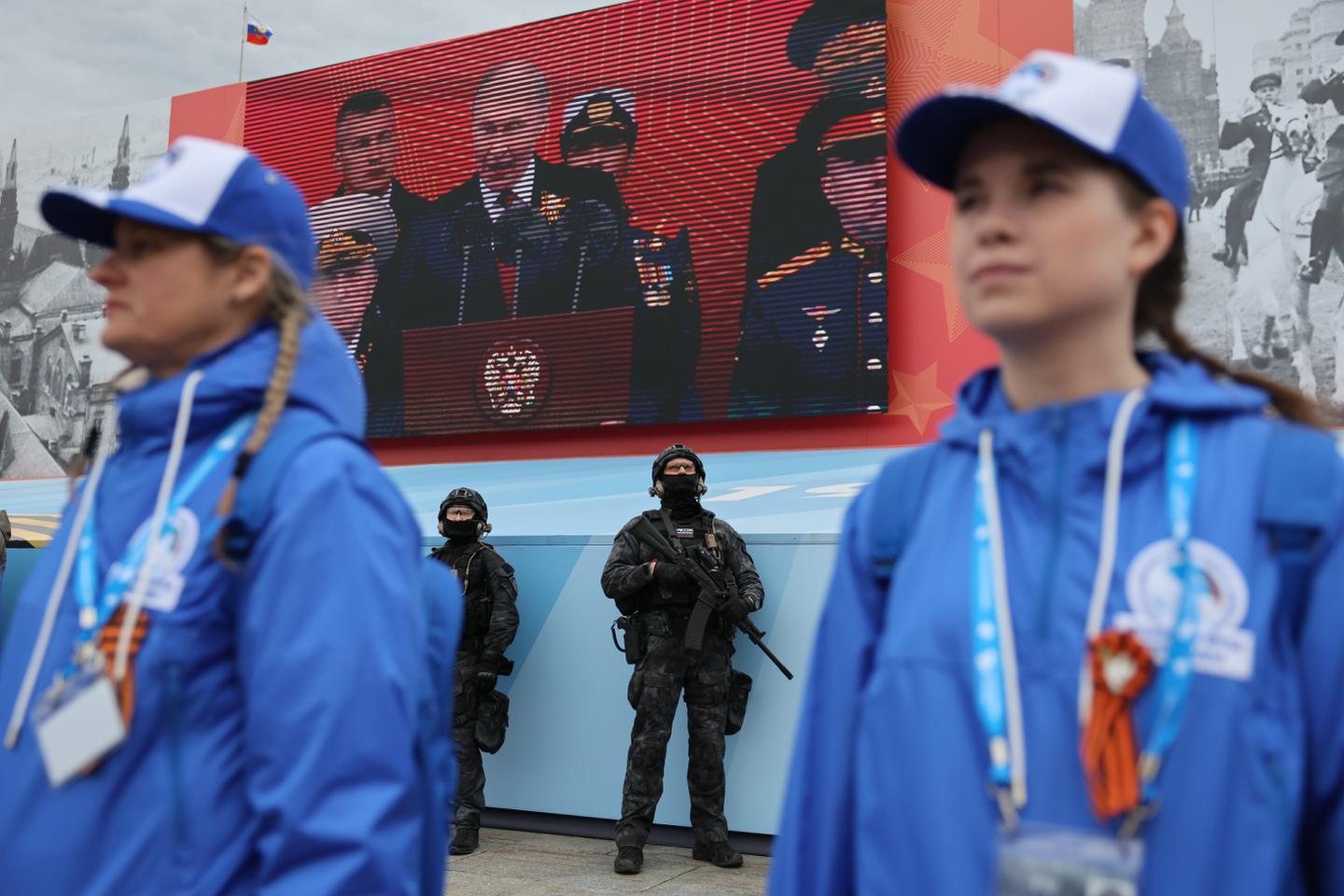
American soldiers march through Red Square. The U.S. never had much of a parade tradition, so it’s more of a stroll. British troops fare much better, bearskin hats over their eyes and brass buttons flaring in the sun. The announcer's ecstatic voice booms over the square as it introduces a special guest: green and white-clad Turkmen Pygy Bayramdurdiyev riding a pale horse, “a direct descendant of the steed Marshal Zhukov rode at the 1945 Victory Parade!”
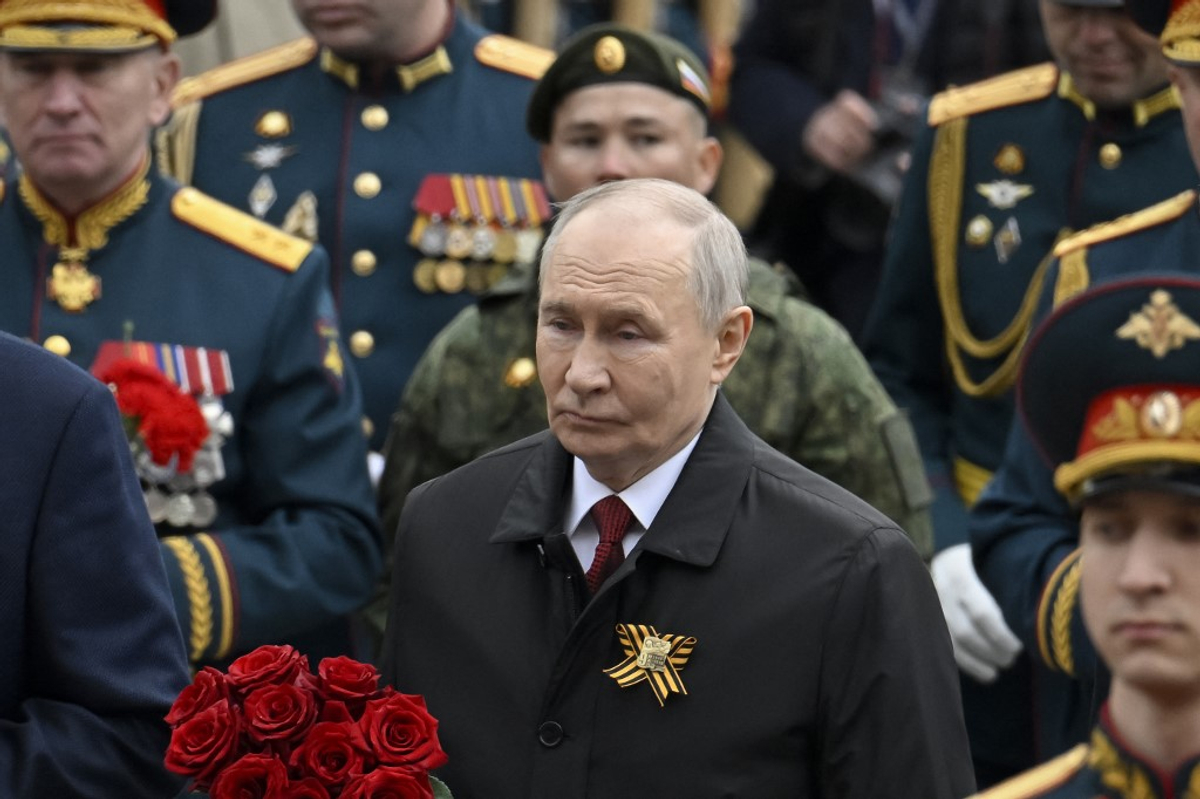
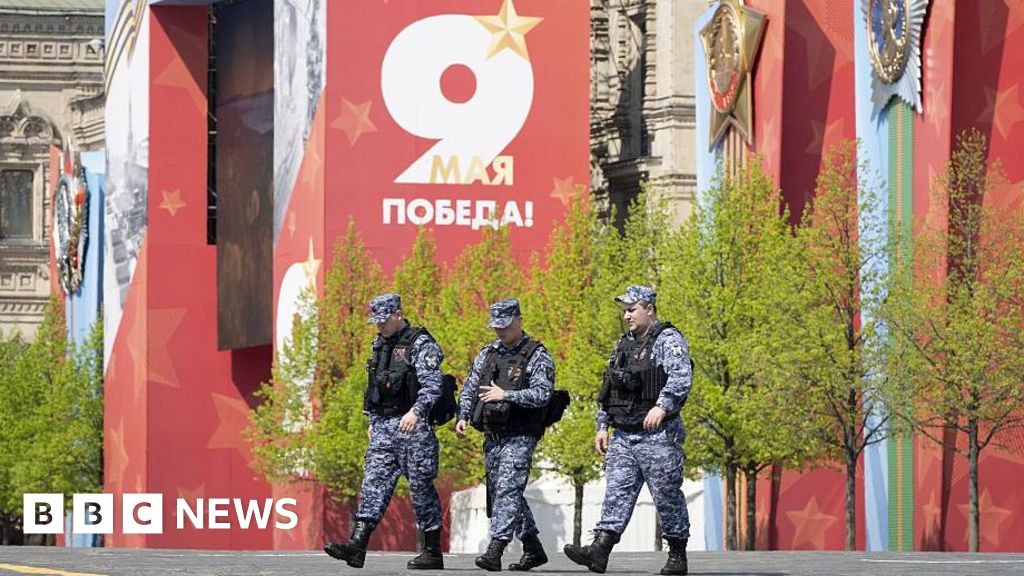
This is no fever dream. This is Russia’s Victory Parade on May 9, 2010.
As a kid, I looked forward to May 9 whenever I was in Russia. School would be out and all TV channels were filled with the aforementioned parade bonanza and feel-good shoot-‘em-ups where dashing Soviet soldiers quipped their way through World War II. Moscow turned into a kind of a festival of missile-shaped balloons, fireworks and street musicians playing martial music. Families would flaneur in Gorky Park: dad wearing a Zhukov tee, mom sporting tank-shaped slippers, children dressed in miniature uniforms emblazoned with red stars.
As a teenage boy, I equally enjoyed the airshow, parades and fireworks of July 4 in Washington. I just wished it had more tanks. It was also missing another, more paradoxical, ritual. What makes a great celebration — May 9 is not a memorial day but a celebration, a kind of a militaristic Purim — is that the fun and frippery must be based around something meaningful: life, death, rebirth.