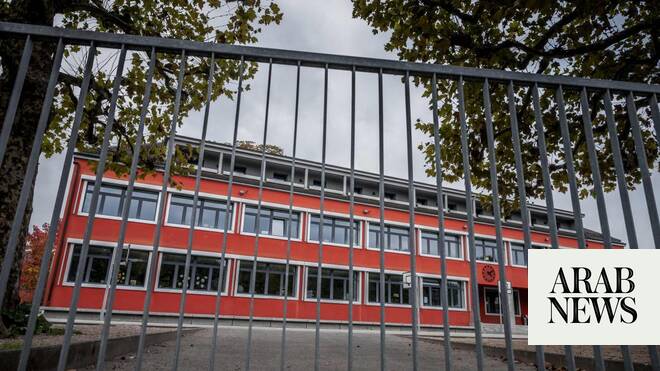
The bankruptcy of Le Sallеy, a small school for fewer than 100 pupils based out of a French chateau but managed from Massachusetts, went viral on the Russian internet. As some rightly noted, the scale of the reaction was completely out of proportion, even by the standards of discourse both in Russia and the diaspora.
Former employees accused the school of financial mismanagement. But the news reopens the question of whether schools for Russian emigrants, even those like Le Salley that try to prepare them to transition to other systems, should exist at all. Should these children be sent to ordinary Spanish, German or American neighborhood schools and spared their parents’ nostalgia for distant Russian birch trees?
Is the existence of Russian schools outside Russia appropriate? Especially given that over the past few years we are supposedly an inately imperialist nation who bare collective responsibility for the Kremlin’s actions, and should all go home anyway.
Wherever you are, there are three main reasons why parents might choose to send their child to a school other than one assigned by the local authority.
The first reason is whether a child is capable of coping in a particular school. A psychologist might recommed that a child who struggles with anxiety or adjusting to the social demands of an institution goes somewhere with more specialist provision.