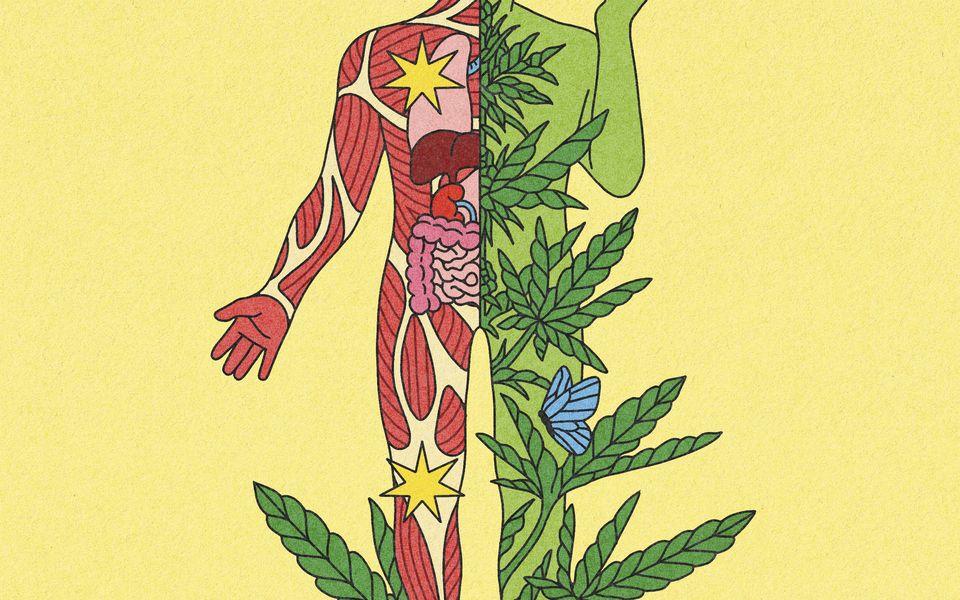
President Donald Trump recently loosened restrictions on medical marijuana, which millions of Americans are already using to treat chronic pain and other conditions.
Medical experts say they’re hopeful the move will foster more research on the drug, which could reveal new therapeutic applications for cannabis and its compounds, such as cannabidiol, or CBD. But at the same time, they said, it may reinforce misconceptions about the safety and utility of the drug. Here’s what they want you to know about the drug’s risks and side effects, what it might help treat and where the research is lacking.
There are only a few science-backed uses.
The Food and Drug Administration has approved a handful of drugs that contain cannabis, cannabis components or similar synthetic products, which are prescribed to treat chemotherapy-induced nausea, a wasting syndrome related to AIDS and a type of seizure.
Beyond those, experts say, perhaps the strongest evidence so far is on the use of cannabis for pain relief. About 53% of people who say they use cannabis for health reasons say they do so to relieve pain, and most states allow medical marijuana use for that reason.